




‘One of the 20th century’s most influential artists’
Photographer William Klein dies at 96
Text size
Photographer William Klein dies at 96

Photographer William Klein prepares to take a photograph of the poster advertising an exhibition of his work at The Maison Européenne de la Photographie (European Photography Centre) in Paris. (Photo by Lamy | AFP)
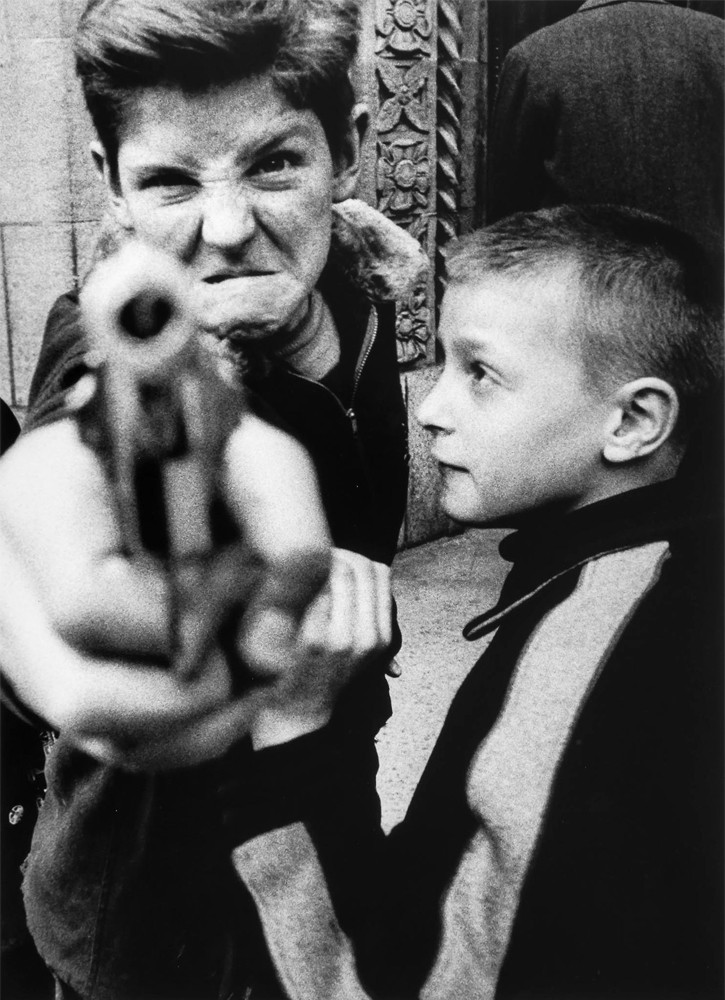
Gun 1, New York (1955). | Photo by William Klein
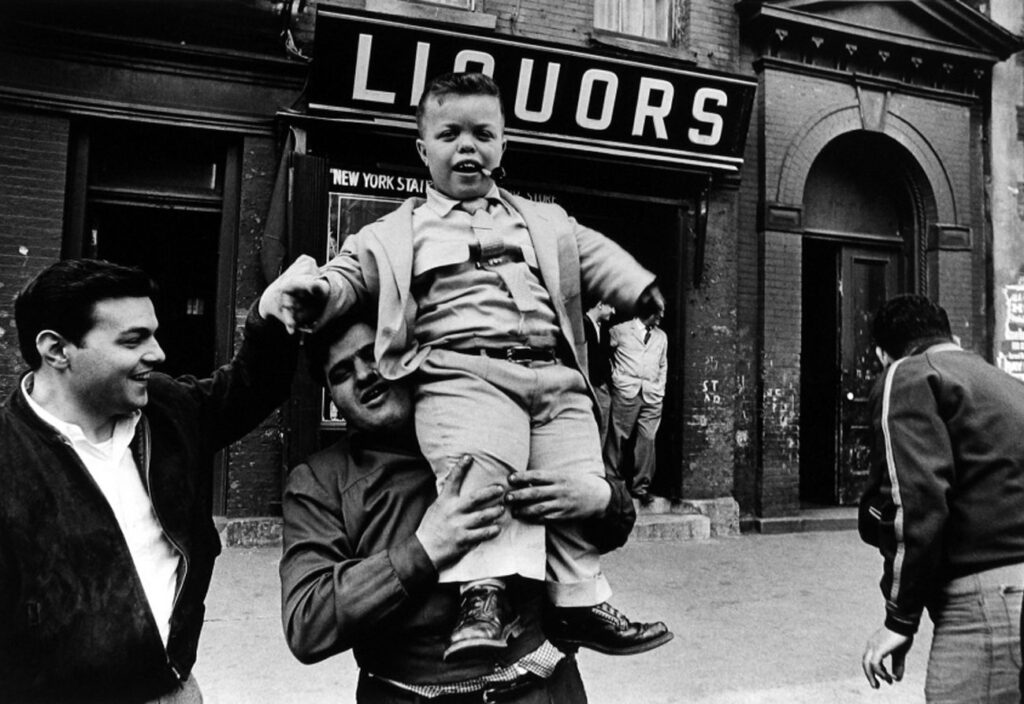
Dwarf and Liquors (1955). | Photo by William Klein
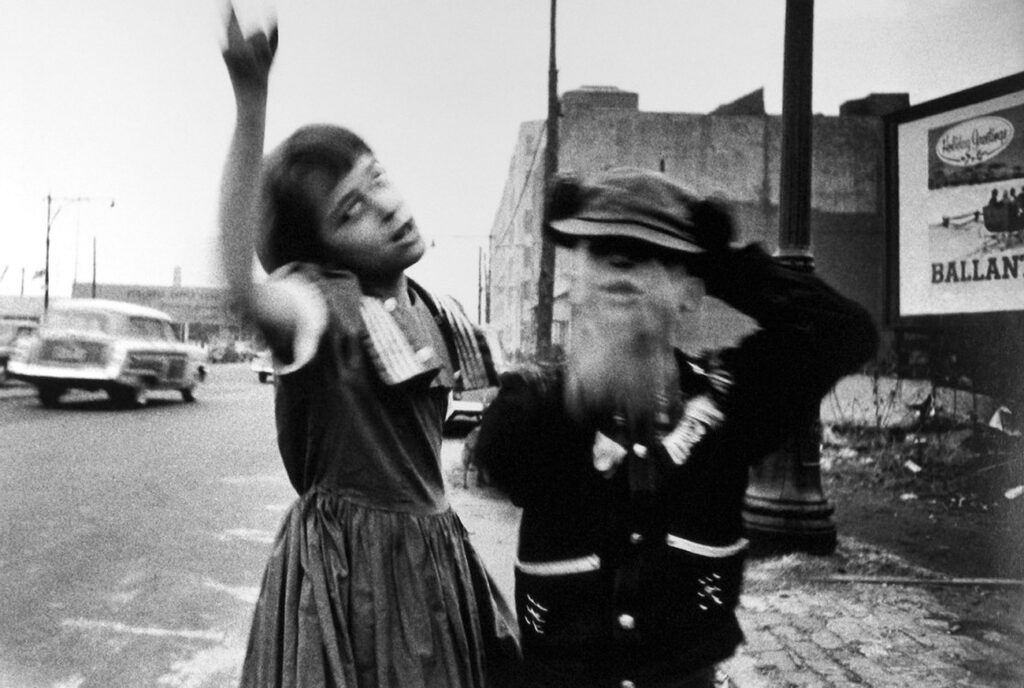
Dance in Brooklyn, New York (1954). | Photo by William Klein
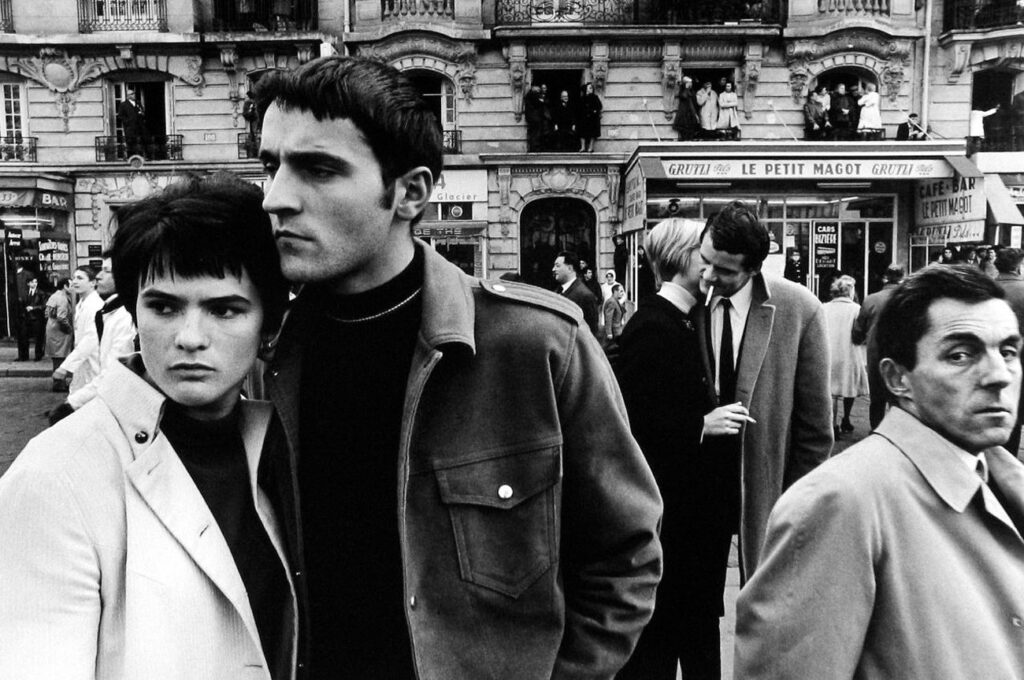
Armistice Day, Paris (1968). | Photo by William Klein
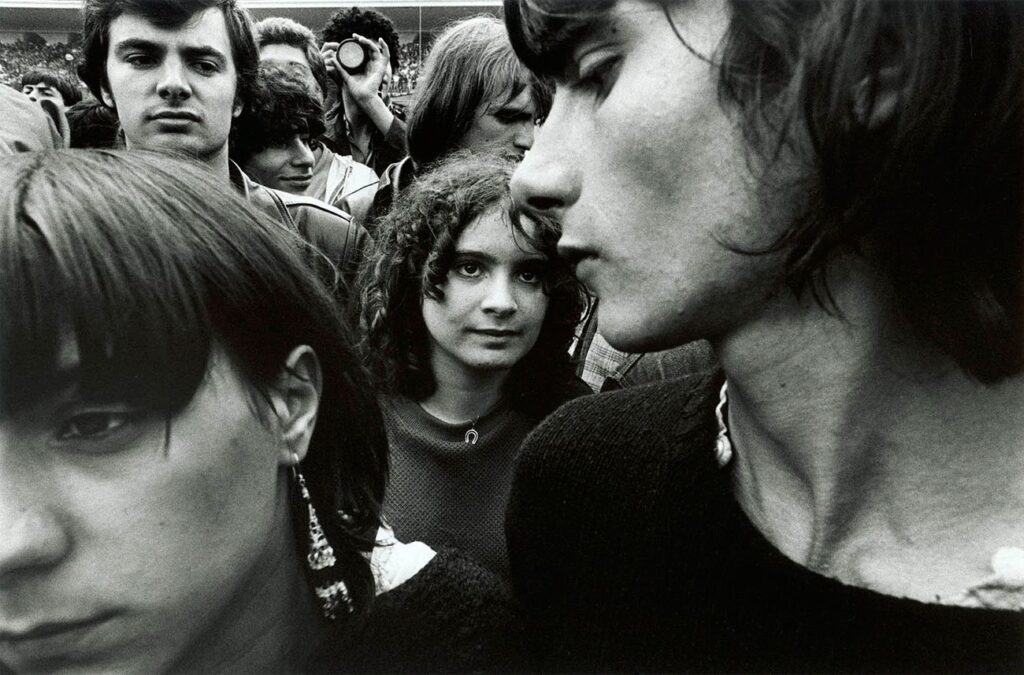
Concert des Rolling Stones, Longchamp, Paris (1982). | Photo by William Klein
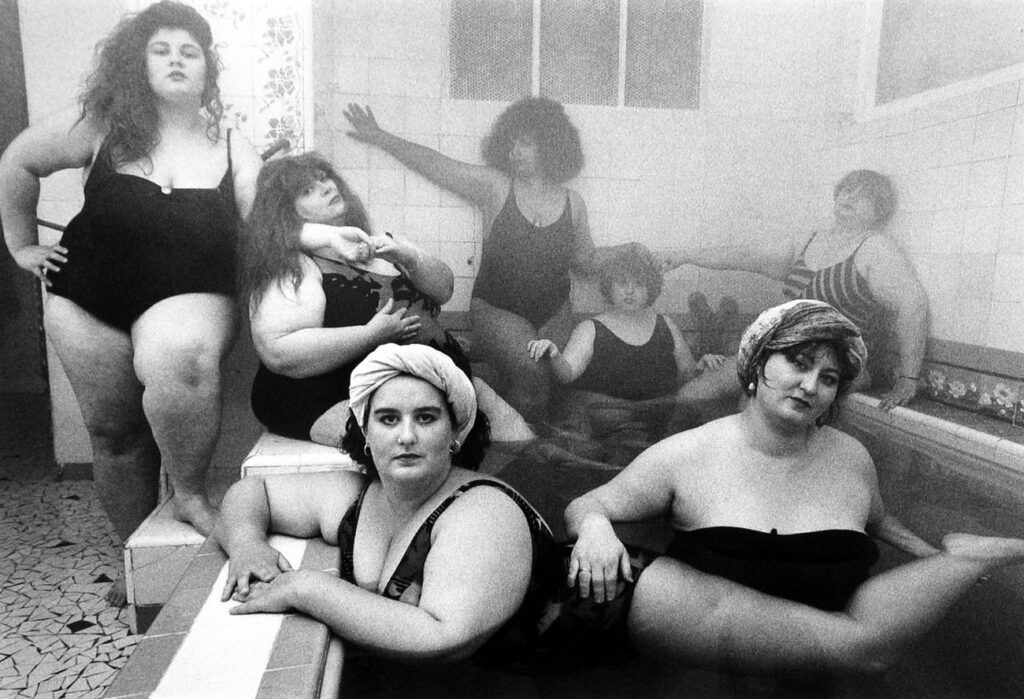
Club Allegro Fortissimo, Paris (1990). | Photo by William Klein
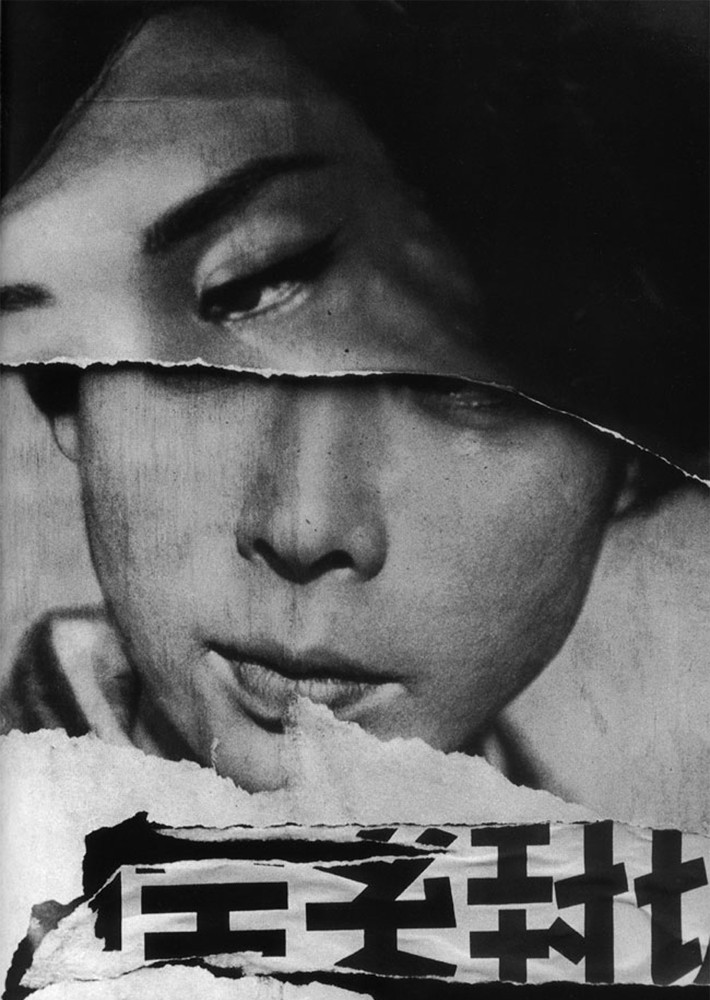
Cineposter, Tokyo (1961). | Photo by William Klein

"1961 Moscow. May-day Red Square. Facing me, Lenin, Marx, Engels and a traditional parade. In the foreground, several comrades from the KGB." – Klein (Photo by William Klein)
American photographer William Klein, who made his mark with imagery of fashion and urban life, died in Paris on 10 September at age 96, his son Pierre Klein said in a statement on 12 September.
Klein, whose striking depictions of the restlessness and violence of city life helped revolutionize photography, died "peacefully," the statement said.
Celebrated as one of the 20th century's most influential artists, Klein also worked in film and fashion.
His death comes as a retrospective of his work draws to a close at New York's International Center of Photography.
"According to his wishes, the funeral will be a very intimate event," Pierre Klein said, although he added there will be a later public memorial for his father.
Three decades after the Marcopper mining disaster devastated Marinduque’s waterways, the province is again pressing the…
Housing is probably the biggest issue affecting people the world over.
Malacañang on Monday called for a more thorough investigation into the questioned flood control projects in Taguig…
The defense on Monday backed the move by senator-judges to exclude a prosecution witness who testified on the firearms…
Klein's imagery was inspired by tabloid sensationalism, overturning established styles in street and fashion photography — including as one of the first to depict models outside studio backdrops.
His mostly black-and-white work plays with off-center subjects and boosted contrast, with young men brandishing weapons at point-blank range or scowling faces seen in close-up, sometimes out of focus.
"William Klein took pictures like a boxer," said Alain Genestar, director of the specialist magazine Polka and its associated gallery.
The International Center of Photography in New York said Klein "was a visionary in all ways, disregarding the social and artistic attitudes of his time to cut a unique path."
"Innovative and uncompromising, he opened countless doors for subsequent imagemakers around the world," it added.
Camera won at poker
Born into a New York family of ultra-Orthodox Jews in 1926, William Klein grew to love Europe during his military service.
He became a painter after World War II, studying under French artist Fernand Leger, and also had dreams of becoming an architect.
But Klein was inspired by photography after winning his first camera in a poker game, beginning immediately to shoot Paris monuments with the German-made Rolleiflex.
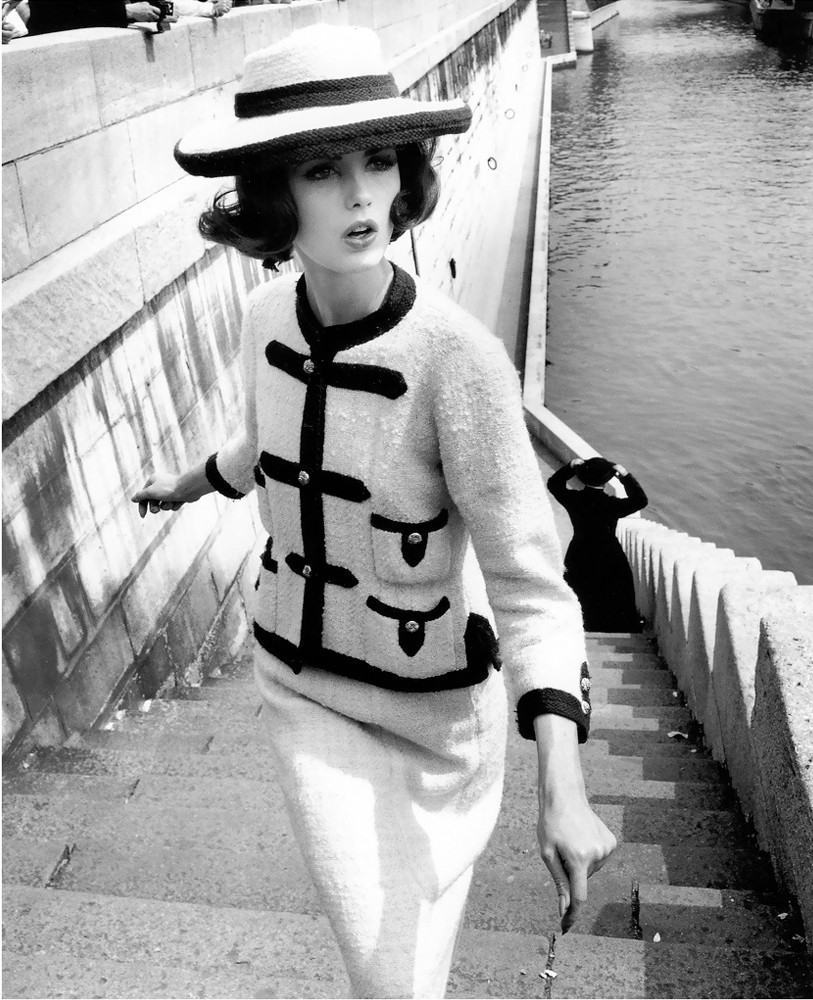
Some of his early almost abstract pictures caught the eye of Vogue artistic director Alexander Liberman, who hired Klein when the photographer was just 26.
"Life is good and good for you in New York," a book of photos from this return to his native city, was released in France in 1956 but long snubbed by US publishers, who disliked his eye for the grimy side of Manhattan life.
"My motto? 'Anything goes'. No rules, no restrictions, no limits," he later said of the work.
The book was spotted by legendary Italian filmmaker Federico Fellini, who offered Klein a job as an assistant director on the movie "Nights of Cabiria."
Political turn
Klein himself made a film about Rome, going on to a long career in cinema — including the fashion industry satire "Who Are You, Polly Maggoo?" in 1966.
He also directed hundreds of ads for French brands including carmakers Citroen and Renault.
Klein's documentaries would take a political turn, as in the pro-North Vietnamese "Far from Vietnam" released in 1967 and "Muhammad Ali the greatest" in 1974.
"This black boxer who had converted to Islam had a real political side," said Klein, who developed a keen interest in Black American struggles.
As the Ali film was underway, the director met Black nationalist leader Malcolm X on the plane to Miami.
"It was the only free seat, because no one wanted to be near him. We got on very well," Klein later said.
Klein returned to photography in the 1980s, releasing several books over the following decades.
He had lived in France since meeting his wife Jeanne Florin, and the couple remained together until she died in 2005.
