
Extreme heat forces fishers to cut time at sea
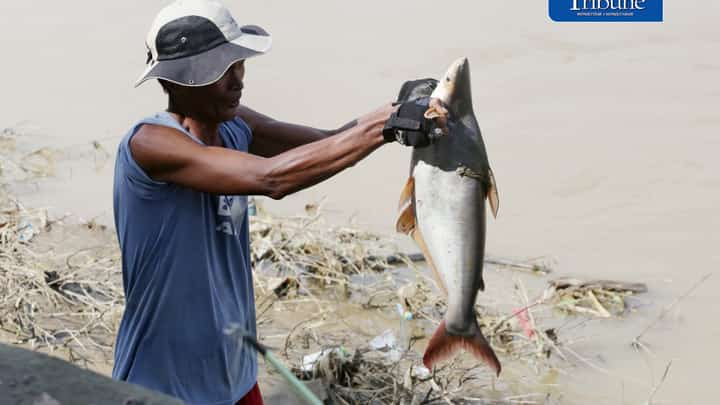
(August 20 2026) Local fishers caught large cream dory fish weighing 5 to 7 kilos at the Marikina River, on Thursday August 20 2026, following heavy rains and water levels rising, cream dory fish often catch when the water level rise due to heavy rains. Photo/Analy Labor
Filipino fisherfolk are cutting their fishing hours as extreme heat linked to the developing “Super” El Niño threatens their health and livelihoods, prompting calls for stronger government protection beyond cash assistance.
Fisherfolk groups and international ocean conservation organization Oceana urged the government to implement long-term climate adaptation measures, including alternative livelihood programs and improved fisheries management.
Fisherfolk leader Aya Gatuslao said fishers in Himamaylan, Negros Occidental, have begun heading out to sea earlier and shortening their fishing hours to avoid extreme heat.
She said some fishers have experienced skin irritation and other health problems from prolonged sun exposure.
“Nagkakabitak-bitak ang mga balat nila. Prone sila sa heat stroke. May isa akong member, nasira na ang mata dahil sa reflection ng araw sa tubig,” Gatuslao said. “Maaga silang lumalaot dahil pag past 9:00 na ng umaga, masakit na sa balat.”
El Niño is a climate phenomenon characterized by unusually warm ocean temperatures that can disrupt weather patterns.
The weather bureau earlier projected sea surface temperatures to rise by 2 to more than 3 degrees Celsius above average, with the phenomenon expected to peak between late 2026 and the first half of 2027.
Scientists have warned that prolonged ocean warming can affect fish abundance, distribution, migration and spawning patterns. Marine heat waves can also cause coral bleaching and damage critical habitats, threatening fisheries productivity and coastal livelihoods.
In Nasugbu, Batangas, Bantay Dagat leader Marlon Limboc appealed for alternative livelihood opportunities to help fishers support their families without risking prolonged exposure to extreme heat.
“Wala pang El Niño, ilan na ang mga namamatay nating mga mangingisda dahil sa heat stroke. Sa laot, minsan nakikita naman natin nakasakay sa bangka, patay na. Lalo ngayon,” said Limboc. “Masakit na para sa ating mga mangingisda, hindi na po talaga sila dapat mag-attempt lumaot.”
Limboc said alternative sources of income would allow fisherfolk to reduce their time at sea while continuing to provide for their families.
Oceana Vice President Von Hernandez called on the government to move beyond temporary cash assistance and invest in sustainable measures to protect fishing communities.
“The impacts are already being experienced in our coastal communities, yet the government remains fixated on cash handouts and band-aid fixes over longer-term adaptation measures,’’ Hernandez said.
“Instead of allowing losses to unfold with every disaster, the DA-BFAR should redouble its efforts and investments in diversifying fisherfolk livelihoods, restoring marine habitats, and implementing measures that protect both our oceans and the economic future of our fisherfolk.”
Hernandez also expressed support for fisheries management programs that would reduce prolonged fishing hours while allowing spawning grounds to recover and become more resilient to climate change.
Oceana cited Daram, Samar, where local communities have developed alternative livelihood programs involving mussel and crab production and salt farming.
The initiatives provide fishers with additional income while allowing traditional fishing grounds time to recover.
The group urged the government to strengthen social protection, diversify coastal livelihoods and invest in marine habitat restoration to help fishing communities withstand the effects of rising ocean temperatures.