
Skip to content
Photos

Dark Clouds

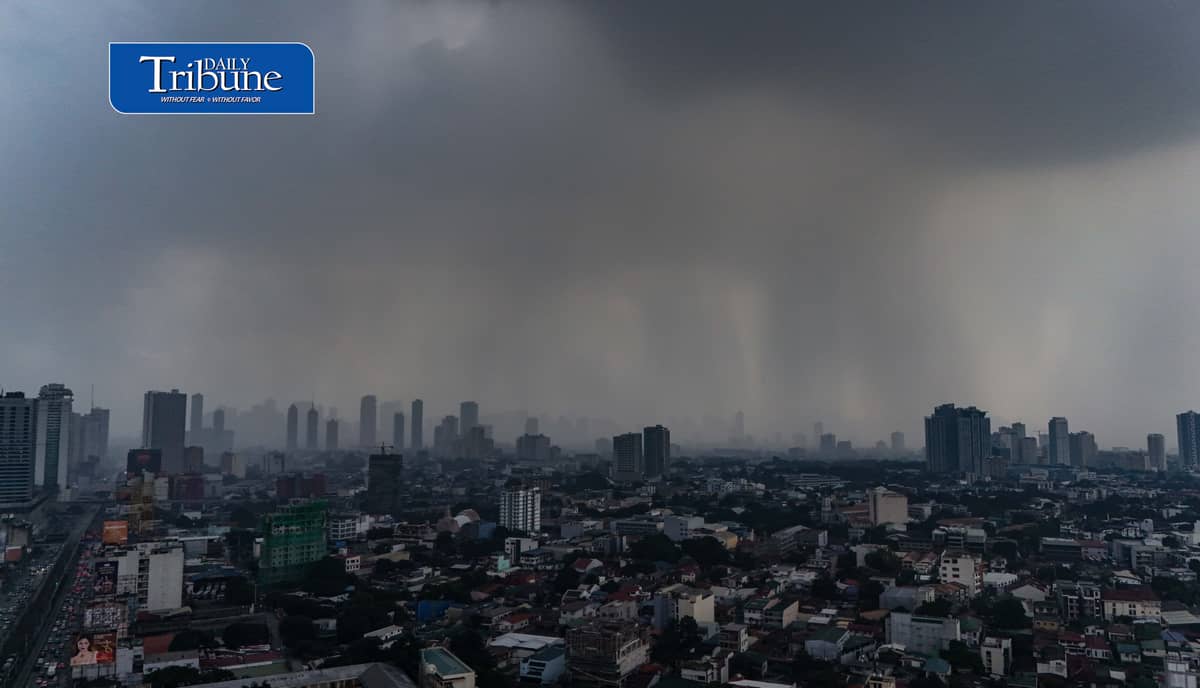
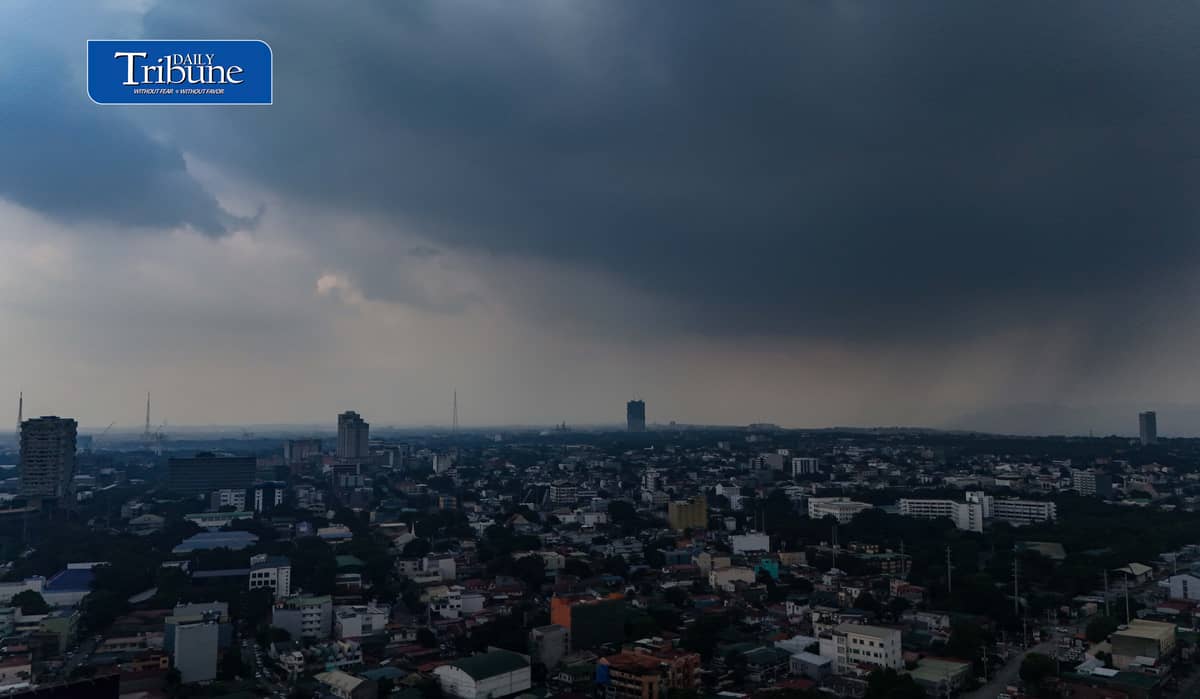
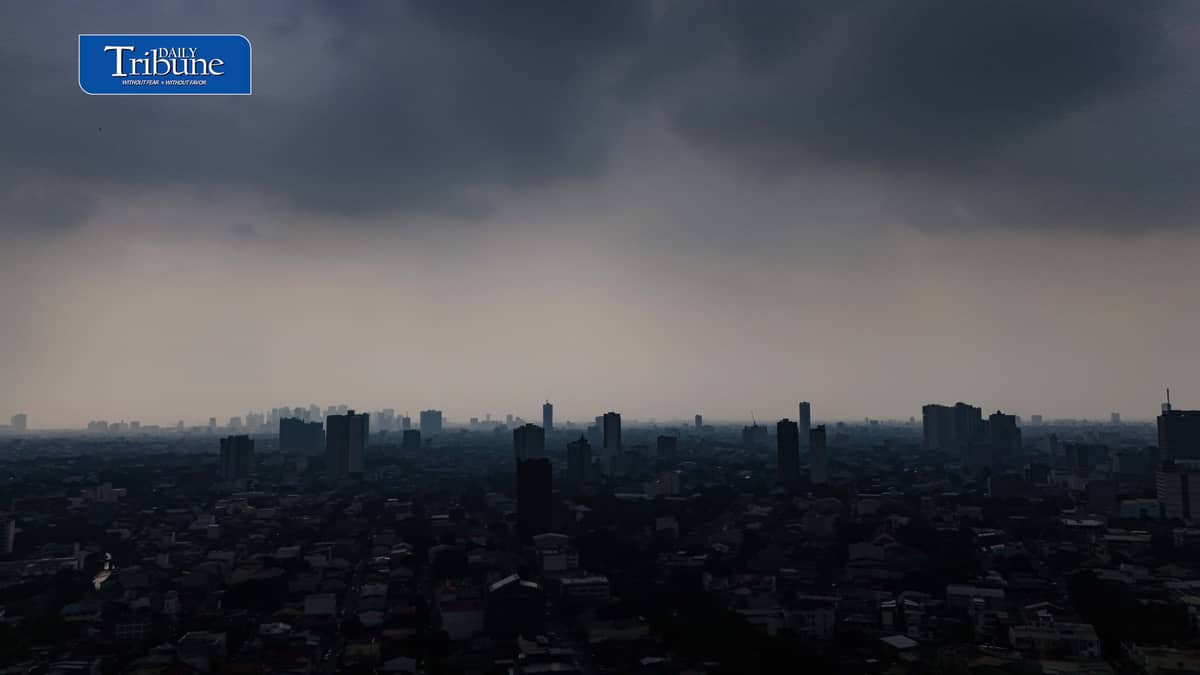
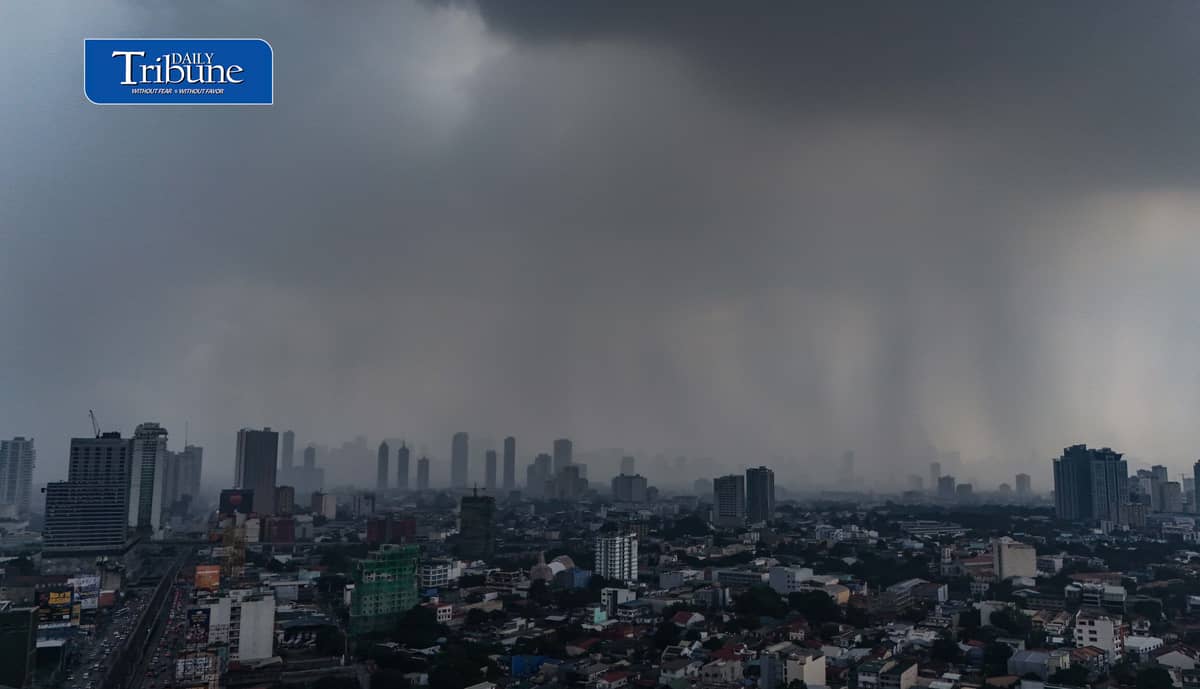
(September 30 2026) Dark clouds bringing heavy rain were seen from Quezon City on Wednesday, September 30, 2026. According to Pagasa three to six more tropical cyclones are expected to enter the Philippine Area of ​​Responsibility (PAR) from October to December. While a “very strong” El Niño is starting and may continue until the first half of 2027. Photo/Analy Labor
(September 30 2026) Dark clouds bringing heavy rain were seen from Quezon City on Wednesday, September 30, 2026. According to Pagasa three to six more tropical cyclones are expected to enter the Philippine Area of ​​Responsibility (PAR) from October to December. While a “very strong” El Niño is starting and may continue until the first half of 2027. Photo/Analy Labor
Text size
(September 30 2026) Dark clouds bringing heavy rain were seen from Quezon City on Wednesday, September 30, 2026. According to Pagasa three to six more tropical cyclones are expected to enter the Philippine Area of ​​Responsibility (PAR) from October to December. While a “very strong” El Niño is starting and may continue until the first half of 2027. Photo/Analy Labor
(September 30 2026) Dark clouds bringing heavy rain were seen from Quezon City on Wednesday, September 30, 2026. According to Pagasa three to six more tropical cyclones are expected to enter the Philippine Area of ​​Responsibility (PAR) from October to December. While a “very strong” El Niño is starting and may continue until the first half of 2027. Photo/Analy Labor
(September 30 2026) Dark clouds bringing heavy rain were seen from Quezon City on Wednesday, September 30, 2026. According to Pagasa three to six more tropical cyclones are expected to enter the Philippine Area of ​​Responsibility (PAR) from October to December. While a “very strong” El Niño is starting and may continue until the first half of 2027. Photo/Analy Labor
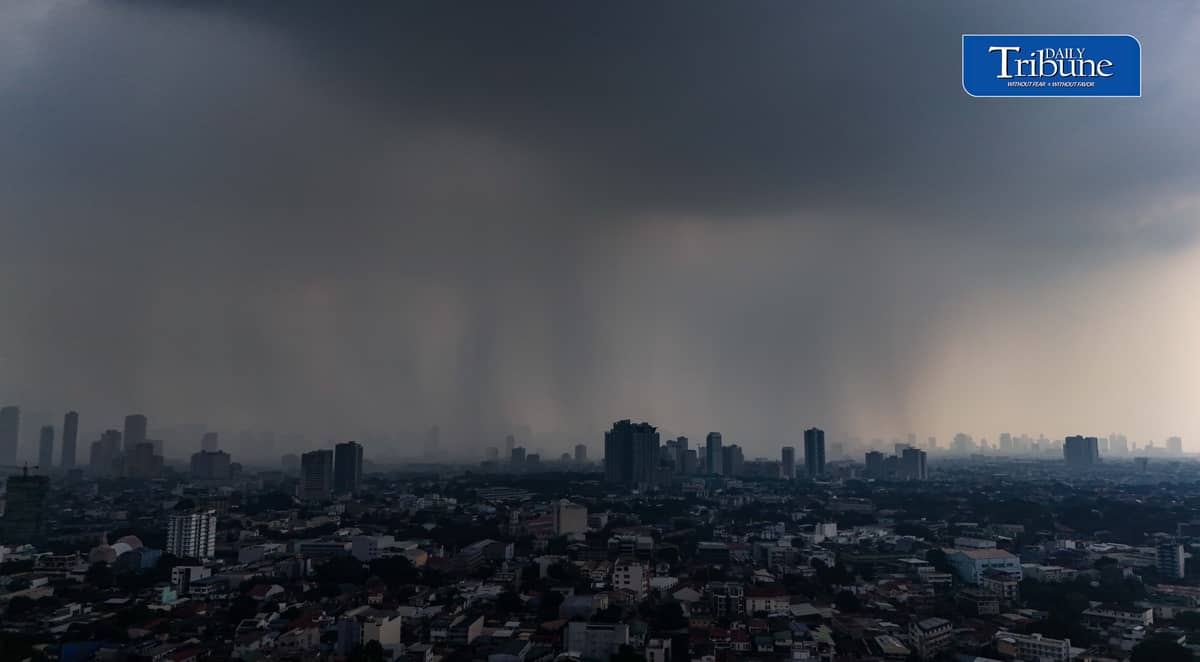
(September 30 2026) Dark clouds bringing heavy rain were seen from Quezon City on Wednesday, September 30, 2026. According to Pagasa three to six more tropical cyclones are expected to enter the Philippine Area of ​​Responsibility (PAR) from October to December. While a “very strong” El Niño is starting and may continue until the first half of 2027. Photo/Analy Labor
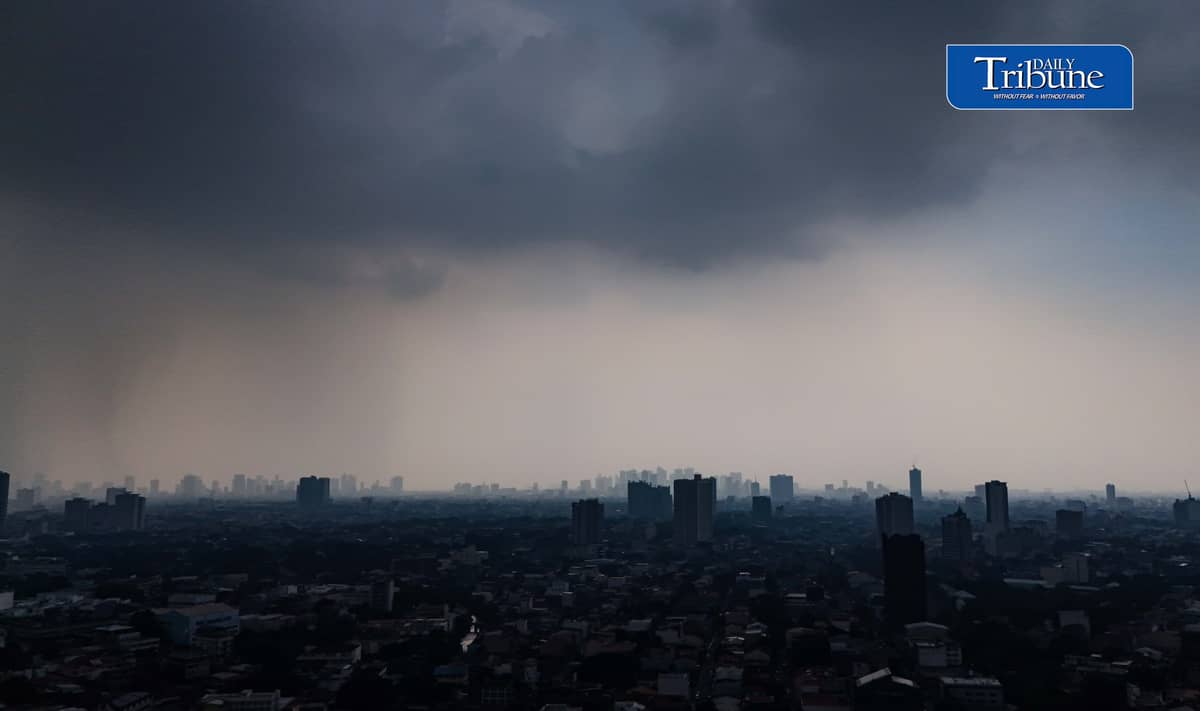
(September 30 2026) Dark clouds bringing heavy rain were seen from Quezon City on Wednesday, September 30, 2026. According to Pagasa three to six more tropical cyclones are expected to enter the Philippine Area of ​​Responsibility (PAR) from October to December. While a “very strong” El Niño is starting and may continue until the first half of 2027. Photo/Analy Labor
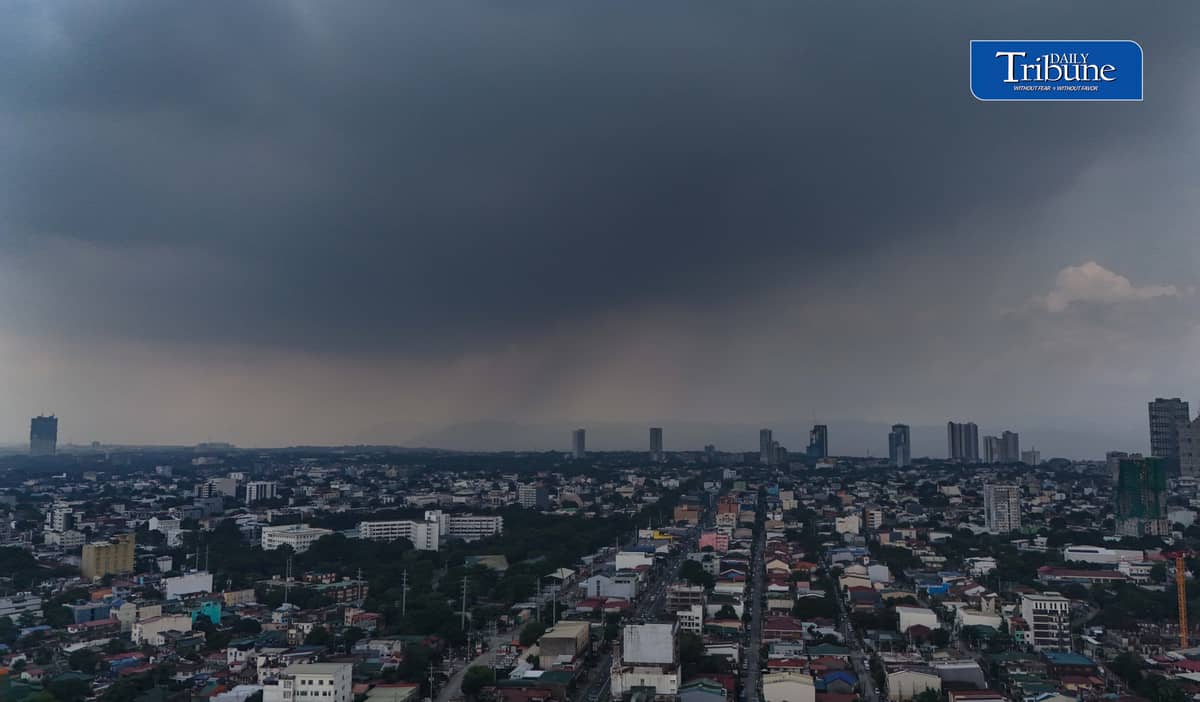
(September 30 2026) Dark clouds bringing heavy rain were seen from Quezon City on Wednesday, September 30, 2026. According to Pagasa three to six more tropical cyclones are expected to enter the Philippine Area of ​​Responsibility (PAR) from October to December. While a “very strong” El Niño is starting and may continue until the first half of 2027. Photo/Analy Labor

(September 30 2026) Dark clouds bringing heavy rain were seen from Quezon City on Wednesday, September 30, 2026. According to Pagasa three to six more tropical cyclones are expected to enter the Philippine Area of ​​Responsibility (PAR) from October to December. While a “very strong” El Niño is starting and may continue until the first half of 2027. Photo/Analy Labor

(September 30 2026) Dark clouds bringing heavy rain were seen from Quezon City on Wednesday, September 30, 2026. According to Pagasa three to six more tropical cyclones are expected to enter the Philippine Area of ​​Responsibility (PAR) from October to December. While a “very strong” El Niño is starting and may continue until the first half of 2027. Photo/Analy Labor

(September 30 2026) Dark clouds bringing heavy rain were seen from Quezon City on Wednesday, September 30, 2026. According to Pagasa three to six more tropical cyclones are expected to enter the Philippine Area of ​​Responsibility (PAR) from October to December. While a “very strong” El Niño is starting and may continue until the first half of 2027. Photo/Analy Labor

(September 30 2026) Dark clouds bringing heavy rain were seen from Quezon City on Wednesday, September 30, 2026. According to Pagasa three to six more tropical cyclones are expected to enter the Philippine Area of ​​Responsibility (PAR) from October to December. While a “very strong” El Niño is starting and may continue until the first half of 2027. Photo/Analy Labor

(September 30 2026) Dark clouds bringing heavy rain were seen from Quezon City on Wednesday, September 30, 2026. According to Pagasa three to six more tropical cyclones are expected to enter the Philippine Area of ​​Responsibility (PAR) from October to December. While a “very strong” El Niño is starting and may continue until the first half of 2027. Photo/Analy Labor

(September 30 2026) Dark clouds bringing heavy rain were seen from Quezon City on Wednesday, September 30, 2026. According to Pagasa three to six more tropical cyclones are expected to enter the Philippine Area of ​​Responsibility (PAR) from October to December. While a “very strong” El Niño is starting and may continue until the first half of 2027. Photo/Analy Labor

(September 30 2026) Dark clouds bringing heavy rain were seen from Quezon City on Wednesday, September 30, 2026. According to Pagasa three to six more tropical cyclones are expected to enter the Philippine Area of ​​Responsibility (PAR) from October to December. While a “very strong” El Niño is starting and may continue until the first half of 2027. Photo/Analy Labor

(September 30 2026) Dark clouds bringing heavy rain were seen from Quezon City on Wednesday, September 30, 2026. According to Pagasa three to six more tropical cyclones are expected to enter the Philippine Area of ​​Responsibility (PAR) from October to December. While a “very strong” El Niño is starting and may continue until the first half of 2027. Photo/Analy Labor