
Firms, households turn less pessimistic on economy
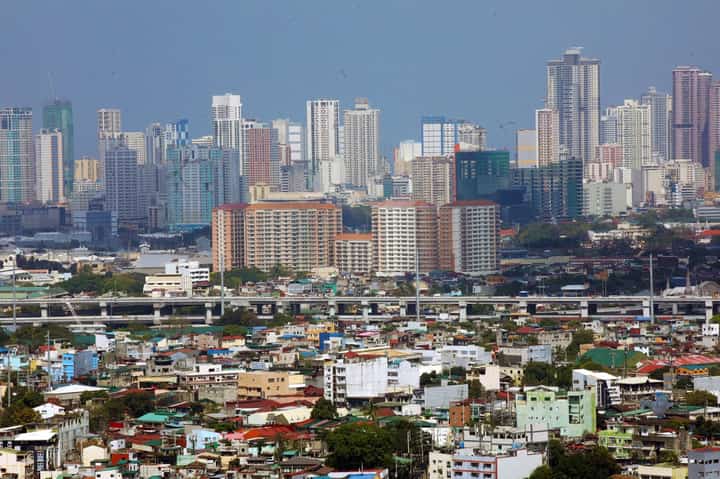
PHILIPPINE economic growth has substantially slowed since the corruption controversy involving massive flood control projects blew up last year. That, coupled with the adverse effects of the US-Iran war on the country’s dependence on expensive imported fuel has pulled down the economy to its lowest since 2009.
Philippine News Agency
Philippine businesses and consumers became less pessimistic about economic conditions, with firms turning more upbeat about the months ahead and households raising their expectations for the next year, according to the latest surveys of the Bangko Sentral ng Pilipinas (BSP).
The BSP’s monthly Business Expectations Survey (BES) showed that business sentiment improved in August, although the overall confidence index remained in negative territory.
The business Confidence Index (CI) rose to -10.9 in August from -20.3 in July. Firms also became more optimistic about the outlook three and 12 months ahead, with the corresponding CIs rising to 24.6 from 3.7 and 36.4 from 29.4, respectively.
A positive CI means more respondents were optimistic than pessimistic, while a negative reading indicates the reverse.
Firms attributed the improvement in sentiment to expectations of higher demand for essential commodities, loan products and construction activities.
Still, businesses continued to cite adverse weather conditions, elevated inflation, persistent oil price increases, cautious consumer spending on leisure and travel, and higher production and operating expenses as concerns.
For the next 12 months, firms expected stronger economic activity even as they anticipated inflation to remain above the BSP’s 4 percent tolerance ceiling.
Meanwhile, the BSP’s quarterly Consumer Expectations Survey (CES) showed that households also became less pessimistic in the third quarter, amid expectations of higher earnings, additional sources of income and more stable employment.
The consumer CI for the current quarter improved to -29.8 in the third quarter from -42.0 in the second quarter, while the next-quarter index rose to -0.8 from -16.3.
The 12-month consumer CI, meanwhile, climbed further into positive territory to 9.1 from 0.2, indicating greater optimism about future economic conditions and household finances.
The improved year-ahead outlook was accompanied by greater willingness among households to purchase big-ticket items, including real estate and motor vehicles.
At the same time, stronger saving prospects, weaker plans for day-to-day household spending and lower borrowing intentions suggested that consumers remained cautious in managing their finances.
Households continued to see inflation as a concern. Their year-ahead inflation expectations remained above the BSP’s 3 percent target for 2026 but stayed within the 4 percent tolerance ceiling. Respondents who expected inflation to accelerate cited higher food and utility prices and perceived limited measures to mitigate price pressures.