Meaningful tax relief
The Department of Budget and Management said the ProGRESS Bill seeks to provide meaningful tax relief, while strengthening the government’s revenue capacity to support essential public services and the country’s long-term development objectives.
Castro said current government revenues remain adequate to service the country’s debt, emphasizing that most government borrowings have long-term repayment periods.
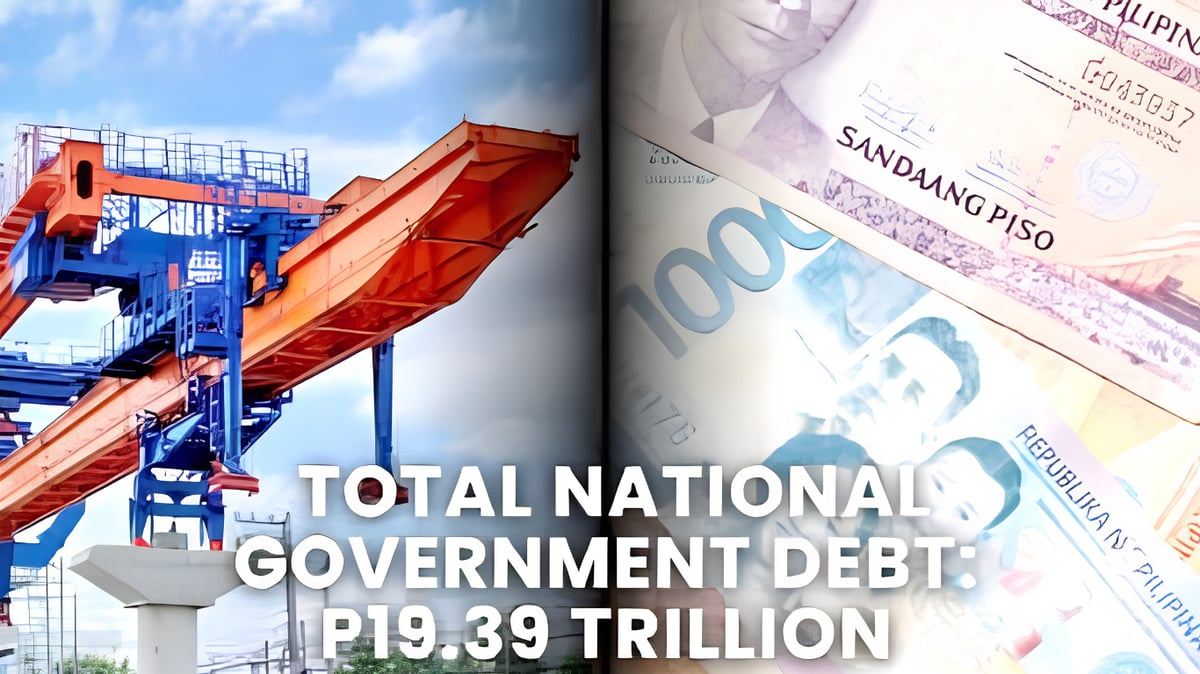
The Bureau of Treasury earlier said the Philippines’ national government outstanding debt reached a record-high P19.39 trillion as of the end of July 2026.
She said the government does not need to settle the bulk of its outstanding obligations immediately, as they are structured for repayment over longer periods, allowing it to pay both principal and interest gradually.
Castro was responding to a question on whether the proposed ProGRESS Bill is necessary to address the government’s rising debt.
“Hindi lang ito (the ProGRESS Bill). Ang lahat ng ginagawa ngayon na mga reporma sa tax ay maaaring makatulong at makapag-manage ng ating public debt,” Castro noted.
Castro said lowering income taxes for ordinary workers and small businesses could leave taxpayers with more disposable income, potentially stimulating consumption and economic activity.
“When money circulates, there is additional movement in the economy that could result in higher revenue,” she said.
Aside from the ProGRESS Bill, the government is also considering proposals to increase the excise tax on distilled spirits, raise taxes on electronic cigarettes, impose new taxes on vape devices and novel tobacco products, and increase taxes on plastic products and automobiles.
Castro said these measures are among the reforms being considered to help the government manage its existing debt, pointing out that much of the government’s outstanding debt was inherited from previous administrations.
Castro’s remarks came as the government continues to balance the need for additional revenues with efforts to sustain economic activity.
She maintained that the country’s current revenues are sufficient to meet its debt obligations despite the absence of the proposed legislation.