




Landmark brand battle settled
The Supreme Court’s First Division took a hard look and decided the paperwork slip-ups were forgivable given what was at stake.

The Supreme Court’s First Division took a hard look and decided the paperwork slip-ups were forgivable given what was at stake.
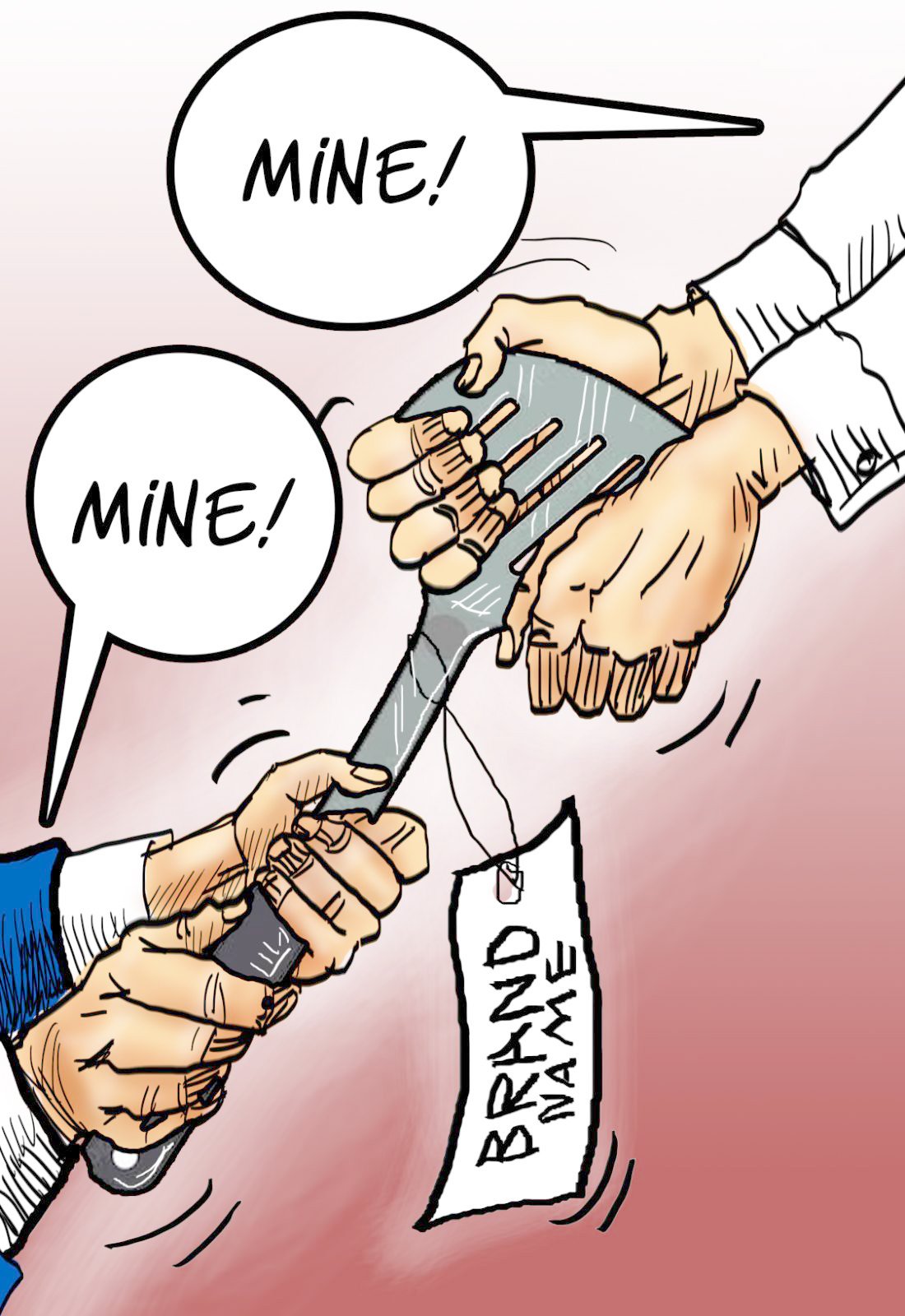
A decades-old restaurant, known among foodies, just ended a trademark fight in the Supreme Court, and the winners were not the copyright owner but the ones who’d been cooking under the name since its founding, Nosy Tarsee learned.
A humble eatery opened its doors way back in the 1930s. Decades later, the founder and his partner formed a company to run the place. It became a local institution, the kind of spot where the smell alone told you what year it was.
Then the partnership went sour. The partner tried to register the restaurant’s name. The government patent office said no, the name belonged to the company, not to her alone, since she herself had admitted as much.
The founder passed away not long after. Undeterred, the partner teamed up with new people, formed a new company, and this time successfully registered the very same name, the one everyone already associated with the original eatery, under the new bigger outfit.
The founder’s children were not having it. They filed to cancel the registration, arguing that their father’s old partnership never actually closed shop, it was never liquidated, so its name and goodwill were still, legally, its own. Two levels of the trademark office agreed with them.
Then a third level flipped it, siding with the new company on a technicality: under Philippine law, trademark ownership generally goes to whoever registers it first, not whoever used it first.
The children fought on, even after their appeal to the Court of Appeals was dismissed on a paperwork technicality — filed a little late, with a few missing signatures. Most cases die right there.
Not this one. The Supreme Court’s First Division took a hard look and decided the paperwork slip-ups were forgivable given what was at stake.
And on the merits, the Court sided fully with the children: Registering someone else’s long-used name, especially when you clearly knew it wasn’t yours to take, isn’t a shortcut to ownership — it’s bad faith, plain and simple.
Housing is probably the biggest issue affecting people the world over.
Malacañang on Monday called for a more thorough investigation into the questioned flood control projects in Taguig…
The defense on Monday backed the move by senator-judges to exclude a prosecution witness who testified on the firearms…
The new company’s registrations got canceled. The bottom line: The old family’s claim to the name it built over generations was restored.
