




Senate defunds new flood projects
Text size
Share
Share
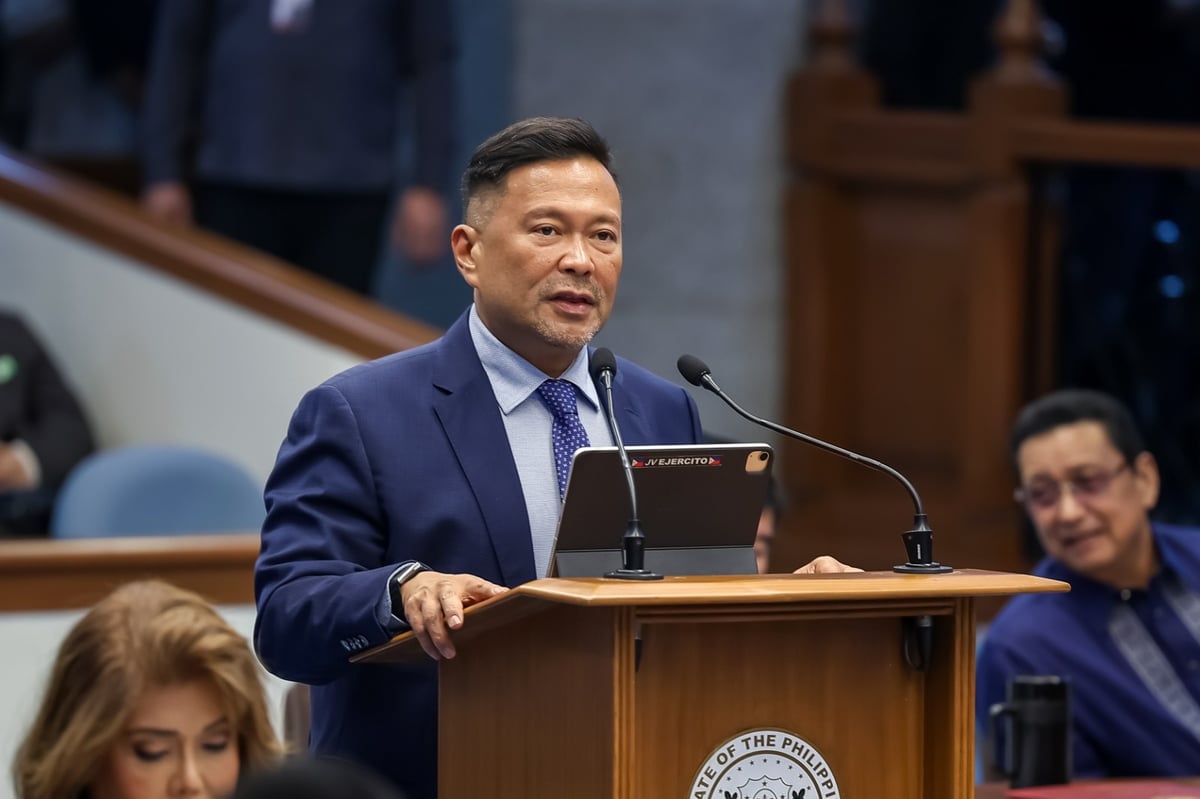
The Senate Finance Committee will again adopt a zero-funding policy for new flood control projects in the 2027 budget, focusing instead on completing unfinished projects and addressing existing gaps.
Committee chair Senator JV Ejercito told reporters Tuesday that the panel would not approve new flood control projects under the proposed P7.2 trillion national budget, at least at the Senate level.
“We do not want a repeat of what happened before, where local governments and provinces were unaware of projects in their areas that were proposed solely for their own profit,” he said in Filipino. “I think we have to resume, but only the uncompleted.”
Ejercito said leaving flood control projects unfinished could hamper their effectiveness, cause water to pool and potentially worsen flooding.
The government restored funding for flood control under the Department of Public Works and Highways (DPWH) a year after locally funded projects received no allocation in the 2026 General Appropriations Act.
The DPWH has proposed a P643.95-billion budget for 2027, including P107.4 billion, or 16 percent, for flood control. Of this, P83.84 billion is earmarked for locally funded projects.
The 2026 funding freeze followed investigations into alleged corruption involving lawmakers, DPWH engineers and private contractors that uncovered ghost, substandard and duplicate projects.
Ejercito acknowledged that withholding funds had worsened flooding in Tarlac, Pampanga, Bulacan and Metro Manila during recent habagat rains.
He renewed his call for a binding master plan and integrated infrastructure roadmap covering 30 to 50 years to ensure projects are legitimate, evidence-based, aligned with public needs and completed on time.
Projects outside the master plan could proceed if approved by the appropriate regional or provincial development council and deemed necessary, he said.
The Senate panel will also require program-of-work documents, feasibility studies and Regional Development Council approval for infrastructure projects.
