
DepEd sets nationwide school safety drill for 3 September

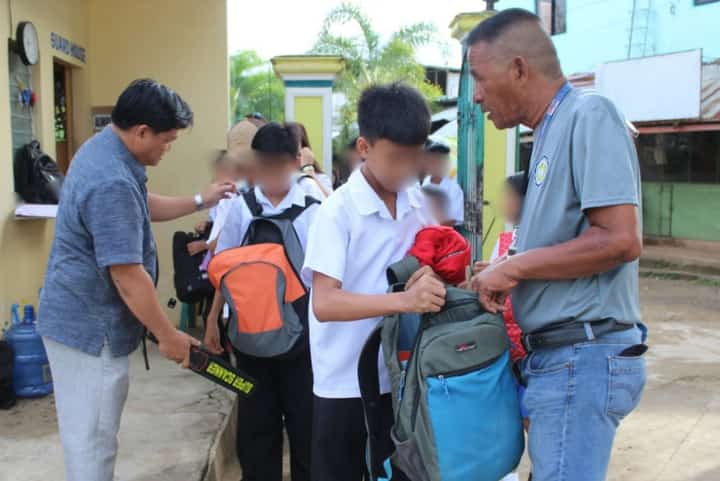
IN PHOTOS | Education Secretary Sonny Angara has launched a nationwide School Safety Campaign to tighten security and reinforce learner protection measures across the country. The comprehensive Department of Education initiative deploys a multi-layered strategy, combining upgraded physical security like handheld metal detectors and safety audits with vital psychosocial support to ensure schools strictly remain safe zones for learning.
DepEd PH
The Department of Education (DepEd) will hold its nationwide simultaneous school safety drill on 3 September, with schools required to adopt safeguards designed to prevent the exercise from causing unnecessary distress among learners.
The drill, which was earlier postponed because of inclement weather, will focus on preparing schools for active threat scenarios through step-by-step procedures rather than realistic simulations, DepEd said Tuesday.
“Safety is not just about physical security; it is equally about protecting our children's peace of mind,” said Education Secretary Sonny Angara.
Schools will conduct readiness assessments, teacher training and age-appropriate orientations before the exercise. School heads and teachers must notify learners, parents and personnel in advance and secure written parental consent and learner assent.
Learners who need additional safeguards, including those whose parents request accommodations, must be allowed to take part in alternative activities without penalty or stigma.
During the drill, schools will practice securing entry points, silent concealment away from windows and evacuation procedures, with adjustments for learners with disabilities, special needs and sensory sensitivities.
DepEd said the exercise will not use threat simulations, aggressor role-players, weapons, simulated gunfire, pyrotechnics, graphic imagery or artificial casualties.
A signal distinct from earthquake and fire alarms will be used to start the drill.
The department said guidance personnel and school health officers will provide Psychological First Aid and conduct post-drill debriefings. Schools will also coordinate with their Schools Division Offices, local governments and health facilities for referrals when specialized mental health support is needed.
Police participation will be limited to external perimeter security, emergency notification systems, dispatch response testing and post-incident tracking, DepEd said. Learners will practice keeping their hands raised, empty and visible when encountering first responders during evacuation.
Police will likewise not conduct tactical disarming exercises or expose learners to aggressive displays, according to the department.
“Our goal for September 3 is to build calm operational confidence and muscle memory through proper orientation, not fear. Preparedness saves lives, and trauma-informed execution protects our learners,” Angara said.