
Angara calls for wider response to school violence

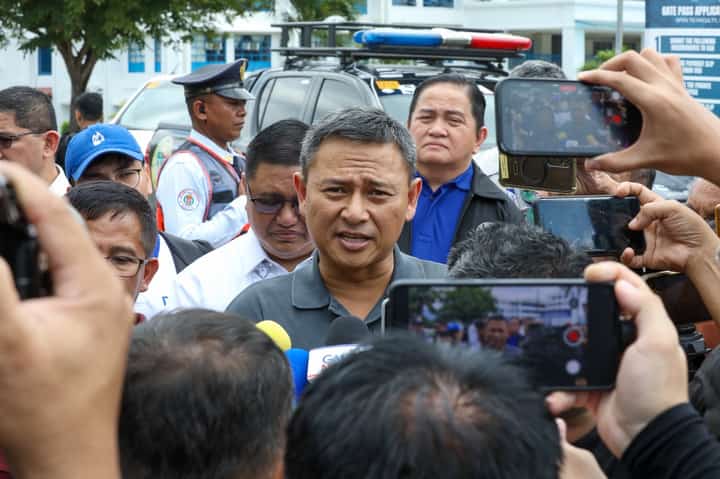
IN PHOTOS | Education Secretary Sonny Angara led emergency intervention efforts and called for a whole-of-community approach to campus safety and youth mental health following the tragic incident at Ateneo de Zamboanga University Junior High School. Alongside security and operational measures, Angara urged the public, content creators and the media to practice responsible digital behavior by refraining from sharing unverified details or graphic content to protect the dignity and privacy of minors.
DepEd PH
Education Secretary Sonny Angara on Wednesday urged schools to deepen their engagement with students beyond academics, saying teachers need to know when young people are struggling as authorities examine the circumstances surrounding a deadly school shooting in Zamboanga City.
Angara said schools should not only teach students but also serve as a second home, with teachers and school communities regularly checking on children and making them feel welcome.
“The school’s role is not only to teach but to be a second home,” Angara told reporters during an ambush interview in Zamboanga City.
On Tuesday, a Grade 9 student at Ateneo de Zamboanga University shot and killed a Grade 10 student before taking his own life. Two other people were injured, according to authorities.
Angara said the incident highlighted a broader problem involving young people that could not be addressed by schools alone.
“It’s a problem of the youth, a problem of every community, of the country, in truth,” he said, calling for a “bayanihan” approach involving schools, parents, parent-teacher associations and communities.
The education secretary urged teachers to regularly ask students how they are doing and to pay attention to changes in their behavior.
He acknowledged, however, that schools could not easily identify every student facing difficulties, particularly those who do not participate in school activities.
“That’s the challenge for us because we don’t know who comes from broken families, who has problems,” he said.
The Education Department has been strengthening school-based mental health programs following a series of incidents involving violence among young people.
Angara said physical security should remain part of the response but should not replace psychological and socio-emotional support.
Some schools without security guards could consider having barangay tanods provide visibility on campus, he said. But “security arrangements” alone would not address what he described as a longer-term problem involving young people's mental and emotional well-being.
Angara also cautioned against drawing premature conclusions about the Zamboanga student's motive, including speculation that online grooming or harmful digital content played a role.
He nevertheless urged parents to be as vigilant about their children's online interactions as they would be about people they encounter in the physical world.
“If we would not allow that person to talk to our children in a park or a sari-sari store, we should not allow that person to talk to our children online,” Angara said.