
BCDA, Capas agree on consultations as Aetas oppose Pax Silica

The Bases Conversion and Development Authority (BCDA) has begun discussions with the local government of Capas, Tarlac to address concerns surrounding the proposed Pax Silica Initiative at New Clark City as opposition from indigenous communities and farmers continues to grow.
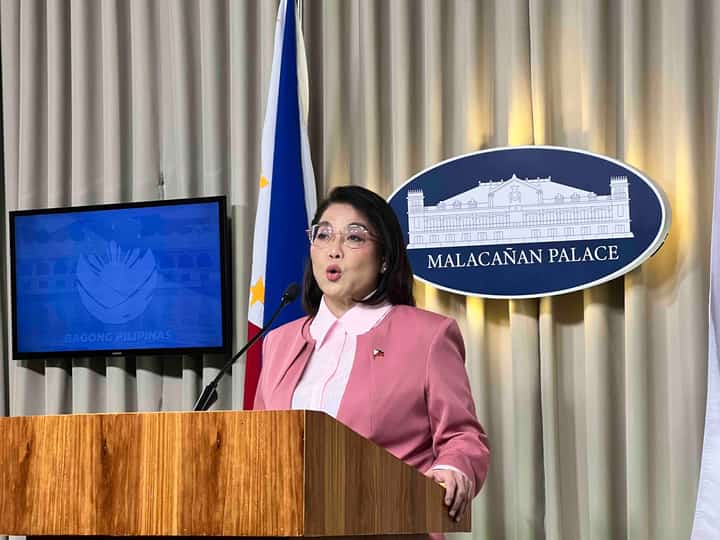
During Thursday's Palace press briefing, Presidential Communications Office Undersecretary and Palace Press Officer Claire Castro read a statement from the BCDA confirming that its officials met with Capas Mayor Roseller Rodriguez on 5 August.
According to the BCDA, the meeting focused on the proposed innovation ecosystem and the measures needed to ensure its "balanced and responsible development" while benefiting local communities and protecting the environment.
Castro said the BCDA presented plans to attract high-value industries and investments to New Clark City, create quality jobs and generate new opportunities for local businesses.
The agency also outlined proposed modern agriculture projects and livelihood programs intended to benefit residents and farmers within the area.
According to Castro, the Capas municipal government welcomed the project's potential to generate long-term economic opportunities and improve the lives of residents through sustainable and inclusive development.
Both parties also agreed to continue conducting joint activities with barangays and local communities to provide updates on the project and improve public understanding of its proposed benefits.
"Moving forward, BCDA and the Capas LGU will continue working closely in conducting community consultations and promoting a balanced and responsible approach to the project's development, ensuring that its benefits translate into lasting opportunities for Capaseños," Castro said.
Indigenous groups renew opposition
The meeting came a day after Aeta leaders and farmers from Capas publicly reiterated their opposition to the proposed development, saying it threatens their ancestral domain, livelihoods and natural resources.
Speaking at a press conference in Quezon City, Aeta chieftain Petroniza Capriz-Muñoz of Sitio Sapang Kawayan questioned why the project was being pursued despite years of discussions with the BCDA and the National Commission on Indigenous Peoples (NCIP).
"We walked and came here to reveal to the whole world that we will stand by our land because the evidence we have shown us how important our mountains are," Capriz-Muñoz said.
She appealed to President Ferdinand Marcos Jr. to listen to the concerns of indigenous communities, stressing that portions of the proposed project would affect their ancestral domain, including Aeta burial grounds.
Farmers fear impact on water, livelihoods
Farmers also raised concerns over the possible impact of the project on freshwater sources and agricultural lands.
Miriam Ventura, a farmer from Barangay Sta. Lucia, said the community depends on rivers and deep wells for drinking water and irrigation.
"The water from the pumps we use for drinking is really very good," Ventura said, questioning what would happen to these water sources if the project pushes through.
She added that other indigenous groups have also expressed opposition to the project.
Another Aeta elder said families in Sitio Sapang Kawayan depend on farming vegetables, rice, sweet potato, corn, peanuts and chili for their livelihood, while nearby communities cultivate bananas and other crops.
Farmer Ernesto Cabieza likewise opposed the project, saying it could adversely affect indigenous communities and the area's natural resources.
He also stressed that local government officials should be properly consulted before decisions affecting the community are made.