
Cordillera IP women urge Marcos: Deliver action, not promises

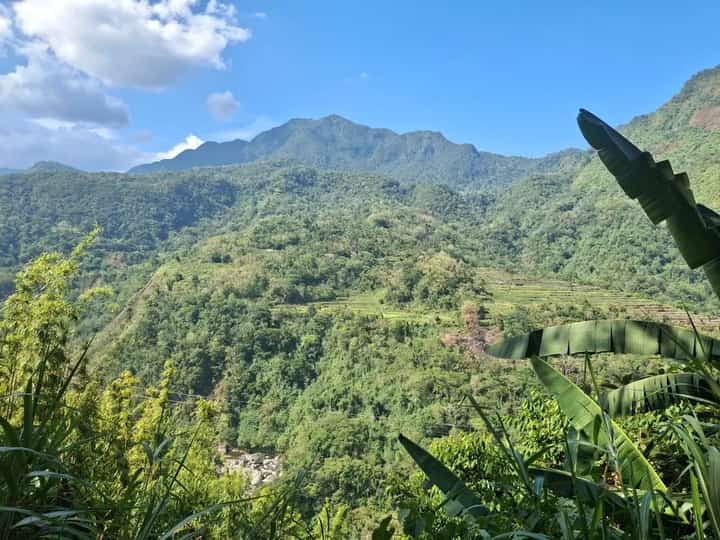
BAGUIO CITY – As President Ferdinand Marcos Jr. prepares to deliver his fifth State of the Nation Address (SONA), an indigenous women's leader from the Cordillera called on the administration to move beyond rhetoric and deliver concrete action on ancestral land rights and environmental protection.
Rogyn Beyao, secretary general of Innabuyog-Kalinga, said the President's address should not be another platform for promises but an opportunity to present concrete measures addressing the concerns of indigenous communities.
"The true measure of leadership is whether the government genuinely responds to the urgent demands of indigenous women," Beyao said, citing opposition to large-scale mining, megadams, and wind energy projects that she said threaten ancestral lands, livelihoods, and communities.
She noted that Cordillera women have long been at the forefront of defending ancestral domains, from the historic resistance against the Chico River Dam project to present-day campaigns against large-scale development projects.
Women's organizations, including Innabuyog-Gabriela and the Cordillera Women's Education Action Research Center, said environmental degradation has a disproportionate impact on women, who often serve as primary food producers and caregivers in their communities.
According to the groups, projects that affect rivers and farmlands without the consent of indigenous communities undermine both their livelihood and cultural identity.
Beyao also said indigenous peoples are seeking more than symbolic recognition, claiming that community defenders continue to face militarization, harassment, red-tagging, and other forms of intimidation while asserting their rights.
As the nation awaits the President's annual address, she urged the administration to announce concrete policies that would protect ancestral domains, halt environmentally destructive projects, and strengthen safeguards for environmental and human rights defenders.
"For as long as our lands and waters remain under threat, the voices of Cordillera indigenous women will continue to be heard on the frontlines," Beyao said.