The Armed Forces of the Philippines (AFP) on Wednesday rejected the China Coast Guard’s (CCG) claim that it permitted…

Vice President Sara Duterte on Wednesday urged more Filipinos to donate blood, calling on healthy adults to help boost…

The Marcos administration’s Expanded Pambansang Pabahay para sa Pilipino (4PH) Program is accelerating the delivery of…

“If you wanted an additional budget, you would pay 20 percent to Zaldy Co.”

President Ferdinand Marcos Jr. has made overseas investment missions a hallmark of his administration, with Malacañang…
Commuters in the country may soon face higher public transport fares as the government begins reviewing pending fare hike petitions while evaluating expanded fuel subsidies to soften the economic blow for both passengers and drivers.
Transportation Secretary Giovanni “Banoy” Lopez said Wednesday he has instructed the Land Transportation Franchising and Regulatory Board (LTFRB) to launch nationwide public consultations and coordinate with regional directors to evaluate the requests following instructions from President Ferdinand Marcos Jr. to balance the welfare of drivers and commuters.
The regulatory review comes amid mounting pressure from transport groups reacting to recent pump price increases.
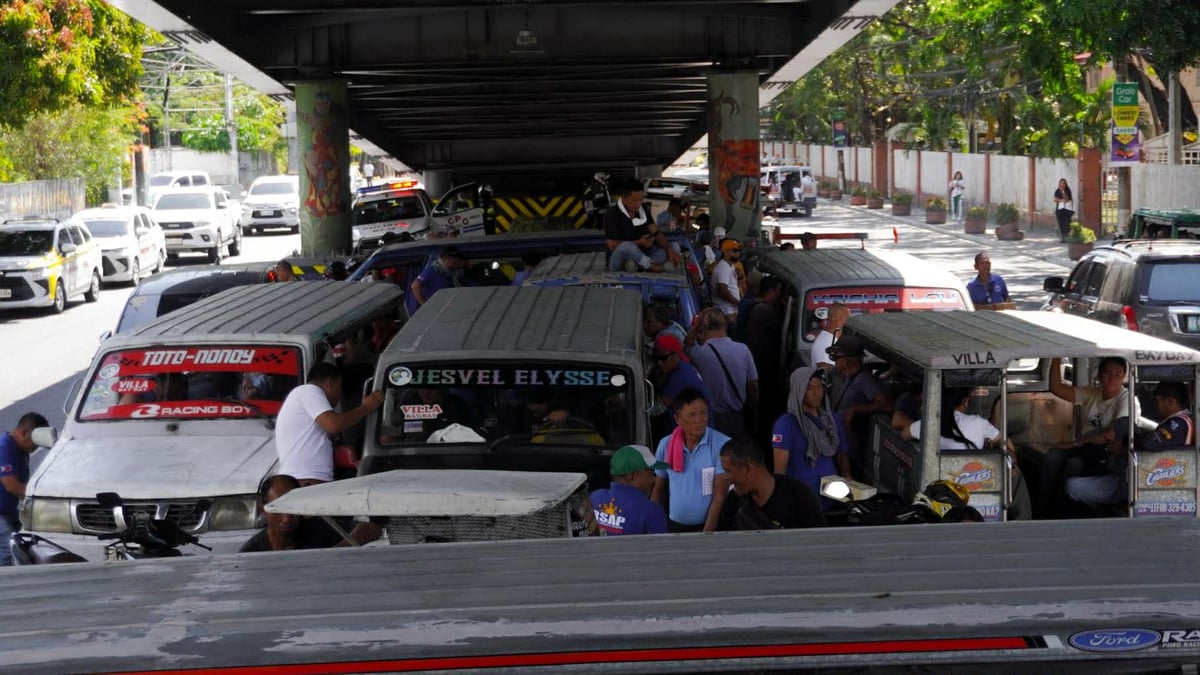
Transport group Manibela launched a two-day strike Wednesday demanding a P2 increase in the minimum jeepney fare, a day after the group Piston held a protest calling for a P10 hike.
“The complication right now is that we have to also address inflation,” Lopez said, referencing recent survey data from Pulse Asia showing inflation management as a primary concern among Filipinos.
“I instructed the LTFRB to start the process of public consultation and consultations with the regional directors nationwide,” he added.
The public consultations represent the initial step in the regulatory process before the LTFRB can act on the filed petitions.
To curb inflationary pressure and reduce the necessity of a sharp fare increase, Lopez said the government is studying whether to expand existing driver assistance programs.
Options under review include broadening the P10-per-liter Fuel Subsidy Program and offering additional fuel discounts.
“LTFRB should start the process and see if we can, might as well, expand government interventions like the fuel subsidy or fuel discount,” Lopez said. “In that way, we can manage inflation. I think the President will also discuss and address that issue.”