
Hopes for peace dim
The prospects for a lasting peace appear grim, and the consequences of this enduring confrontation, particularly for Asia, are dire.

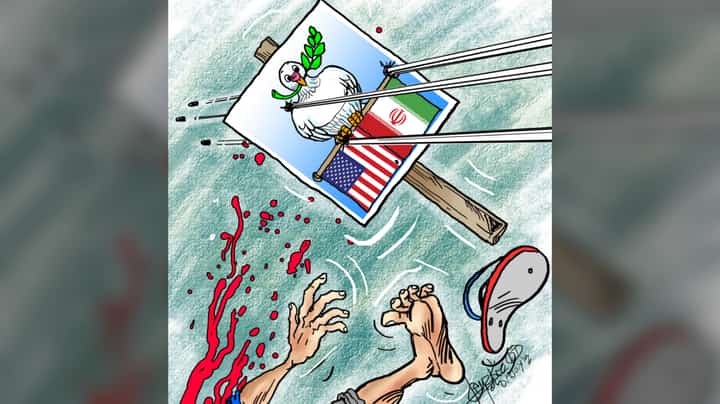
The recent collapse of the US-Iran ceasefire and the subsequent resumption of hostilities have shattered the fragile hope that diplomacy would prevail.
The situation is not merely a slide back to war; it is an acknowledgment that the conflict never truly ended, with the June “memorandum of understanding” but a brief, vague and ultimately doomed interlude.
The prospects for a lasting peace appear grim and the consequences of this enduring confrontation, particularly for Asia, are dire.
The core reason for this diplomatic failure lies in the fundamentally irreconcilable interpretations of the ceasefire agreement, especially concerning the strategic Strait of Hormuz.
The initial deal was vague, leaving the critical question of who would control the waterway open to dispute. Iran viewed its influence over the strait as a paramount strategic asset, “more important than dozens of nuclear bombs,” and believed the agreement recognized its role in managing the waterway.
Conversely, the US insisted on free navigation under international law, viewing any Iranian control or “tolls” as unacceptable. This foundational disagreement, compounded by decades of deep-seated mistrust between the two nations, made the ceasefire inherently unstable. As analysts predicted, a resumption of violence was inevitable and the “MOU is completely dead.”
The collapse of diplomacy is already exacting a heavy price, with Asia and Southeast Asia bearing the brunt of the economic fallout.
Around 80 percent of the crude oil passing through the Strait of Hormuz is destined for Asian markets, making the region acutely vulnerable to any disruption.
A prolonged conflict that keeps oil prices near $120 per barrel would significantly slow economic growth. For instance, the GDP of Vietnam, India and Thailand would be about 3 percent lower than otherwise.
Countries like the Philippines have declared national energy emergencies, and the added cost of importing oil and gas has increased ASEAN’s import bill by billions of dollars per month.
The crisis has also forced a short-term pivot back to fossil fuels, threatening long-term energy transition goals as governments prioritize immediate energy security.
Beyond the economic impact, the conflict risks expanding into a wider regional catastrophe. The US finds itself in a strategic quagmire, having exhausted many of its military and diplomatic options.
Further escalation, such as targeting Iran’s Kharg Island and civilian infrastructure, could provoke Iran to close the Strait of Hormuz entirely and prod its Houthi allies to close the Bab al-Mandeb strait, creating a dual chokepoint on global energy supplies.
This would have devastating consequences for the global economy and could drag regional powers like Saudi Arabia and the UAE further into the fray.
The war has also left the US politically vulnerable at home, with a majority of Americans expecting a prolonged conflict and rising living costs threatening President Trump’s approval rating. This is particularly not good for him and the GOP’s hopes for decisive wins in the upcoming midterm elections happening in less than five months.
Given the entrenched positions and the lack of a clear military solution, the hope for a lasting peace during President Trump’s term appears profoundly dim.
The administration is caught in a bind, unwilling to accept a deal that leaves a hostile Iran in control of the strait but unable to force a better outcome through military might.
As one expert noted, “the most likely ending is a non-ending,” with a war of attrition that will grind on, inflicting pain on all involved.
The conflict may settle into a “new normal” of low-level, intermittent violence with no clear resolution in sight, leaving the world to navigate a future of perpetual geopolitical and economic instability.