
We need less politics, more service
Why don’t our politicians really eliminate poverty? Because poverty serves a purpose — for them. Poverty gives them power.

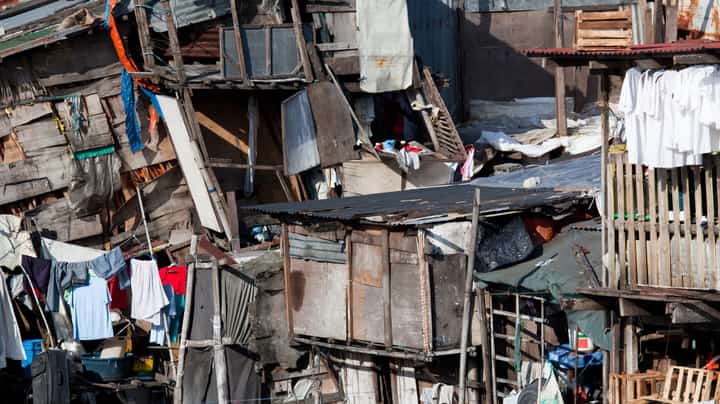
Our kind of Philippine politics does not help many of our people. There are quite a number of politicians who believe in maintaining power through poverty control.
Poverty has long been a potent tool for political manipulation, as many leaders exploit the desperation of the poor to maintain their power.
Why don’t our politicians really eliminate poverty? Because poverty serves a purpose — for them. Poverty gives them power. It creates a population that is easier to control, easier to influence with promises, handouts, and relief every election season.
Politicians betray the poor.
The perception that politicians betray the poor is rooted in the longstanding issues of corruption, patronage politics, and policy neglect. Observers argue that systemic inequality is often perpetuated when leaders divert public funds, implement repressive tax policies, and use poverty as leverage to secure dependent votes.
This sentiment is frequently fueled by specific actions and governance failures:
1. Patronage Politics: Elected officials are assured of public resources for short-term relief, such as food distribution, to build political loyalty rather than enacting structural reforms that would enable self-sufficiency.
2. Misallocation of Funds: Budget cuts to vital services — such as underfunding universal healthcare programs — disproportionately hurt lower-income families who rely heavily on government medical assistance.
3. Systemic Inequality: A biased tax system and corruption allow wealth to remain concentrated among the elite, restricting social mobility and keeping the impoverished trapped in a cycle of dependency.
Many political analysts, leaders, and health advocates emphasize that addressing this betrayal requires the public to demand transparency, accountability, and the genuine implementation of social justice law.
The impact of Philippine politics on the common Filipino is mixed. While macroeconomic growth and digital integration have expanded opportunities, entrenched political dynasties, widespread corruption, and inflation continually erode purchasing power, leaving many citizens vulnerable and driving a significant portion of the population to seek better lives abroad.
The disconnect between political action and the everyday reality of the common Filipino is characterized by several key factors.
Economic and Social Realities
1. Prosperity vs. Purchasing Power: While the Philippines has achieved upper-middle-income status and recorded strong GDP growth, the macroeconomic progress has not lowered the cost of living. Persistent inflation on basic goods like food and energy, coupled with the weak peso, heavily impacts the common citizens.
2. Poverty Vulnerability: Despite a decline in official poverty statistics over the last decade, large segments of the population remain highly vulnerable to economic shocks. Surveys by Social Weather Stations and OCTA show that a slim majority of Filipino families consistently rate themselves as poor, highlighting the gap between the figures and perceived household well-being.
3. Migration for Stability: Due to high living costs, sluggish local wage growth, and limited high-paying job opportunities, a significant percentage of the workforce remains willing to migrate abroad.
Political Dynamics
1. Patronage and Dynastic Politics: The political landscape is widely criticized by watchdog organizations as being dominated by political elite families and patronage politics. Critics and analysts suggest this structure often prioritizes familial or factional interests over systemic institutional reforms that could benefit the broader public.
2. Public Sentiment: Polling indicates that while many Filipinos trust the national leadership, a majority feel they are unheard by politicians, but confidence in local governments remains.