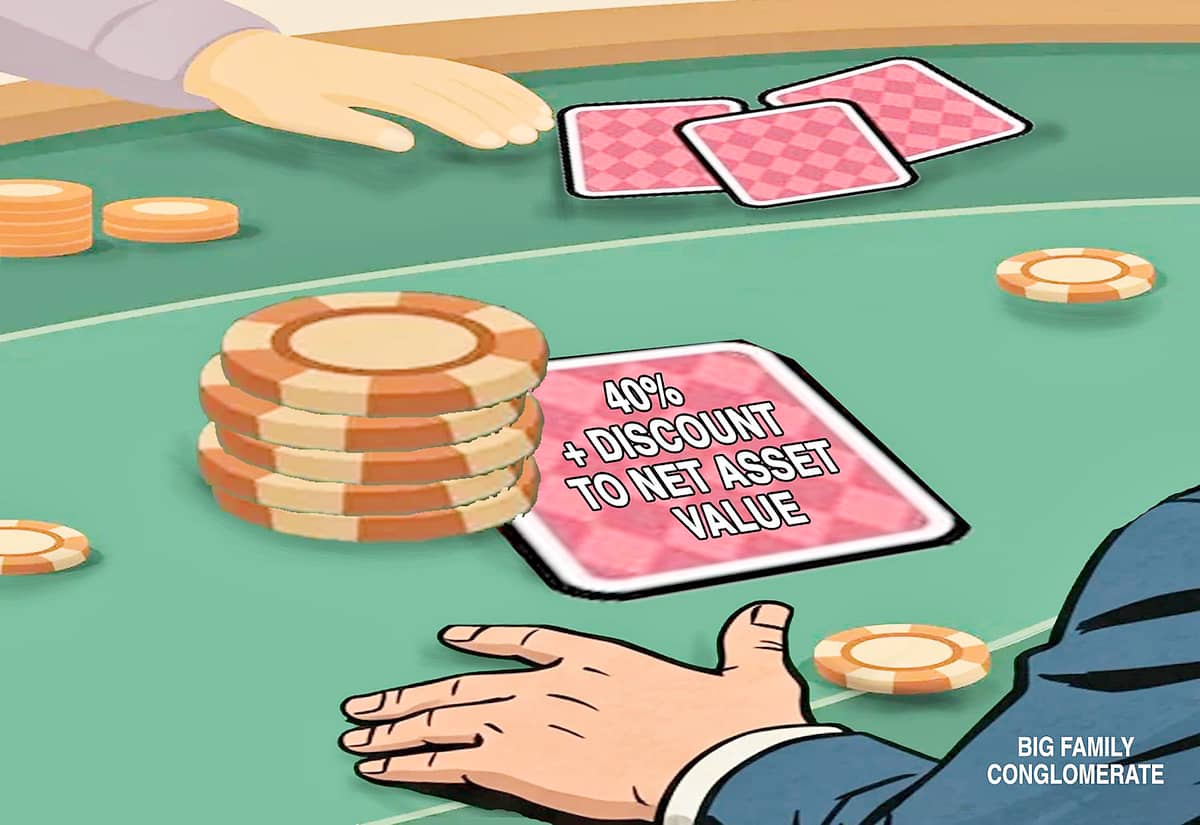
Stuck holding the bag


Nosy Tarsee caught word from the trading floor and it’s not a happy one for a certain batch of small investors who thought they were being clever.
A well-known multi-format retailer just wrapped up a tender offer from its controlling family’s private holding company. The price on the table: forty-eight pesos and change per share. Not exactly generous, according to some brokerage houses that publicly grumbled that the offer was priced well below what they considered the company’s real worth. One house even called it a forty-percent-plus discount to net asset value.
So naturally, a slice of minority shareholders decided to play chicken. “Baka tumaas pa (It may rise),” they figured. Why cash out now when the family clearly wants this badly enough to buy back nearly everything — surely they’ll come back with a sweeter number if not enough shares get tendered.
The controlling group crossed the finish line on their own terms. They didn’t need to sweeten anything, because enough shares came in anyway, more than enough to clear the regulatory bar for a full delisting.
And here’s the part the holdouts didn’t fully clock: once the exchange listing goes away, so does the marketplace. No more daily quotes. No more brokers matching buyers and sellers. No more exit button, basically.
So now a small but real group of investors is sitting on paper that used to be liquid and, as of a trading suspension a few days back, suddenly isn’t.
They said no to forty-eight-something. What they’re holding now is worth exactly what someone privately, quietly, and under no obligation to be fair is willing to offer them someday — if that day ever comes. Company management, for what it’s worth, has already signaled they’re not in a hurry to fix the float. Translation: don’t hold your breath.
Nosy Tarsee isn’t here to say the tender price was generous — plenty of respected analysts made the opposite case loudly and on the record before the offer closed.
But there’s a lesson buried in here for the retail investing crowd who like to gamble on corporate actions expecting a rescue price at the eleventh hour: sometimes the controlling shareholder simply doesn’t need you.
They’ll take their 95-plus percent, thank you very much, close the door on the exchange, and let the remaining small fry figure out what an illiquid, unlisted stock certificate is actually worth over a nice long dinner with their lawyers.
Word of advice next time a big family conglomerate makes a tender offer with a delisting attached: read the fine print on what happens to the shares you don’t sell.
Sometimes the house always wins, and this time, it didn’t even need to raise the bet.