
Powering growth: Inside MORE Power’s smart grid vision


Economic growth is often measured in new factories, rising skylines, and expanding business districts. Less visible—but just as essential—is the infrastructure that keeps them running.
As the Philippines pursues sustained growth through infrastructure and digital transformation, MORE Electric and Power Corp. is making a long-term wager that the next competitive advantage for cities will not simply be access to electricity, but access to an intelligent power network capable of anticipating problems before they happen.
For decades, electric utilities largely operated on a reactive model. An outage occurred, consumers reported it, and repair crews were dispatched to locate and fix the problem. MORE Power wants to reverse that equation by building a distribution network that continuously monitors itself, predicts equipment failures, and restores service with minimal disruption.
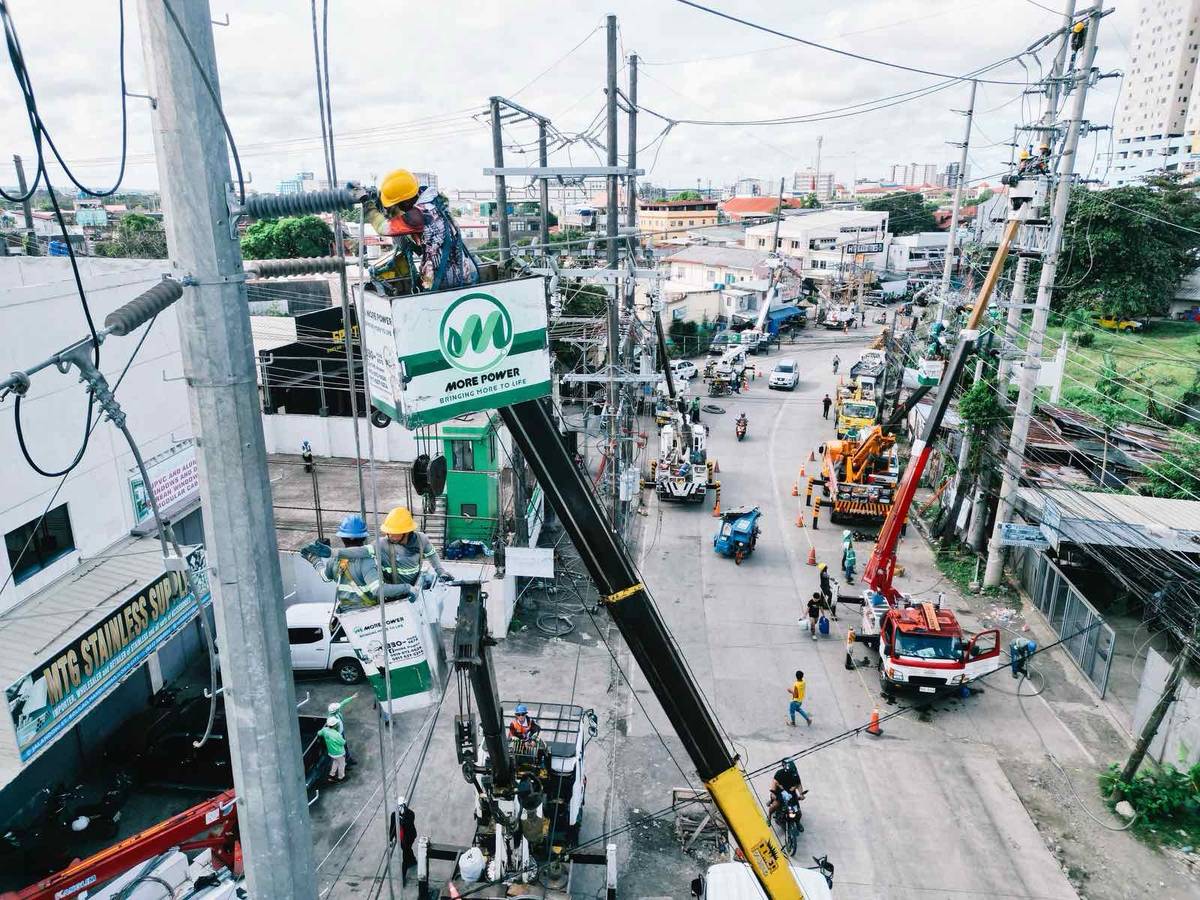
The Iloilo-based distribution utility is accelerating the integration of artificial intelligence (AI), advanced analytics, and smart metering across its network as part of a multi-year modernization program that combines digital technology with billions of pesos’ worth of new substations, transmission facilities, and control systems.
The strategy seeks to support Iloilo City as one of the country’s fastest-growing urban centers. The city climbed to fifth place among the Philippines’ highly urbanized cities in the latest competitiveness rankings, after steadily improving from 15th in 2021 to seventh in 2022, reflecting the increasing demand for infrastructure capable of supporting expanding businesses, manufacturing, commercial developments, and residential communities.
Rather than expanding capacity alone, MORE Power is investing in intelligence.
Its Smart Grid Vision for 2025 to 2028 rests on three digital pillars: Substation Health Monitoring, Distribution Asset Intelligence, and Advanced Metering Infrastructure.
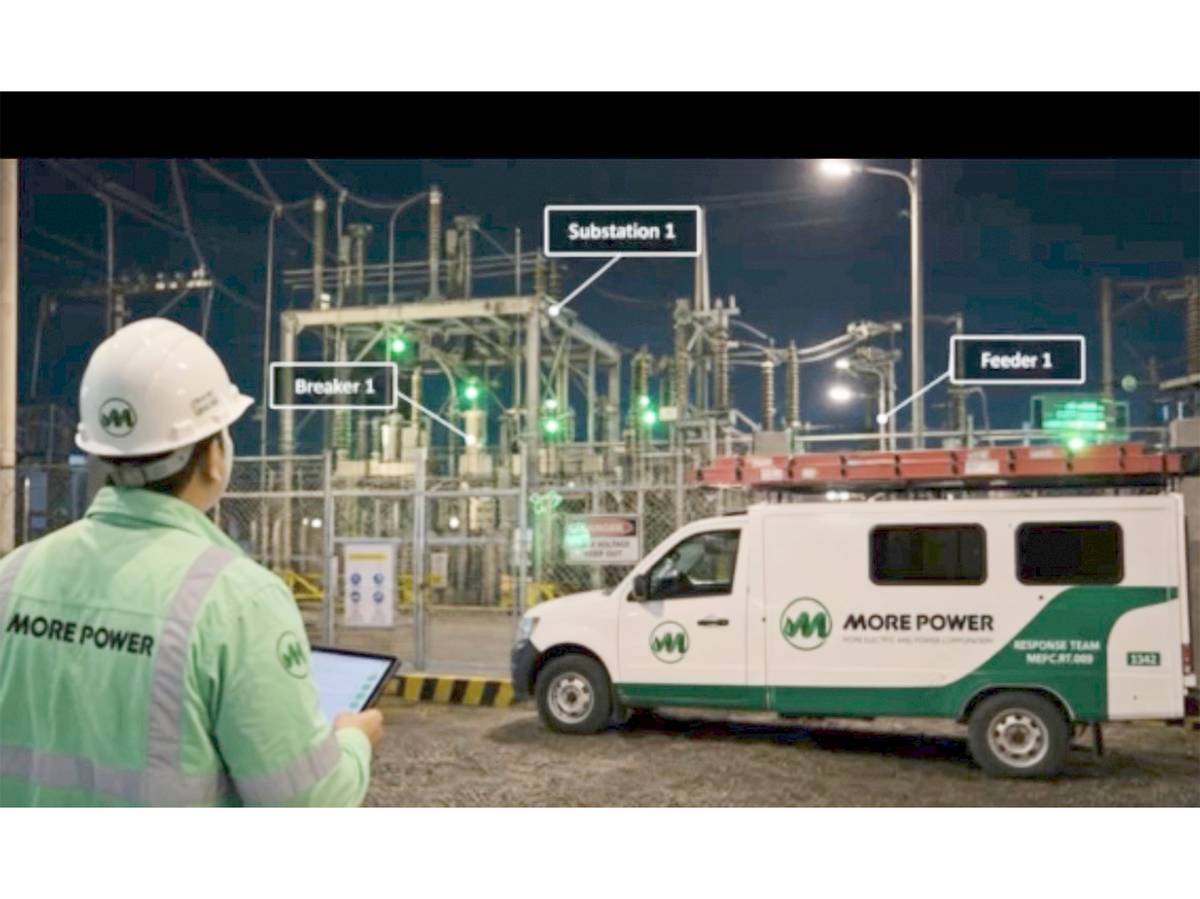
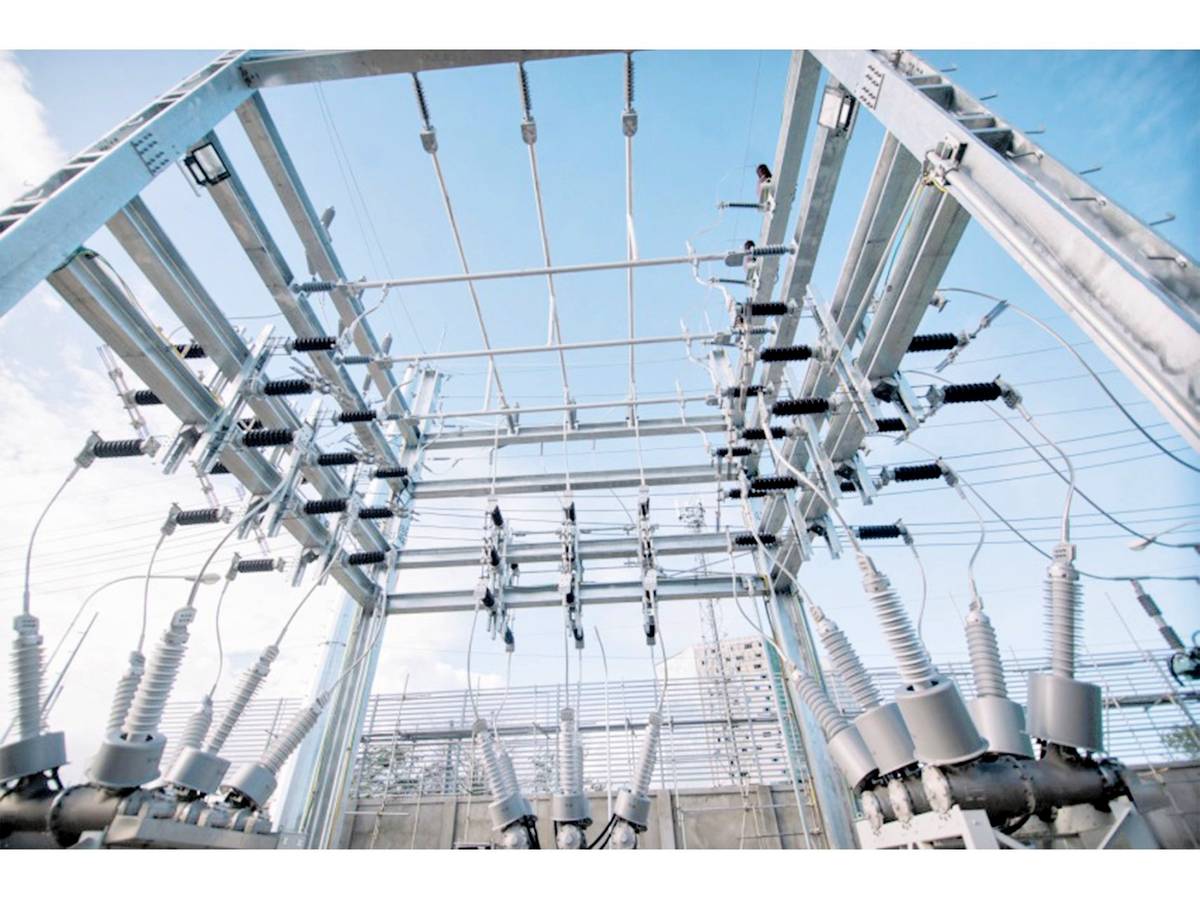
The first uses real-time sensors installed inside substations that feed operational data into a centralized analytics platform capable of identifying equipment stress before failures occur.
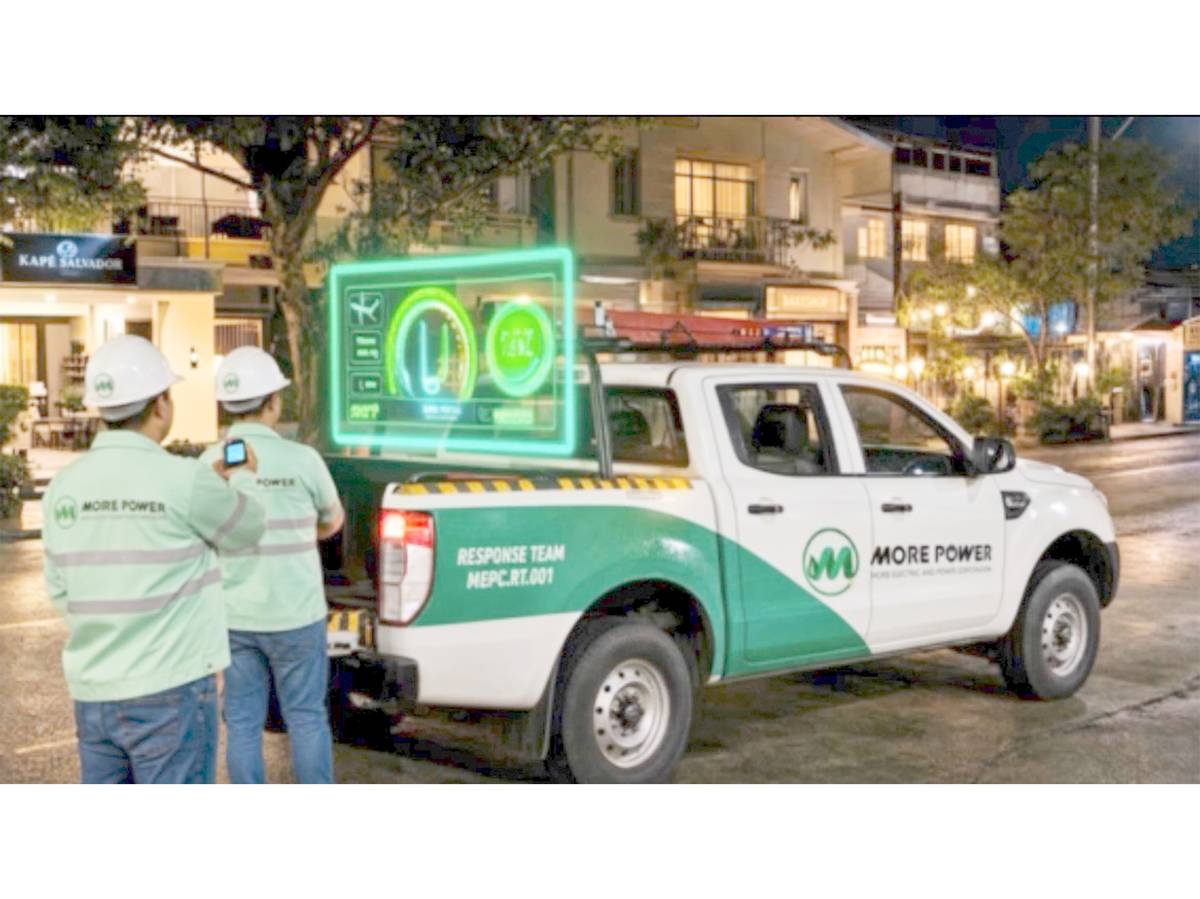
The second extends monitoring across the distribution network through edge sensors installed on power lines, transformers, and field assets, allowing engineers to monitor network conditions continuously instead of relying solely on field inspections.
Together, these technologies are designed to create what the company describes as a “self-healing” grid.
Using AI-driven diagnostics and an Advanced Distribution Management System (ADMS), faults can be detected almost immediately, isolated to affected sections and electricity rerouted through alternate paths in seconds. Engineers are likewise able to monitor the health of substations remotely, allowing technical issues to be identified before they develop into service interruptions.
The company said the digital platform significantly reduces the mean time to repair during outages while improving overall system reliability.
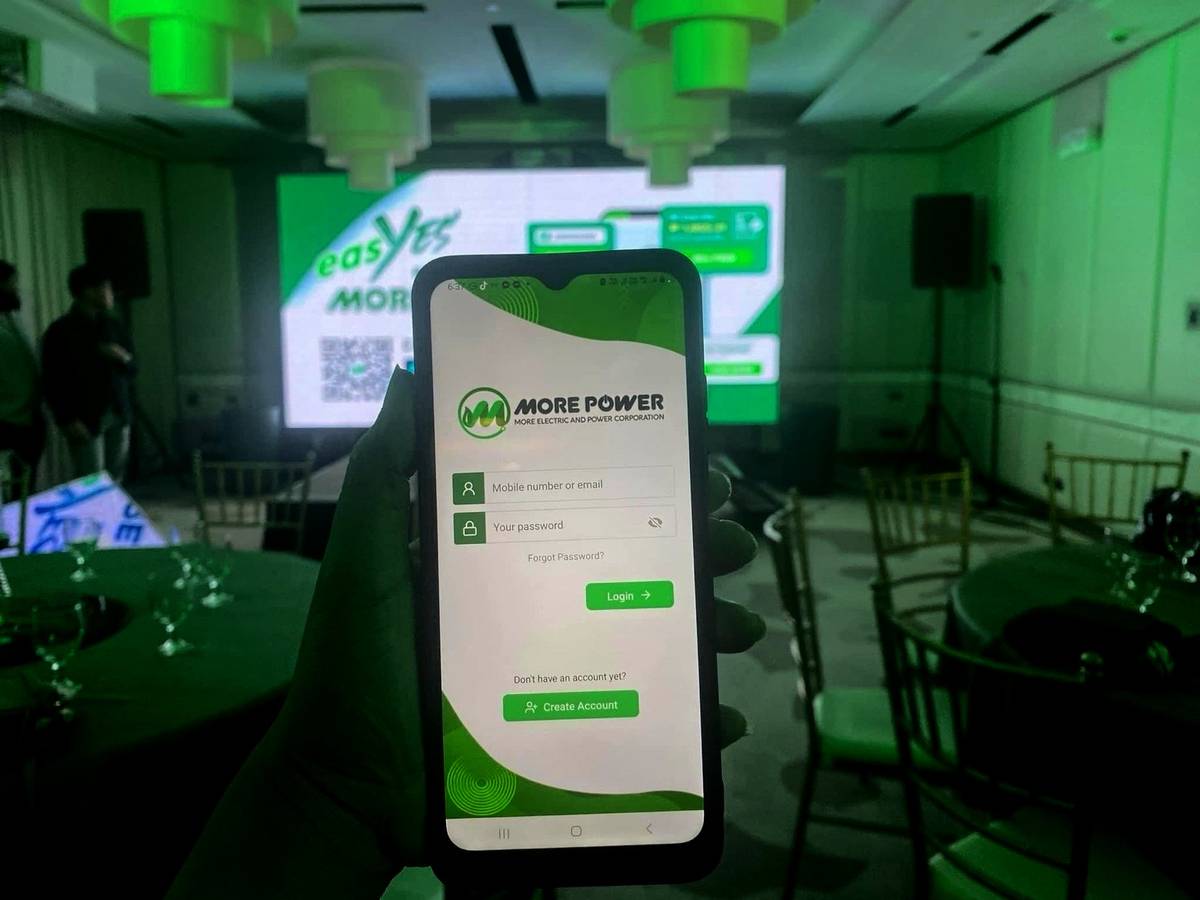
Smart meters are expected to provide households and businesses with real-time insights into their electricity usage, enabling them to adjust consumption patterns, avoid unexpected spikes in monthly bills, and improve energy efficiency. The utility also expects more accurate billing and stronger engagement with customers through greater transparency in electricity consumption.
Roel Z. Castro, President and Chief Executive Officer of MORE Power, said the introduction of AI is a strategic step toward transparency.
“The energy landscape is changing. By learning early and adapting thoughtfully, we can ensure that our customers benefit from new technologies without compromising the quality of service they expect,”
Castro said.
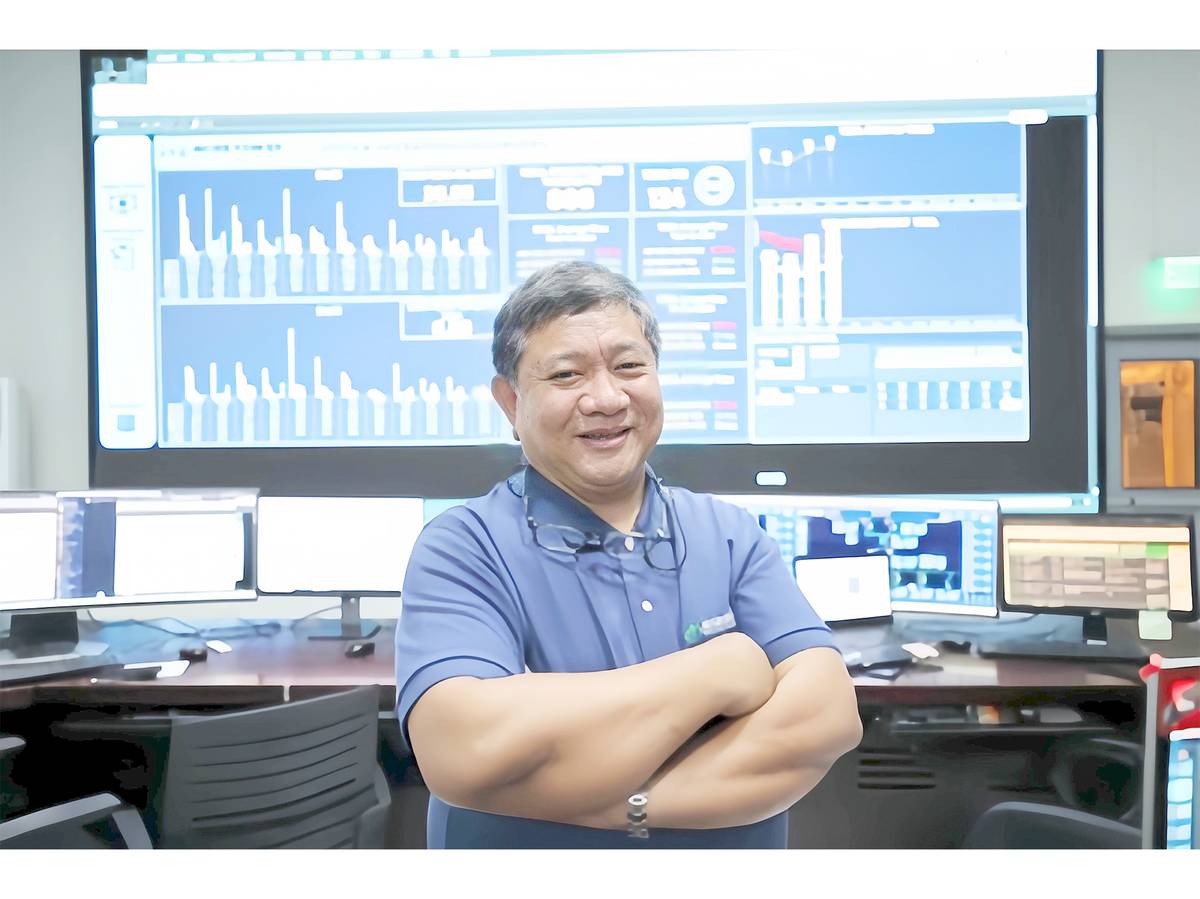
“New technologies must help us detect problems earlier, respond faster, and protect both our workers and our customers,” he added.
The digital transformation also reshapes how the utility operates internally.
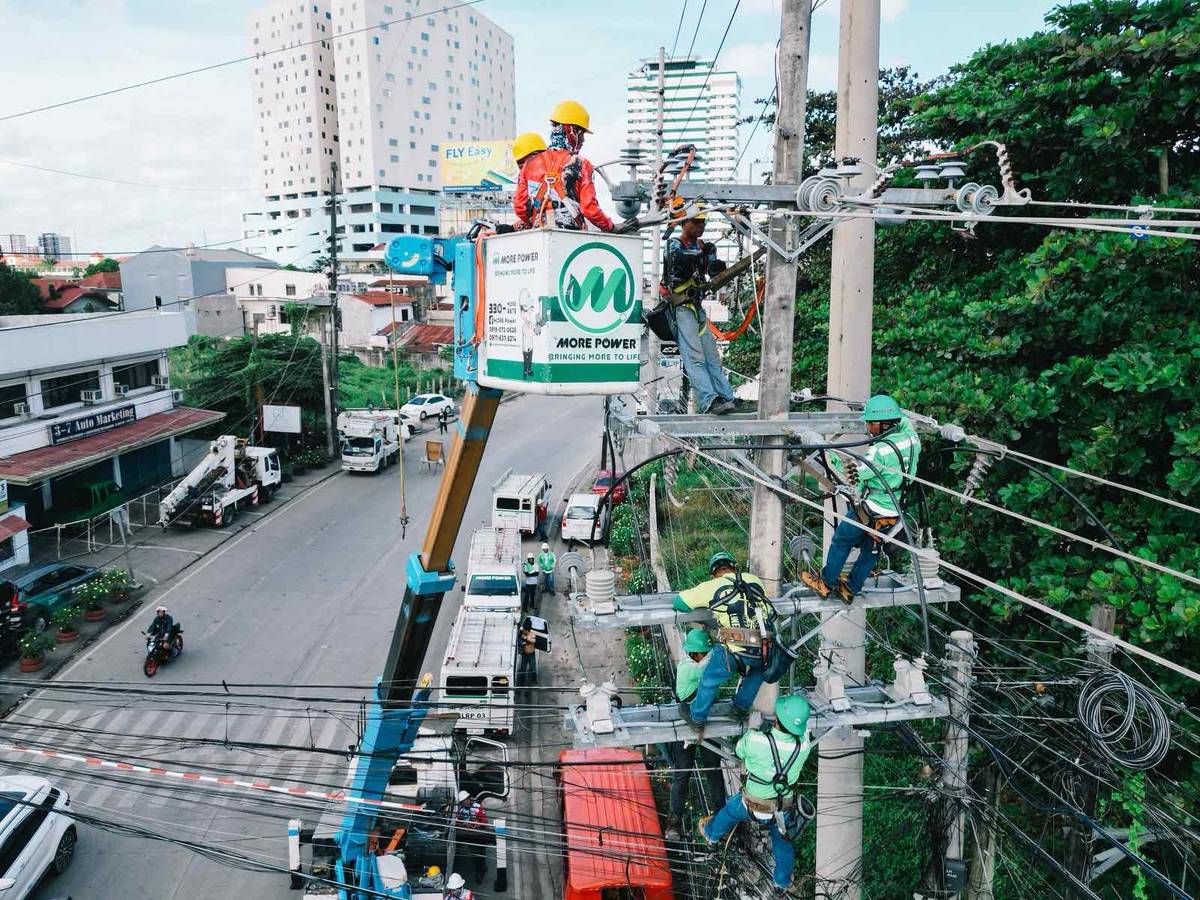
By automating routine monitoring, diagnostics, and data collection, MORE Power said it can redirect technical personnel toward preventive maintenance and more complex field operations instead of repetitive inspection work. Management emphasized that automation is intended to enhance employees’ capabilities rather than replace them.
The technology rollout is supported by an aggressive capital expenditure program that expands the physical backbone of the distribution system.
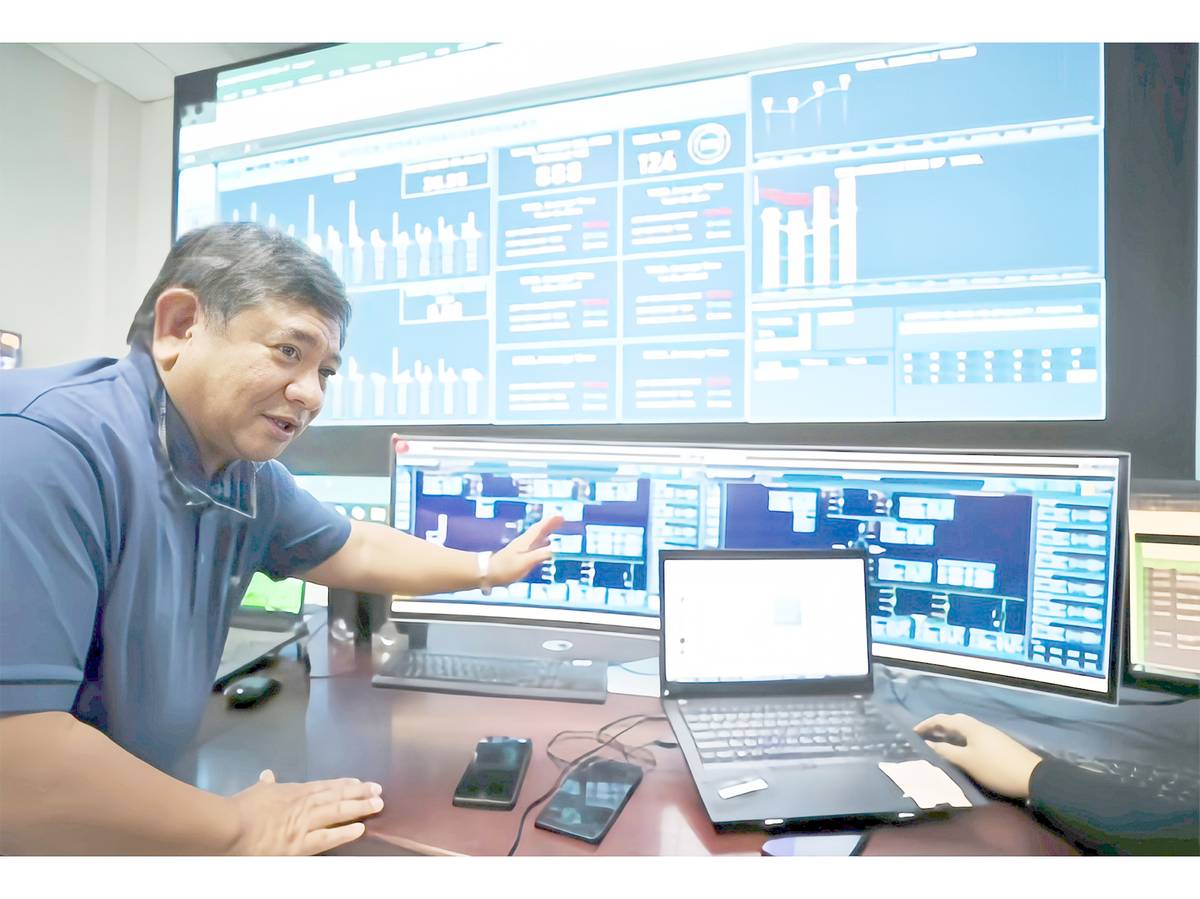
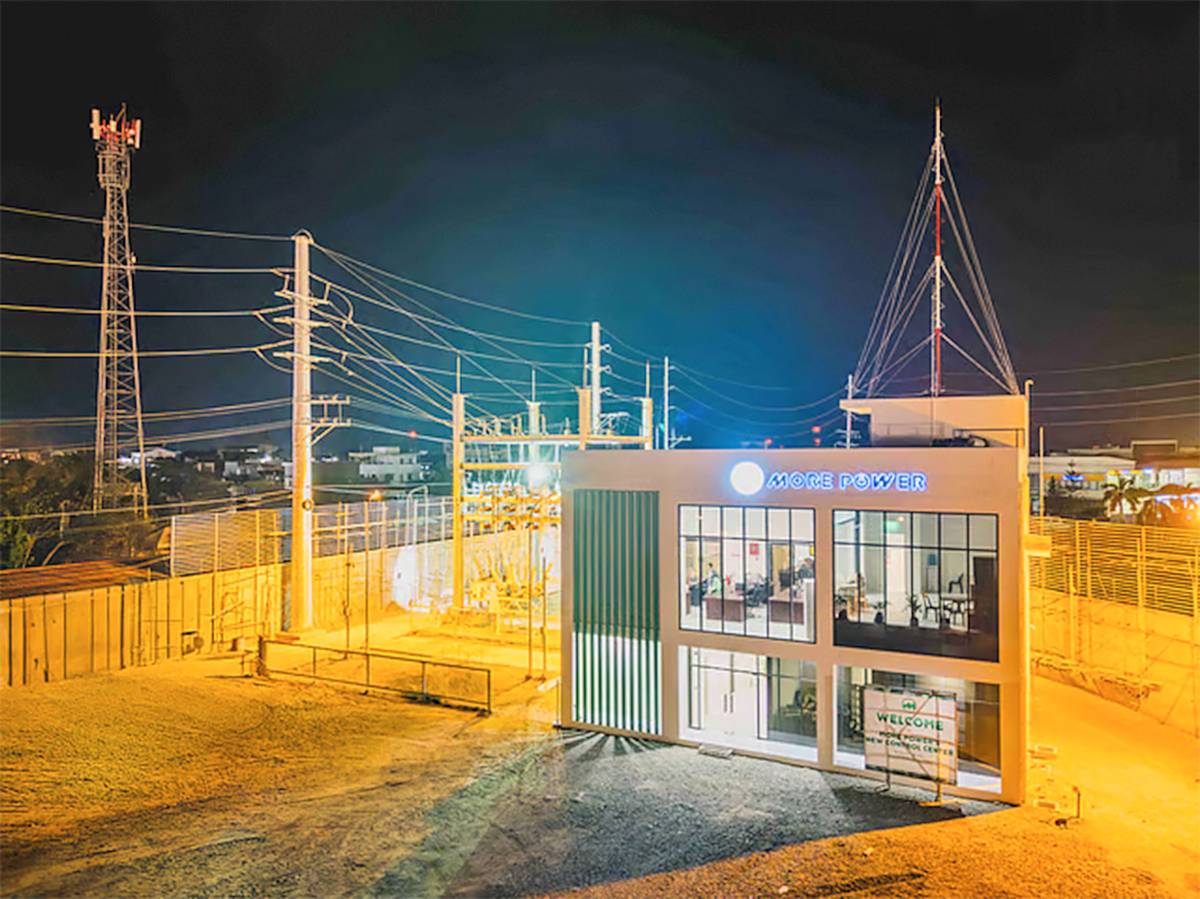
Projects scheduled through 2026 include the completion of the new 36-megavolt-ampere General Hughes Substation, expansion of the Lapaz warehouse complex, additional transformer capacity at the Megaworld Substation, construction of a 69-kilovolt sub-transmission line, full SCADA remote access and control capabilities, and new substations planned in San Miguel and Leganes.
The company is likewise developing additional substations to serve rapidly growing areas, including Santa Barbara and San Miguel.
These investments are intended to increase network capacity while supporting commercial expansion across Iloilo’s second and fourth congressional districts, where electricity demand has begun to outpace older infrastructure.
MORE Power is also positioning the grid for the country’s energy transition.
The digital network is designed to accommodate greater integration of rooftop solar and other distributed renewable energy resources while the utility expands its procurement of renewable electricity in line with national decarbonization goals.
The roadmap envisions pilot projects beginning in 2025, broader data integration in 2026, full rollout in 2027, and a fully operational grid intelligence platform by 2028.
As competition among cities increasingly depends on the quality of infrastructure available to investors, manufacturers, and technology companies, the utility is betting that a resilient, intelligent, and digitally managed electricity network will become a critical foundation for Iloilo’s next phase of growth.