
MOVE IN READY vs PRE-SELLING: What’s actually better for you
Early buyers usually get better unit options such as floor level location layout and view. In property terms, this is control. You choose position before the market limits your choices.


Buying a home is rarely a simple checklist decision. It usually starts with a feeling that something needs to change. More stability. Tired of renting. Thinking about the future in a different way.

BUYING property is about aligning timing with purpose.
PHOTOGRAPHS courtesy of vista land
That is when real estate terms appear. Pre-selling. NRFO. RFO. Ready for occupancy. Move in ready. At first, they sound technical, but they shape everything. Price. Timeline. Lifestyle. Investment return.
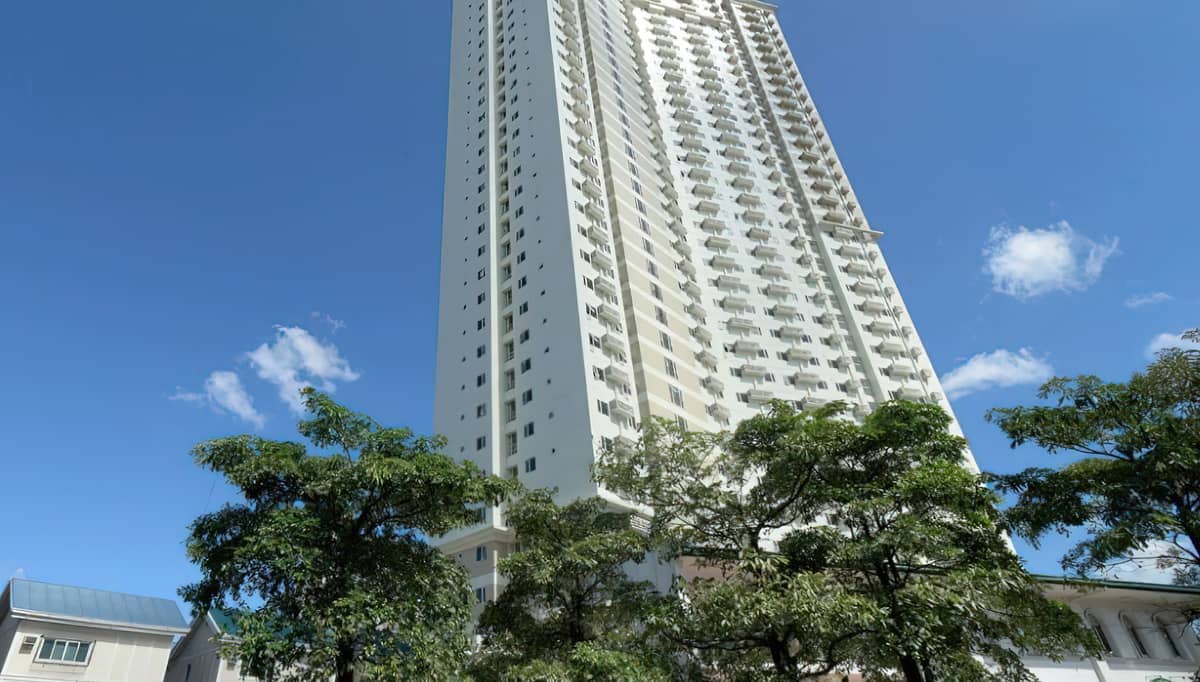
RFO properties, or ready for occupancy, offer a very different experience. These homes are fully built and available for immediate use. What buyers see is the actual unit, not a concept.
PHOTOGRAPHS courtesy of vista land
Understanding them early helps you choose with clarity instead of pressure.
NRFO if you have time
Pre-selling units, also called non-ready-for-occupancy (NRFO) properties are sold before construction is finished. Buyers purchase based on plan layouts and model units instead of an actual finished home.

PRE-SELLING projects typically offer a range of property types, allowing buyers to align their choice with lifestyle needs or investment goals.
PHOTOGRAPHS courtesy of vista land
The main advantage is selection. Early buyers usually get better unit options such as floor level location layout and view. In property terms, this is control. You choose position before the market limits your choices.
The second advantage is pricing. NRFO units are usually sold at lower introductory prices compared to RFO properties. This gives buyers a lower entry point and better capital efficiency.
Developers also offer flexible payment terms. Down payment is spread over months or years which reduces upfront financial pressure. This makes pre-selling attractive for buyers who want time to build equity gradually.
NRFO also carries appreciation potential. Since you enter at a lower price, there is room for value growth while the project is being built. As infrastructure improves and demand increases, the property value may rise by completion.
The tradeoff is time. NRFO requires waiting, which can take months or years. There is also construction risk such as delays or minor changes from original plans. This makes it better suited for buyers who can hold a long horizon.
RFO if you can afford it
RFO properties are fully built and ready for immediate use. What you see is what you get. The actual unit is available for inspection before purchase.
This reduces uncertainty. You can assess space finishes lighting and overall condition in real time. In property terms, this is certainty and speed.
RFO also works well for income generation. Investors can lease the unit immediately after purchase. There is no construction waiting period so cash flow can start right away after turnover and ownership.
RFO properties are usually located in established areas. These include existing transport access, schools, retail zones and utilities. This is known as location maturity, which supports both livability and rental demand.
The tradeoff is cost. RFO units are priced at current market value so entry price is higher. Buyers also face immediate expenses such as furnishing moving and utilities setup. This requires stronger upfront capital readiness.
Pre-selling projects and development strategy
Pre-selling is often part of a larger master-planned community. These developments are built in phases with future amenities still under construction.
In property terms, this is growth positioning. Buyers enter early and grow with the development.
As the project matures and infrastructure completes,market value can increase. This is where appreciation potential is strongest especially in expanding urban areas.
Timing and use case logic
RFO is immediate utility. You can move in or rent out quickly. Pre-selling is delayed utility. You wait, but gain lower entry cost and possible appreciation.
NRFO is not about speed. It is about positioning. Each option solves a different problem. Housing need. Capital growth. Rental income.
There is no single best option between RFO and pre-selling. The decision depends on three variables: Budget capacity, time horizon and purpose of purchase.
If the goal is immediate use or income, RFO fits better. If the goal is long-term growth and lower entry cost, pre-selling is stronger. NRFO sits in between as a forward-looking purchase with patience required.
What matters is understanding what you are paying for now and what you are deferring to the future.
Developers like Vista Land & Lifescapes show how pre-selling and RFO inventory can exist in one ecosystem of planned communities where buyers enter at different stages of development.