
BARMM teacher crisis deepens

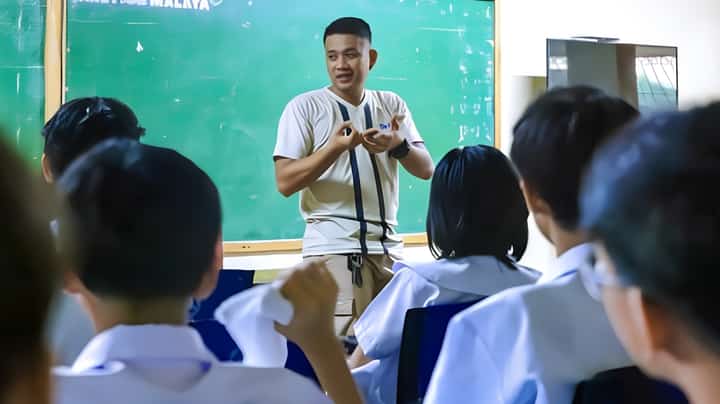
Lamitan City, Basilan — Education stakeholders have renewed calls for major reforms in the recruitment and deployment of teachers across the Bangsamoro region following reports that more than 9,000 teaching positions remain unfilled under the Ministry of Basic, Higher and Technical Education.
The ongoing shortage has raised concerns among educators, school administrators, and community leaders, who warn that thousands of students are being denied adequate access to regular teachers, particularly in remote and underserved communities.
Advocates said the large number of vacant positions has placed significant strain on the region’s education system, forcing existing teachers to handle heavier workloads while schools grapple with larger class sizes and limited instructional resources.
“Decentralization is no longer an option — it is a necessity,” education stakeholders said in a statement, emphasizing the need to transfer certain recruitment and deployment functions to local education offices to accelerate the hiring process and address persistent staffing gaps.
The issue has become increasingly urgent as schools across the Bangsamoro Autonomous Region in Muslim Mindanao (BARMM) continue to face challenges in providing quality education amid teacher shortages. Education leaders noted that geographically isolated and disadvantaged areas are among the hardest hit, with some communities struggling to attract and retain qualified educators.
Mentors spell difference
Meanwhile, Myrah Mangkabung underscored the importance of ensuring every learner has access to competent, dedicated teachers.
“Our students deserve qualified, committed, and motivated teachers in every classroom,” Mangkabung said. “Addressing teacher shortages and improving recruitment and deployment mechanisms are essential to strengthening educational quality and ensuring that no child is left behind.”
She stressed that empowering local education offices and streamlining personnel processes could help resolve long-standing delays in teacher deployment, particularly in hard-to-reach areas where vacancies often remain unfilled for extended periods.
Education officials and advocates believe that devolving certain administrative functions to local divisions would enable faster hiring decisions and allow authorities to respond more effectively to the specific needs of schools and communities facing the most severe shortages.