
Life beneath: Inside Manila’s underground community
For many families, survival beneath the highway has become a life shaped by uncertainty and constant adaptation.

For years, Manila has been known for its sprawling slum communities, where residents continue to face overcrowding, poor sanitation, disaster risks, and limited access to basic services. Despite these conditions, many communities remain defined by resilience, strong social ties, and thriving informal economies.
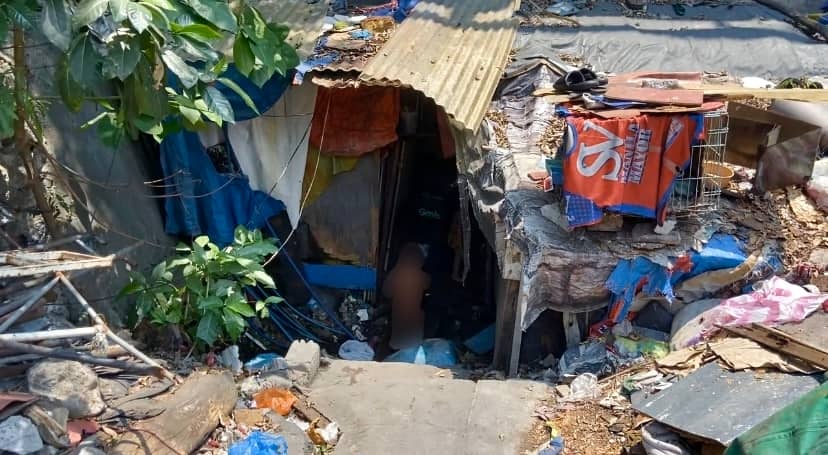
Beneath the constant rush of vehicles along Osmeña Highway in Malate, Manila, dozens of informal settler families have built a community underground.
Hidden inside what residents call the “Osmeña tunnel” in Barangay 738, families navigate daily life amid unstable living conditions, poverty, and environmental hazards.
According to residents, more than 50 families once lived underground, including others staying beneath the nearby creek across the highway. The underground settlement stretches across portions of Barangays 738 and 799. For many families, survival beneath the highway has become a life shaped by uncertainty and constant adaptation.
Life underneath
Andrea Adriano
For residents, the harsh conditions underground have become part of daily life, with extreme heat emerging as one of the community’s biggest challenges.
The lack of ventilation inside the tunnel traps heat beneath the highway, making temperatures especially unbearable during the summer months and periods of El Niño.
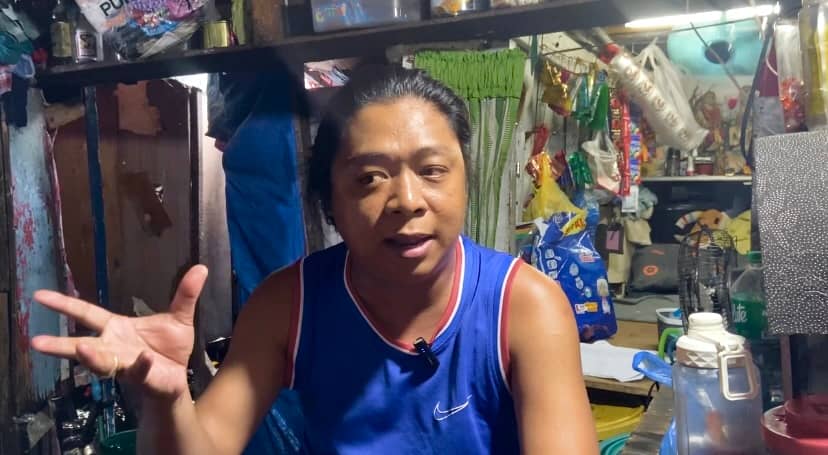
Jaya Vergara, who has lived underground for three decades, said residents continue to endure the conditions because they have few alternatives, even as they hope for government intervention.
“Number one is the heat, especially during summer and at night, the heat becomes worse because the heat from the top of the highway goes down here,” Vergara said.
Despite the difficult conditions, many families remain in the settlement due to the lack of affordable housing.
“The reason why we are staying here? We don't have a choice. Because this is a free house. The water is free,” she added.
Unlike ordinary residential communities, the underground settlement has little air circulation, leaving residents struggling through sleepless nights caused by intense heat.
While Manila regularly experiences heavy rains during the wet season, residents said rising temperatures linked to climate conditions have become increasingly difficult to manage.
Facing the floods
Andrea Adriano
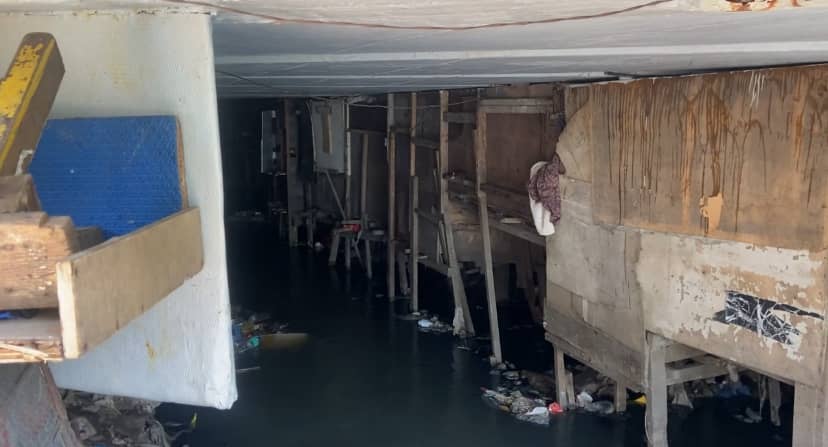
Beyond the heat, flooding remains another constant danger inside the tunnel.
Whenever heavy rains hit Manila, water levels underground rise rapidly, forcing families to move belongings to higher areas.
Vergara said longtime residents have learned to monitor weather patterns and rising water levels to prepare for incoming floods.
“We already know the measurement or speed of flooding,” Vergara explained, translated into English, adding that families immediately prepare once the rain intensifies.
During severe flooding, some residents temporarily transfer to elevated areas nearby while waiting for floodwaters to subside. In extreme situations, local authorities and social welfare agencies conduct rescue and evacuation operations.
Still, many families continue living underground because they have nowhere else to go.
Unity below ground
Jaya Vergara
Andrea Adriano
Despite poverty and environmental risks, residents say solidarity remains one of the strongest foundations of their community.
As one of the settlement’s community leaders, Vergara said neighbors help organize activities, settle disputes peacefully, and support one another during difficult times.
“What we love here is our unity,” she said.
“Even in this situation, we are united,” she added.
Residents often come together during emergencies, especially during floods and extreme weather, reflecting years of shared struggle and cooperation. For many families beneath Osmeña Highway, community support has become essential to survival.
Hidden in plain sight
Andrea Adriano
The underground settlement gained wider public attention after American vlogger Drew Binsky featured the tunnel in a YouTube video posted in February 2026.
Several foreign vloggers have since documented the community to raise awareness about the residents’ living conditions and call attention to their situation.
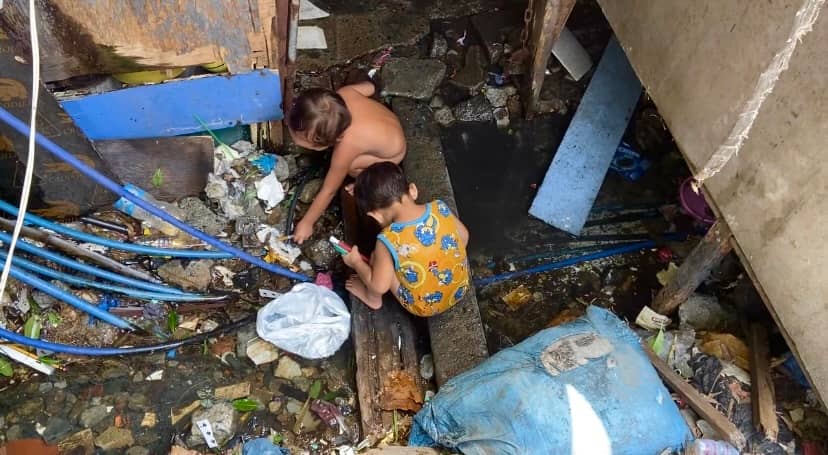
In Binsky’s vlog, a former resident guided him through the tunnel and described the dangers residents face, particularly during the rainy season when water leaks and runoff flow into the underground community.
The former resident explained that many families chose to live underground because of the high cost of housing. Despite having stable jobs, some residents remain in the settlement because of the availability of free shelter and water.