
DANAOS Projects and the technology redefining construction

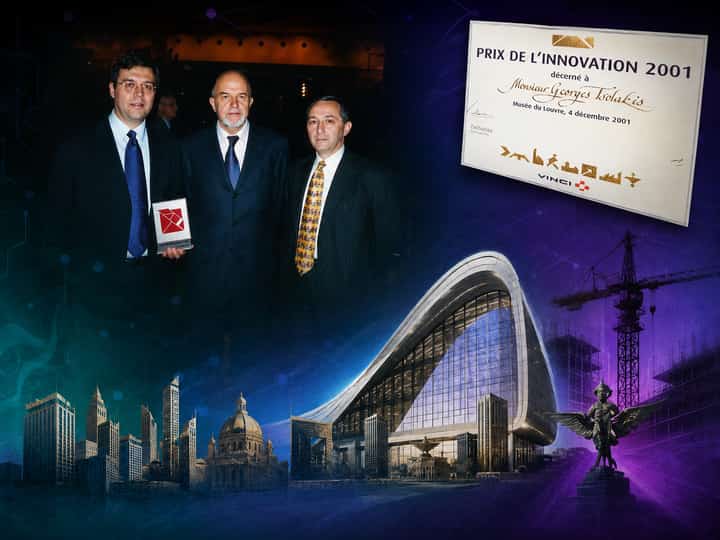
CONSTRUCTION is entering a new era where real-time data and intelligent systems are becoming as essential to project success as concrete, steel, and manpower.
Photos courtesy of DANAOS Projects
Construction sites have long been associated with concrete mixers, towering cranes, and workers moving across busy project grounds. Today, another force is quietly changing the industry from behind computer screens and digital dashboards. Technology is reshaping how construction businesses plan, monitor, and execute projects, shifting operations from manual coordination toward data-driven decision-making.
As infrastructure projects become larger and more complex, contractors are facing increasing pressure to keep schedules on track, control costs, and manage multiple moving parts simultaneously. This has driven a wider industry shift toward digital construction systems that can connect information from different departments into one operational ecosystem.
One example of this transition is DANAOS ProjectVIEW ERP, a construction-specific enterprise resource planning platform developed by Dubai-based DANAOS Projects Software Solutions LLC. Unlike conventional ERP systems that were originally built around manufacturing or finance, the platform was designed specifically around the operational needs of construction and engineering environments.
The difference reflects a broader change happening across the industry. Construction companies are increasingly moving away from isolated systems where procurement teams, project managers, engineers, and finance departments operate independently. Instead, technology creates interconnected environments where information can be shared and analyzed in real time.
ProjectVIEW ERP integrates processes such as estimation, procurement, budgeting, cost management, subcontractor administration, accounting, human resources, and project execution within a centralized platform. Through its project-centric structure linking Bill of Quantities, Work Breakdown Structure, and cost codes, project teams can compare planned and actual performance throughout different stages of construction activity.
The value of such systems extends beyond organizing data. Digital platforms are increasingly becoming operational intelligence tools that can help companies identify patterns and anticipate potential issues before they affect project delivery.
The platform's AI cognition layer reflects this shift. By combining ERP-structured information with artificial intelligence capabilities, project teams can gain predictive insights and contextual analysis across the project lifecycle. Rather than simply recording what has already happened, technology is beginning to help construction firms forecast what could happen next.
This direction mirrors wider trends across global infrastructure markets where digital construction lifecycle management is becoming more prominent. Integration with systems such as Oracle Primavera P6, Microsoft Project, and Building Information Modeling applications shows how construction technology is increasingly centered on interoperability and connected workflows.
The transformation is also reaching regional markets. DANAOS expanded into Southeast Asia through a Manila office following the adoption of ProjectVIEW ERP by EEI Corporation, one of the Philippines' leading publicly listed construction firms.
While concrete and steel remain the physical foundations of infrastructure, technology is increasingly becoming the invisible framework supporting modern construction. The future of building projects may no longer rely solely on what rises above the ground, but also on the intelligence operating behind the scenes.