
Fake Marcos death posts traced to VP supporters
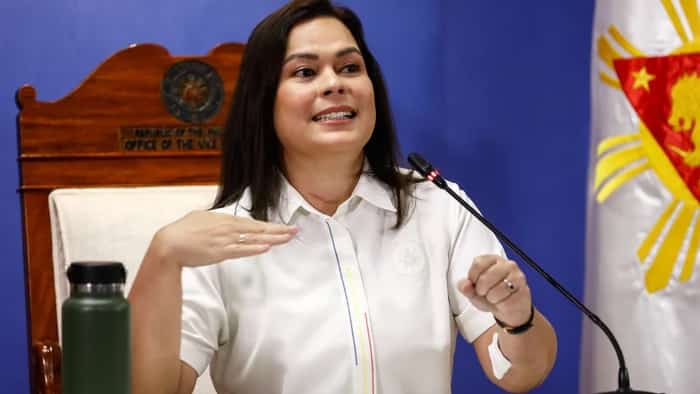
Supporters of Vice President Sara Duterte were allegedly among those amplifying online rumors that President Ferdinand Marcos Jr. was paralyzed, terminally ill, or dead, fueling a wave of disinformation that the government described as a threat to national stability.
On Facebook, TikTok and X, edited videos, recycled photographs, and false medical claims spread rapidly following Marcos’ brief hospitalization in January for diverticulitis.
Fact checkers of Agence France-Presse tracked hundreds of posts claiming Marcos was incapacitated or had secretly died as the Marcos-Duterte alliance unraveled.
Last month, Marcos performed jumping jacks and jogged to his office before reporters and cameras in an attempt to dispel the rumors.
The controversy revived memories of the secrecy surrounding the health of his father, former President Ferdinand Marcos Sr., who suffered from kidney disease in the final years of his rule.
Earlier, former broadcaster Jay Sonza posted an old photograph of a Philippine flag flying at half-staff, further fueling speculation online.
Weeks later, agents of the National Bureau of Investigation arrested Sonza on charges of cyberlibel and unlawful publication over allegedly fabricated medical records of the President.
Officials also warned Meta, Facebook’s parent company, that “panic-inducing” online content posed “a direct and escalating threat to public order, economic confidence, and national security.”