
DA boosts drought defenses
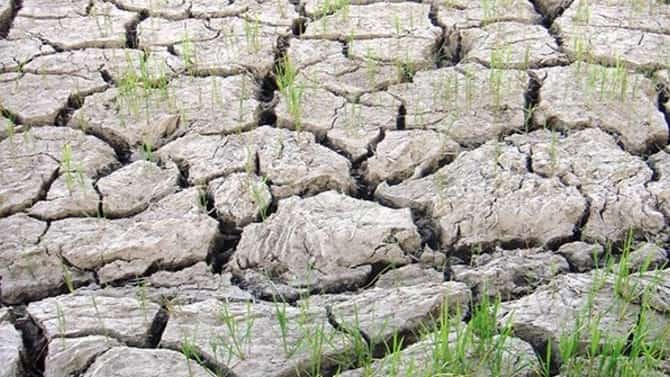
The Department of Agriculture (DA) is intensifying preparations for a potentially severe El Niño event as officials warn that prolonged dry conditions could sharply reduce farm output and further strain the country’s food supply.
Agriculture Secretary Francisco P. Tiu Laurel Jr. said the government is moving early to cushion the impact on both farmers and consumers after lessons learned from the 2024 drought episode.
The DA is now strengthening measures aimed at reducing crop losses, stabilizing food supply, and protecting farmer incomes amid forecasts of another strong El Niño cycle.
“What we learned during the 2024 El Niño will guide how we prepare and intervene this time around,” Tiu Laurel said.
The agency said mitigation efforts include promoting less water-intensive crops such as munggo in drought-prone areas, expanding the use of solar-powered irrigation systems, introducing low-cost greenhouse technology, and encouraging earlier planting schedules.
Officials are also ramping up interventions under the National Rice Program and the Rice Competitiveness Enhancement Fund to shield rice farmers from possible production losses.
These include the distribution of climate-resilient seeds, fertilizer support, farm machinery, irrigation assistance, water-saving technologies, credit access, and expanded farmer training programs.
The DA is likewise conducting irrigation system assessments, climate risk mapping, and localized planning while prepositioning drought-tolerant seeds and farm inputs in vulnerable provinces.
Authorities are also reactivating the government’s El Niño Task Force to strengthen coordination among agencies handling agriculture, water resources, and disaster response.
The renewed preparations come as policymakers confront rising concerns over food security following recent agricultural setbacks tied to inflation, global supply disruptions, and the Middle East conflict.
Agricultural output already contracted by 0.3 percent this year, with declining palay harvests outweighing gains in poultry and livestock production.
Government officials warned that a severe El Niño could slash agricultural production by as much as 20 to 30 percent based on recent studies.
To help secure rice supply in case domestic production weakens, the Philippines and Vietnam recently reaffirmed a supply arrangement allowing Manila to purchase up to 1.5 million metric tons of rice if necessary.
Tiu Laurel, however, stressed that import decisions would still depend on prevailing market conditions and local harvest performance.