
A tragic history behind ‘The King’s Warden’
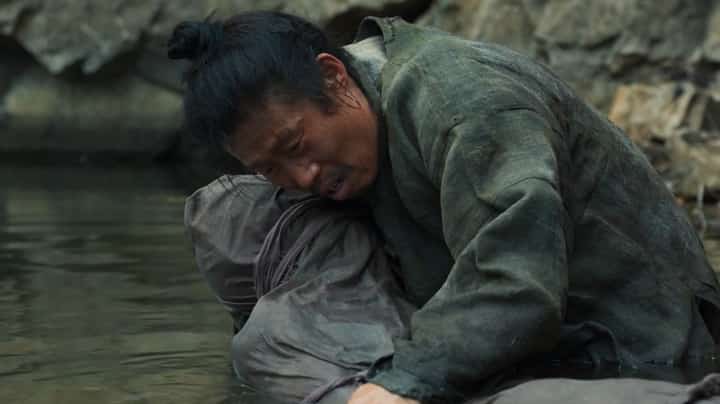
What begins as a humorous tale of a desperate village trying to attract an important political exile gradually transforms into an emotional story about devotion, sacrifice and humanity. As conspiracies and assassination plots unfold, Heung Do becomes one of the few people willing to remain by Nosan’s side until the very end.

PARK Ji Hoon as
King Danjong.Jang Hang Jun’s record-breaking film The King’s Warden is a stark reminder that blood is not always thicker than water.
Set during one of the darkest chapters of the Joseon Dynasty, the historical drama film follows the exile of the young King Danjong (Joseon’s sixth monarch) to Yeongwol after he was dethroned by his uncle, King Sejo. At the center of the story is village chief Um Heung Do, who initially sees the arrival of a royal exile as an opportunity to bring fortune to his struggling town. But as he witnesses the fear, loneliness and injustice surrounding the fallen boy king, his motivations slowly changed.
Heung Do relentlessly attempts to persuade officials to send the exiled royal to their remote village. Surrounded by the Donggang River on three sides and steep cliffs on the other, the isolated village functioned as a natural prison accessible only by a raft.
Historically, however, Danjong, who was demoted to Lord Nosan on his exile, did not remain in Cheongnyeongpo throughout his exile. According to the Joseon wangjo sillok (The Veritable Records of the Joseon Dynasty), severe flooding struck the area in the summer of 1457, forcing the young king to relocate to Gwanpungheon, a guesthouse attached to Yeongwol’s government office near the town center. He stayed there until his death several months later.
While the emotional connection between Lord Nosan and Heung Do forms the heart of the film, no historical record confirms a personal relationship between the two. The deep friendship and unwavering loyalty portrayed onscreen are fictionalized additions created for dramatic effect.
Still, the Sillok does confirm that Heung Do risked both his life and his family’s safety to recover and bury Nosan’s body. When the king’s tomb was rediscovered during the reign of King Sukjong, it was found to be small, hidden and surrounded by ordinary graves — far removed from the grandeur of a royal burial.
The exact circumstances surrounding Nosan’s death remain heavily disputed. Later chronicles, including the Sukjong Sillok, suggest that poison was sent to Yeongwol and that the former king was executed rather than dying by suicide. Folk traditions and later retellings offer differing versions of the tragedy, but historians generally agree that Nosan died in exile at only 16 years old.
Though she never appeared in the film, another tragic figure quietly lingers over the story: Queen Jeongseon Song (1440–1521), Nosan’s wife. Born in Jeongeup in present-day North Jeolla Province, she became queen at the age of 15. Just a year later, after Nosan was forced to abdicate in favor of King Sejo, she was demoted and renamed Queen Indeok. Her reign lasted only one year and six months, and she spent the rest of her life mourning her husband until her death at the age of 81.
It was not until 1698, during King Sukjong’s reign, 232 years after Nosan’s death, that the state officially restored his royal title. The historical record was revised from Nosangun ilgi to Danjong sillok, while those who remained loyal to the fallen king were formally honored.
As historical fiction, The King’s Warden takes creative liberties, blending folklore, history and imagination into a deeply emotional retelling of a national tragedy. Anchored by Yoo Hae Jin’s powerful performance as Heung Do and Park Ji Hoon as the young King Danjong, the film has resonated with audiences not only for its heartbreak but also for its enduring message about loyalty, dignity and compassion in the face of betrayal.
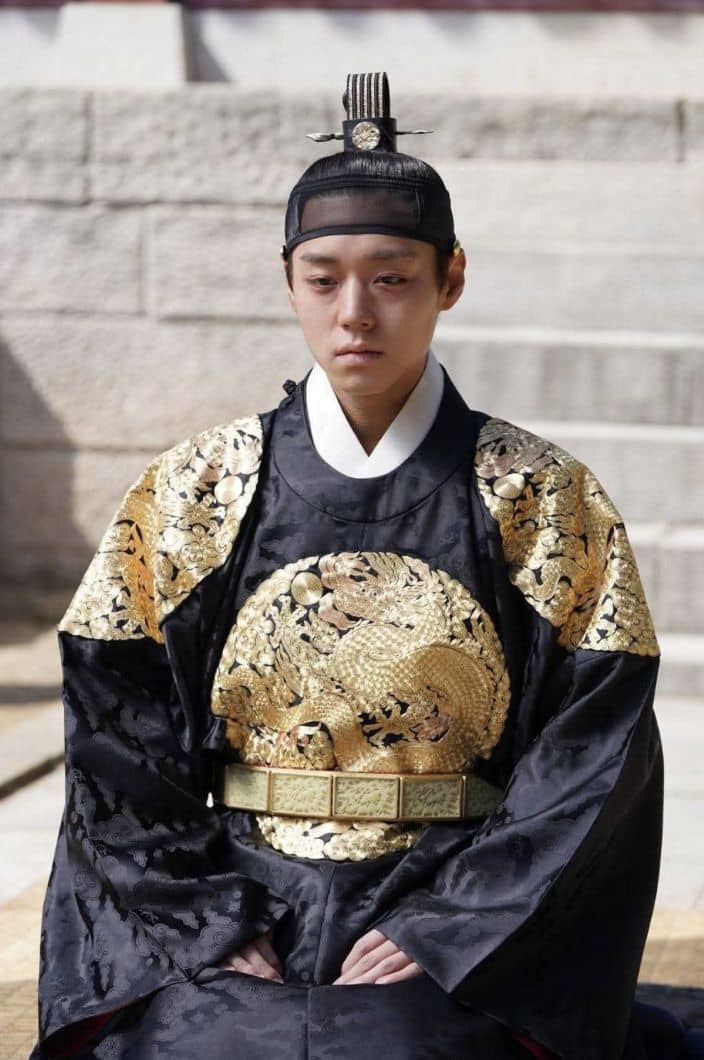
PARK Ji Hoon as King Danjong.
PHOTOGRAPHS COURTESY OF SHOWBOX