
ADB backs Philippine response, sees growth resilience
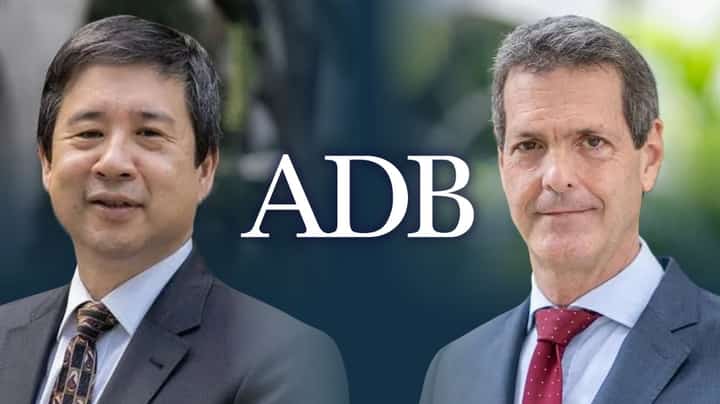
Officials from the Asian Development Bank (ADB) lauded the Philippine government’s response to the energy crisis while maintaining optimism about the country’s growth prospects moving forward.
“I think the very early action and taking this very seriously was very commendable. It’s a challenging situation—this is an external shock, not caused by any internal forces—and the tools the government can use to address this shock, they have utilized as widely as they can,” ADB Country Director Andrew Jeffries said in a Tuesday interview.
The Metro Manila-headquartered multilateral lender previously reported that the Philippines has rolled out one of the most extensive policy responses in the Asia-Pacific region to cushion the impact of rising oil prices and supply disruptions caused by the Middle East conflict. These measures include fuel subsidies, targeted cash transfers, and support for the transport sector, reflecting a broad and coordinated response to the global energy shock.
“I think the government has been very prudent in handling this. The subsidies in place are targeted and are directed to the most vulnerable people affected by this crisis,” Jeffries added.
The conflict’s escalation at the beginning of March has pushed headline inflation sharply higher, reaching a three-year high of 7.2% in April. The surge in fuel and transport costs, alongside rising food prices, prompted the Bangko Sentral ng Pilipinas (BSP) to implement a 25-basis-point rate hike last month.
Jeffries described the BSP’s move as “a modest one, to try to stay ahead a little bit of the rising inflation.”
In a separate report, ADB revised its Philippine growth forecast to 4.4% for 2026, a 0.9-percentage-point downgrade from its earlier estimate. Across developing Asia and the Pacific, growth is expected to moderate to 5.1% in both 2026 and 2027, with the bank warning that prolonged energy market disruptions could shave up to 1.3 percentage points off regional growth.
Despite these risks, ADB Chief Economist Albert Park emphasized the region’s resilience.
“At the same time, both for the Philippines and most countries in the region, we shouldn’t discount their prospects too quickly,” he said on the sidelines of the ADB Annual Meeting in Samarkand, Uzbekistan.
“The Philippines is making significant investments in infrastructure and renewable energy, so I think they’re on the right track.”
ADB has also introduced new initiatives to support member countries amid ongoing uncertainties. These include an emergency financing facility designed to provide rapid access to funds during crises, allowing governments to repurpose existing resources for immediate relief and early recovery, with access possible within as little as 24 hours.
In addition, the bank unveiled a $70-billion program to strengthen cross-border power grids and digital infrastructure across Asia and the Pacific, aimed at enhancing regional integration and energy security in the face of geopolitical shocks.