
On knife’s edge: U.S.-Iran Ceasefire
The most likely near-term scenario is more of the same: the conditional ceasefire extended pending talks, with almost no shipping through the Strait of Hormuz, occasional skirmishes will continue to test the truce’s boundaries.


Is the ceasefire between the United States and Iran still alive? It is, but only just.
A regional source described the situation to CNN as “very bad and messy,” and the open-ended truce appeared to be stretching to its limit, with little evidence that a negotiated settlement was anywhere near.
Monday’s exchange of fire in the Strait of Hormuz — Iranian missiles and drones targeting US Navy escorts, American destroyers sinking Iranian patrol boats, UAE oil infrastructure set ablaze — was the most serious test yet of a ceasefire held together with tape.
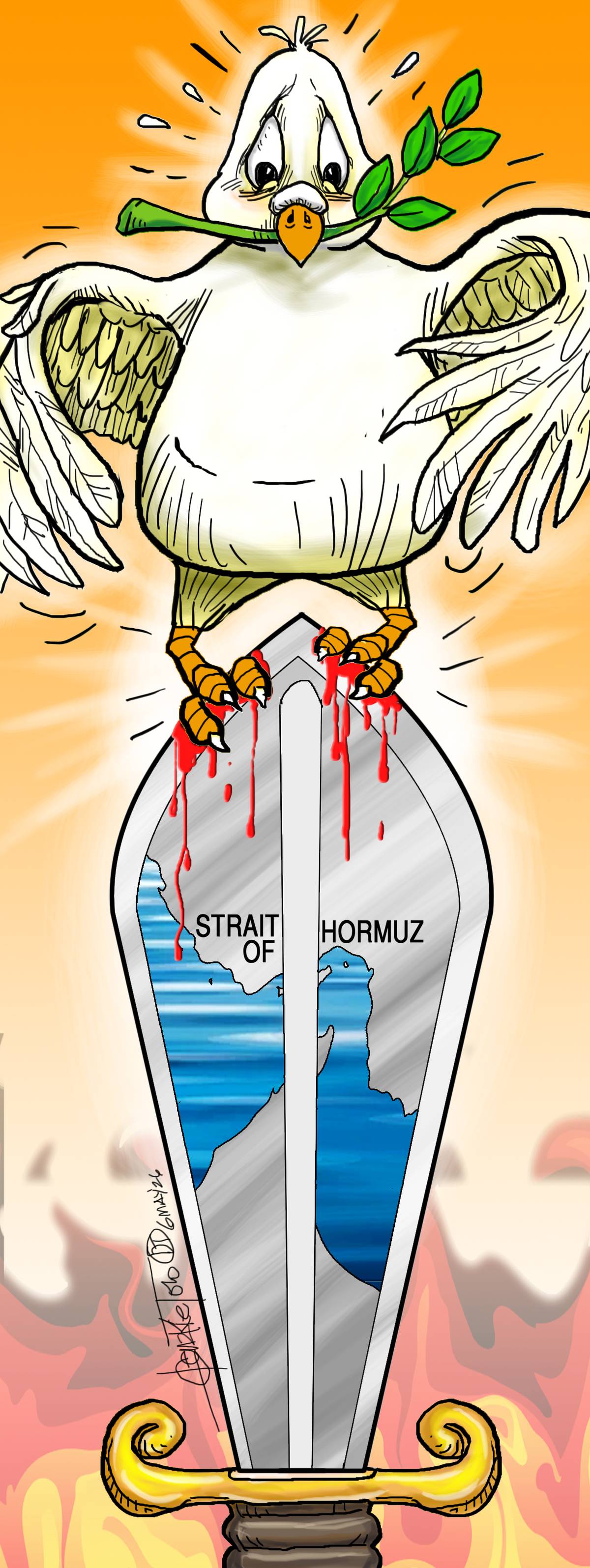
What makes this standoff so volatile is that neither side seems to be fully committed to the peace they both claim to want. The US has conditioned its pause on the “complete, immediate and safe opening of the Strait of Hormuz,” while Iran has described Washington’s counter-blockade of Iranian ports as a prelude to a ceasefire violation.
Neither side has removed its blockade. The result? A war that was formally paused in April but was never really stopped — it merely traded airstrikes for maritime brinkmanship.
For now, Pakistan’s mediation is the slender thread keeping the talks alive. Iran’s latest proposal calls for all issues between the two countries to be resolved within 30 days and aims to end the war outright rather than simply extend the ceasefire.
Trump said he was reviewing the plan but doubted it would yield a deal. That skepticism is mutual and mutual skepticism is precisely what makes these negotiations so fragile.
As for the odds of an early end to the conflict — they are not encouraging. Some of Trump’s allies have encouraged him to resume the bombing inside Iran, arguing that the US has already weakened the regime and insisting the time was ripe to further degrade its military capabilities.
Meanwhile, Tehran is under its own domestic pressures, with its parliament reportedly preparing legislation to legally formalize Iranian sovereign control over the Strait of Hormuz and impose tolls on foreign vessels.
Both governments are playing to internal audiences that reward defiance over compromise.
The global economic consequences of a continued stalemate are already biting hard. Energy experts have warned that the US is likely only weeks away from averaging five dollars per gallon for gasoline nationwide, and as one senior analyst put it, “There’s nothing that can replace Hormuz output.”
The closure of the strait has not only restricted the global flow of oil but also disrupted the delivery of humanitarian aid, with warnings that food insecurity in vulnerable countries could deteriorate into famine-like conditions if the waterway stays shut.
The most likely near-term scenario is more of the same: the conditional ceasefire extended pending talks, with almost no shipping passing through the strait and the waterway remaining effectively closed.
Occasional skirmishes will continue to test the truce’s boundaries. Major shipping lines have made clear they will not risk their vessels until there is a durable, agreed settlement — not a political announcement made from a golf course in Florida.
Trump himself drew an inadvertent historical comparison when he noted that the Vietnam War took 19 years, Iraq a decade and Korea seven. The implied message: Patience.
In the meantime, the world’s energy markets, the stranded tanker crews in the Gulf and the millions of people dependent on affordable fuel and food do not have the luxury of patience.
The ceasefire is holding — for now. But the margin for error has never been thinner.