
Hands-off no more?
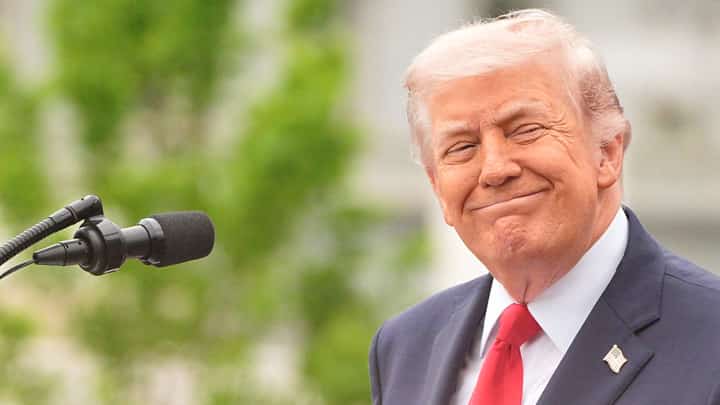
The United States is considering new oversight measures for artificial intelligence (AI), marking a shift from its earlier hands-off approach as concerns grow over the technology’s risks, according to a report by The New York Times.
Discussions inside the White House include the possible creation of an AI working group composed of government officials and tech executives. One proposal under review is a formal system to assess new AI models before or shortly after release, particularly those with potential cybersecurity or military implications.
The move signals a notable change in direction. The current administration had previously favored minimal regulation to accelerate innovation and maintain an edge over China. But rising concerns over job displacement, privacy, and security vulnerabilities have pushed policymakers from both parties toward exploring safeguards.
The urgency has been amplified by increasingly powerful AI systems. One recent model developed by Anthropic was deemed too sensitive for public release due to its ability to detect software vulnerabilities, raising fears of misuse in cyberattacks.
Officials are now weighing how to balance innovation with risk, as too much oversight could slow development while too little could leave governments exposed to emerging threats.