
Metro Pacific Water sets P3.81B capex as El Niño risk looms
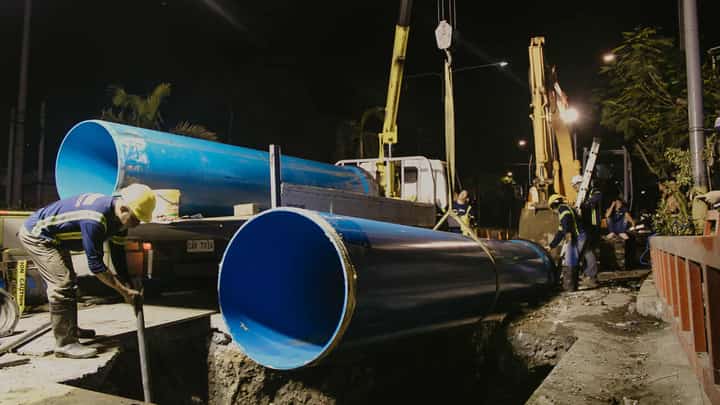
Workers of Metro Pacific Iloilo Water replace old pipelines in Jaro, Iloilo City as part of the utility’s capital expenditure program.
MPIW
Metro Pacific Water (MPW) has set aside a P3.81-billion capital expenditure (CAPEX) program for the year as it bets on infrastructure upgrades and new water sources to cushion supply risks as the El Niño season approaches.
The company said Thursday that the planned outlay targets Dumaguete City and Iloilo City, where rising demand and climate-driven strain on traditional sources are tightening supply conditions.
“We recognize that demand continues to grow at a time when traditional water sources are becoming increasingly strained due to extreme climate conditions.
These investments are being made today so our customers will not have to bear the burden of shortages tomorrow,” MPW President and CEO Andrew Pangilinan said.
According to MPW, projects this year include new pipeline installations, replacement of aging and undersized pipes, and the rollout of 86,073 additional service connections to expand coverage.
The company is also stepping up efforts to cut non-revenue water, a persistent drag on utilities, through measures to reduce leaks, illegal connections, and system losses, which are expected to improve pressure and overall service reliability.