
Quiet squeeze

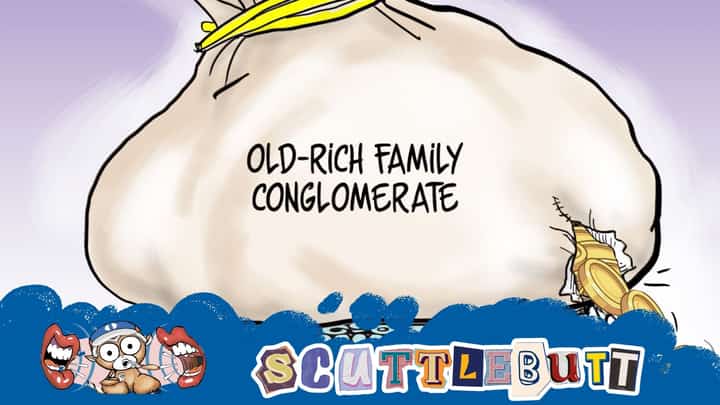
An old-rich family conglomerate has a pressing dilemma. On one side sits the market’s clear expectation of a mature business built on staples and steady cash flows, with decades of retained earnings, still-decent liquidity, and generations of shareholders accustomed to reliable payouts.
On the other side sits the harsher industrial reality of its actual operations: liquidity has begun to decline, cash generation has noticeably weakened, capital-expenditure demands have not gone away, and the usual pressures, raw-material volatility, intensifying competition, the need to keep plants technologically current, and the constant launch of new products to stop flagship brands from fading, remain unrelenting.
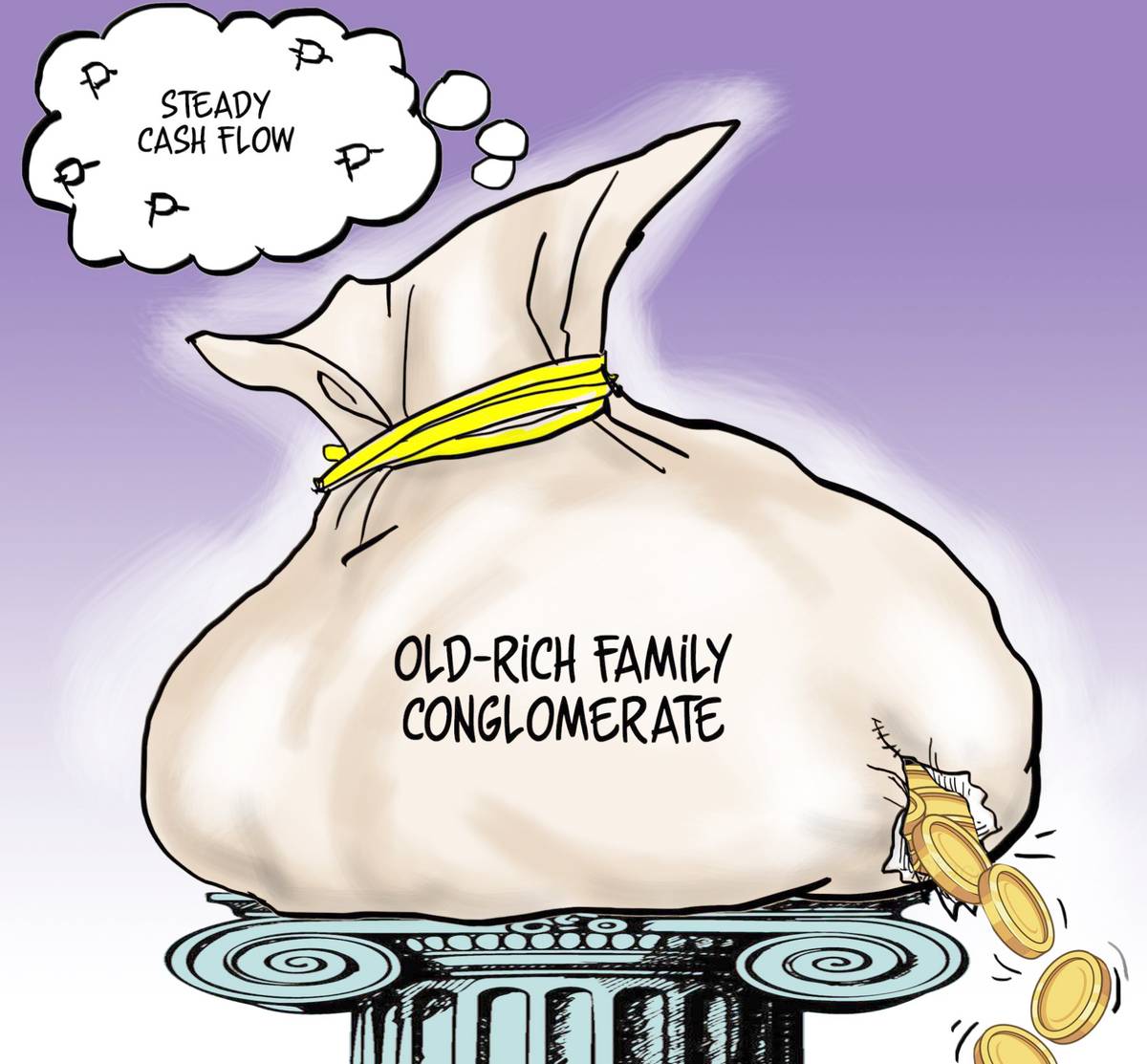
The real danger is not a sudden choice between generosity and survival. It is the slower, more insidious risk of too much generosity right now quietly eroding the very earning power that has always justified tomorrow’s generosity.
For the moment, the group can still manage both. The balance sheet still offers some cushion. Profits have not disappeared and the controlling family board has not yet been forced into an open, zero-sum trade-off.
Yet the most recent annual disclosures carry an unmistakable undertone: the era of doing everything at once without friction is quietly ending.
If operating cash flow does not rebound meaningfully, or if the next heavy investment cycle lands sooner than hoped, the argument for letting dividend growth outpace genuine business reinvestment will become much harder to sustain.
The old-rich family will have to solve the riddle of strategic choices to keep the conglomerate moving at a comfortable pace.