
What lies beneath Camiguin’s Sunken Cemetery?
I felt the strong urge to head back to shore before light vanished completely; I wasn’t taking any chances. Who knew if the setting might take an entirely different form on my way back? After all, the dead do rest here.

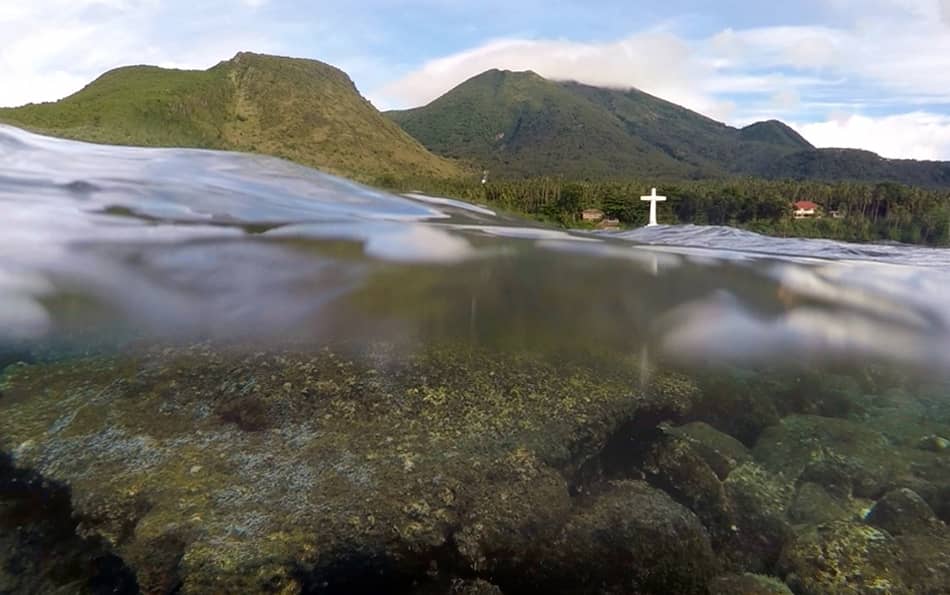
PASIL marine sanctuary.
PHOTOGRAPHS by Gabriel Malvar for DAILY TRIBUNE
I shuddered as I floated on the water. Though there was little to indicate that Pasil marine sanctuary used to be a cemetery save for a couple of submerged tombstones completely overgrown by coral, it finally hit me — I was actually swimming in a graveyard.
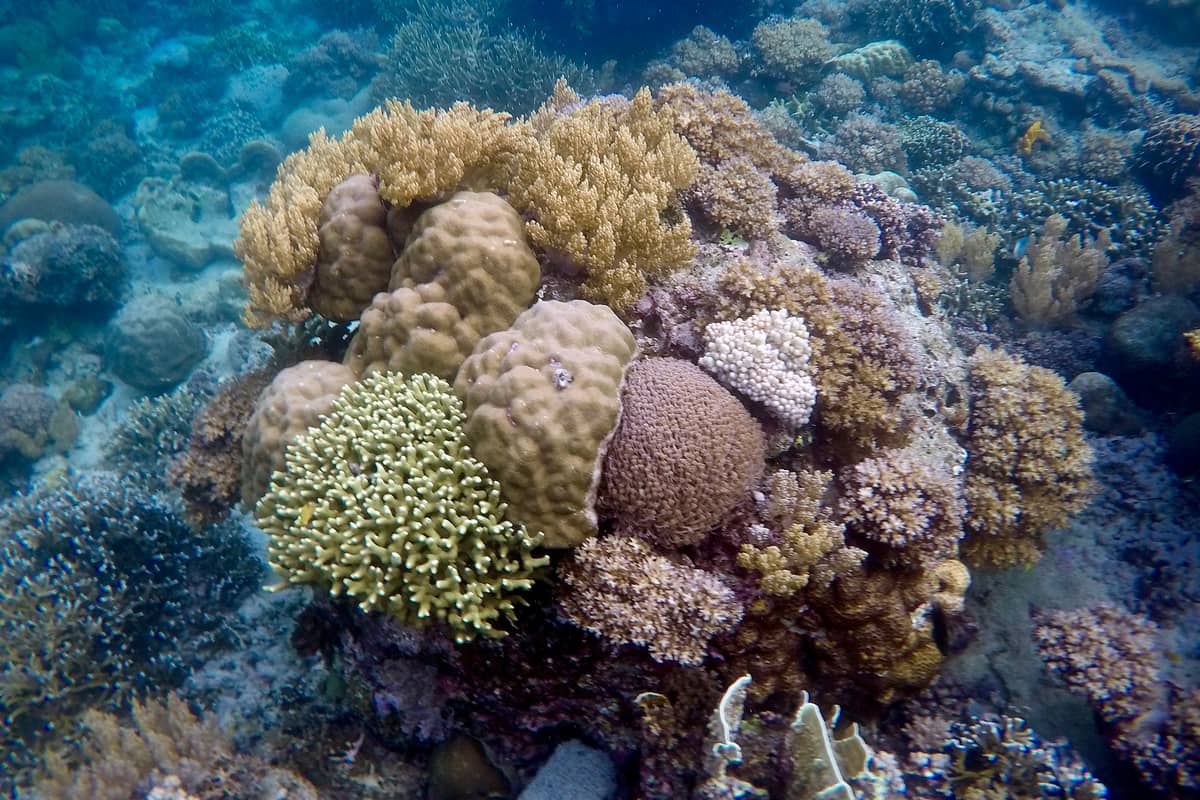
CORALS are dazzling underwater riches.
PHOTOGRAPHS by Gabriel Malvar for DAILY TRIBUNE
A volcanic outburst in the 1870s destroyed Camiguin Island’s seaside settlement of Bonbon and the town’s cemetery had fallen to the sea. The idea that dead people lay under the sand and volcanic rock was alarming; it didn’t matter that the coral was vibrant and pulsating with iridescent fish.
My wild imagination had taken over and I envisioned floundering arms protruding from beneath the sand to reach out for my leg and grab it. And I’d have to kick frantically to break free lest I drown and join the scores of the dead buried there.
But none of my horrid thoughts materialized. Eventually, satiated with the sight of dazzling underwater riches, I shook off the unease and settled into the soothing pace of my snorkeling.
I headed into the direction of the horizon, my curiosity bent toward the original cross brought down by a typhoon further out. Swimming out to the cross was not a direct proposition; I twisted and turned around the labyrinth, soared over varieties of tropical fish, and navigated trenches. The tide had ebbed and, with the water level so low, it took effort and great care to avoid contact with anything in the dense maritime gardens.
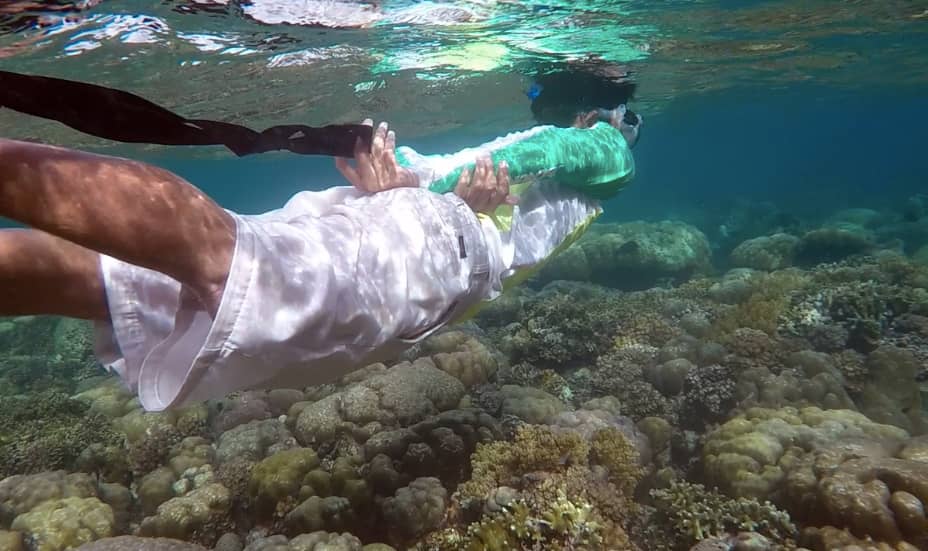
SWIMMING in silence.
PHOTOGRAPHS by Gabriel Malvar for DAILY TRIBUNE
The passage of time had brought about a renaissance; teeming coral had overtaken whatever suggestion of gloom and death that may have lingered. With great visibility beneath the waves came a revelation — a mesmerizing jumble of marine life in reefs riotous with brilliant shades. Giant clams were in a state of bafflement, their mouths ajar and lips smeared blue. Brightly dyed starfish idled away on the sea floor. More colorful species — butterfly fish and damselfish — lurked in the cracks, and then swished past to a different cover. A hodgepodge of sponges and anemone provided a haunt to associated incorrigible clown fish. This was a world to explore. My mood had completely shifted from frightened to galvanized.
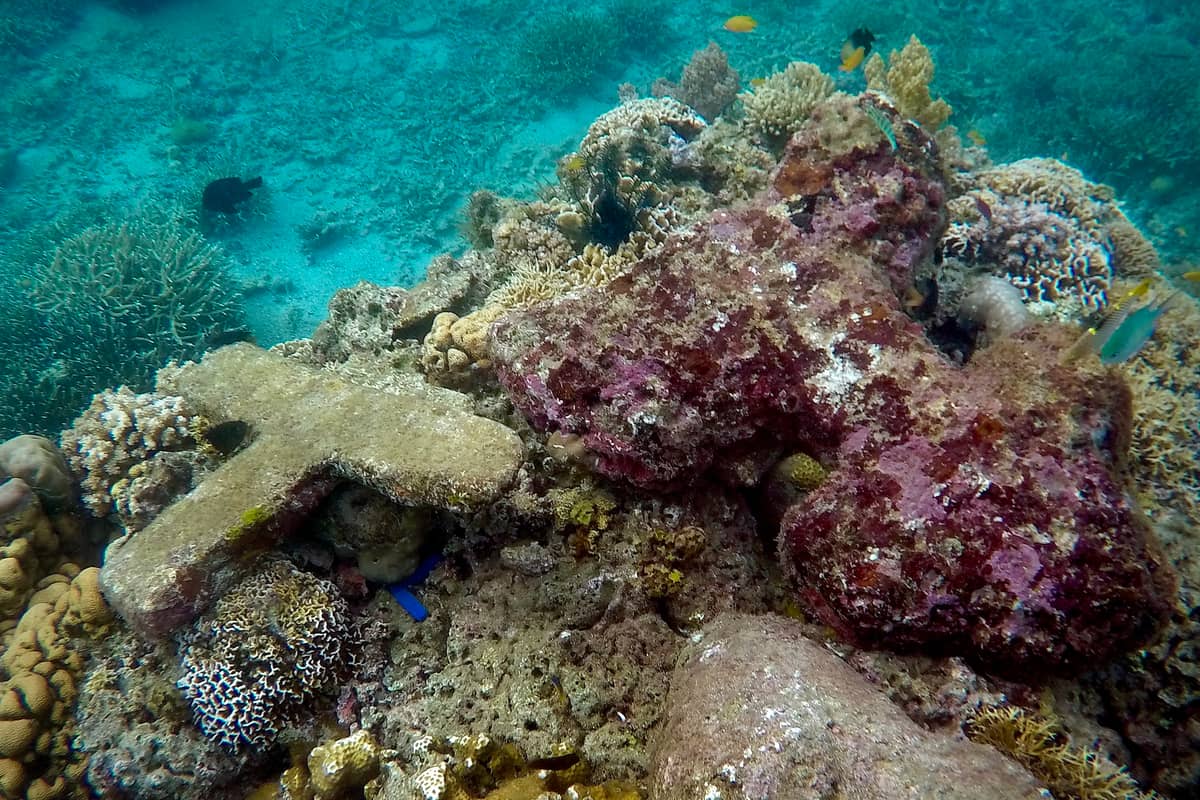
REMNANTS of a cemetary now filled with corals.
PHOTOGRAPHS by Gabriel Malvar for DAILY TRIBUNE
A third of an hour had passed before I realized it, and I found myself at the spot of the old memorial cross. The toppled cement structure lay sprawled on the seabed, now above water as the tide continued to recede. I sat on it, not quite sure if it were sacrilegious to do so. I lifted the mask over my face and viewed the replacement monument in the distance just off the seashore, the base overrun with tourists, set against volcanic peaks and cinder cones — the epitome of the Island Born of Fire. Vestiges of the devastated Gui-ob church lay concealed somewhere within the luxuriant vegetation. This inward perspective was different, an alternative to the typical sunset-laced panorama seen from the opposite end.
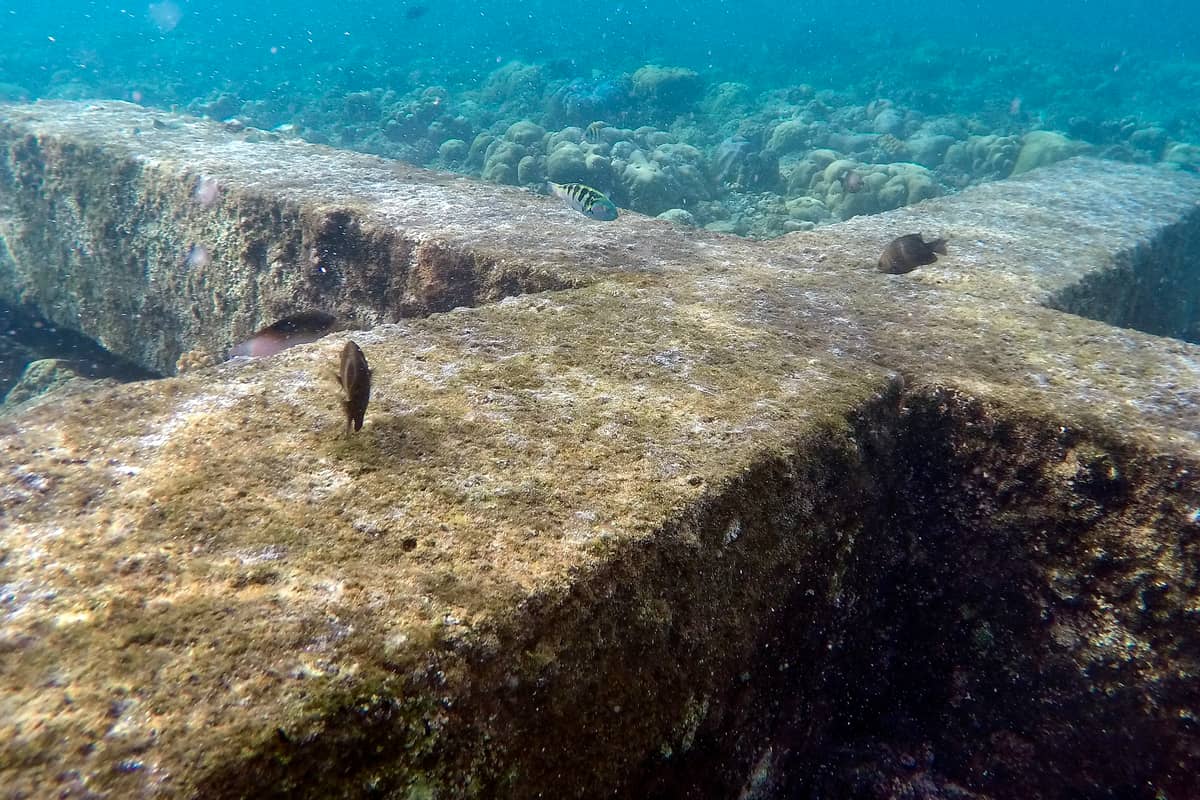
CROSS marks the spot: Was this the memorial cross, I wondered.
PHOTOGRAPHS by Gabriel Malvar for DAILY TRIBUNE
I was intrigued with the purpose of the relatively new massive cross: so much irony, if not different meanings, to be inferred. It stood there as if saying, “Here lies a graveyard.” Was it constructed to indicate the site of the cemetery or as an observance of its demise as the ecosystem recovered?
I would have preferred a smaller monument to mark the site; the imposing edifice called too much attention to itself. Visitors often mistook the cross for the attraction and became preoccupied with it, venturing no further and settling for merely taking photographs of themselves in clever poses with the structure, when the real draw is to be discovered beneath the waves.
Though happy to find my own quiet space, I wouldn’t have minded having a few more people around to frolic in marvel at the lively reefs and hail their remarkable resurrection. But except for the required guide and myself, there was no one else in the water.
I shivered as dusk’s chill came on and began rubbing my arms to stay warm. The last hints of daylight were disappearing at the onset of evening. The day was conquered. Ghosts and night go hand in hand, the eerie notion tiptoed into my consciousness; my imagination had taken over once more.
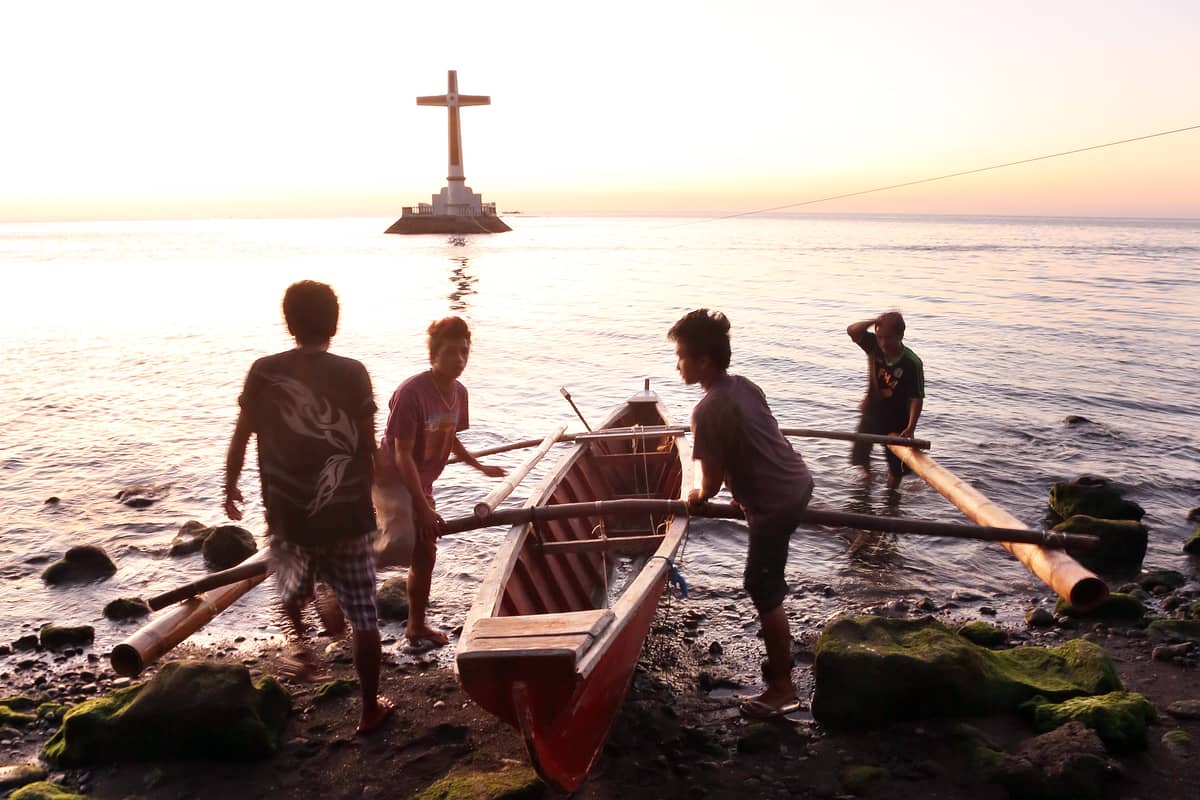
PREPARING to see some ghosts.
PHOTOGRAPHS by Gabriel Malvar for DAILY TRIBUNE
I felt the strong urge to head back to shore before light vanished completely; I wasn’t taking any chances. Who knew if the setting might take an entirely different form on my way back? After all, the dead do rest here.