
Red ink doesn’t know goodwill


A listed holding company, long feted in boardrooms and award galas for its gleaming CSR scorecard, especially its much-publicized push to make quality education available to tens of thousands of students, is quietly learning a painful lesson: social conscience doesn’t always ring the cash register.
In the first nine months of 2025, the group’s revenues slipped to P16.31 billion from P16.98 billion the year before.
Far worse, net income attributable to the parent turned red, a P216.46-million loss, even though consolidated net income stayed modestly positive at P376.04 million. Translation for minority shareholders: the empire is busy, expansive, and socially relevant, yet still failing to deliver meaningful returns to shareholders.
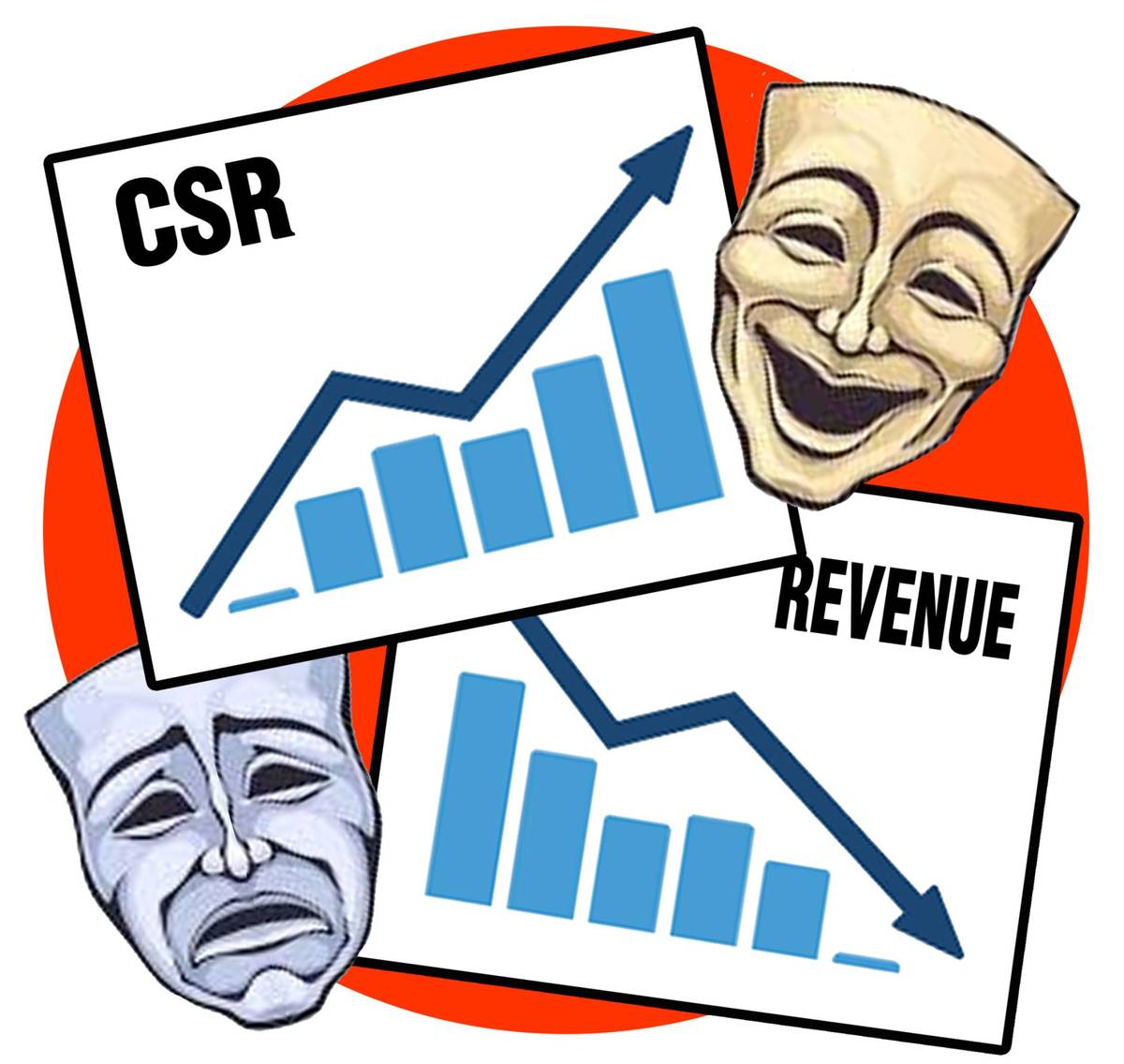
The education arm continues to shine, but that bright spot is being swamped by red ink elsewhere.
Construction materials brought in P9.47 billion, yet still resulted in a P122.09-million loss; the property unit’s P936.17 million in revenues came with a bruising P484.22-million loss.
Soft demand and rising costs are the official excuses — the market’s quieter verdict: the stronger units are subsidizing the weaker ones.
Then there’s the fresh capital call. In late 2024, the company trotted out a P1-billion stock rights offering to fund “expansion.”
By 31 January, it had 336.33 million common shares outstanding. Raising money isn’t a crime until the new pesos keep disappearing into segments that are still bleeding. Investors are now asking the same blunt question in every research note: when, exactly, does all this noble diversification become accretive?
The stock trades at a stubborn discount to book value. Not because the company is collapsing, but because the market is pricing in prolonged execution risk.
Plenty of scale, ambition, and mission statements, but what’s missing is visible, consistent per-share value creation for the people who don’t get invited to the CSR award ceremonies.
Moral of the story? A company can be genuinely admirable in its social footprint and still disappoint where it counts most to public-market investors: the bottom line.