
Fuel surge pushes March inflation to 4.1%, breaching target

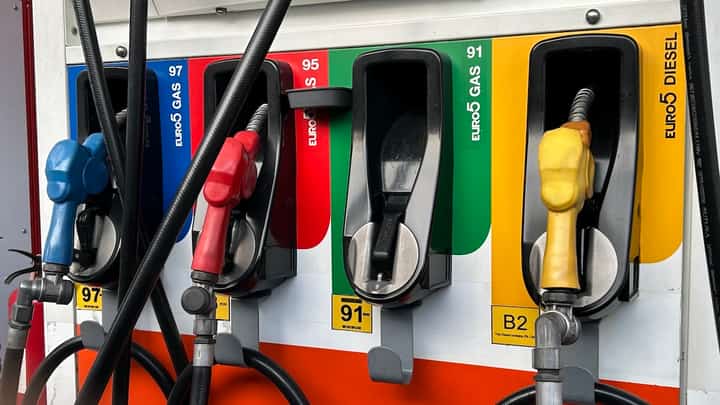
Rising fuel costs pushed inflation beyond the government’s target in March, as transport expenses surged following global oil disruptions linked to tensions in the Middle East.
Data from the Philippine Statistics Authority showed inflation accelerated to 4.1 percent in March from 2.4 percent in February, marking its fastest pace in nearly two years. The figure breached the Bangko Sentral ng Pilipinas’ 2 to 4 percent target band and exceeded market expectations.
The increase was largely driven by transport costs, which jumped 9.9 percent from a 0.3 percent decline the previous month. Fuel prices recorded steep increases, with gasoline rising 27.3 percent and diesel surging 59.5 percent.
National Statistician Dennis Mapa said the spike in transport costs accounted for more than half of the overall increase in inflation.
“The factor that contributed to the higher transport inflation in March 2026 was the increase in prices following the decline in gasoline and diesel prices in February 2026," he said in Filipino.
The rise in fuel prices followed global oil supply disruptions as tensions in the Middle East intensified, affecting key shipping routes.
Food inflation also accelerated to 3.0 percent from 1.8 percent, partly driven by higher rice prices, which returned to positive growth after more than a year of decline.
Core inflation, which excludes volatile food and energy items, rose to 3.2 percent from 2.9 percent, signaling broader price pressures.
Despite the spike, year-to-date inflation remains within target at 2.8 percent, suggesting overall price pressures remain manageable for now.
The government has begun rolling out measures to cushion the impact, including fuel subsidies, emergency oil procurement, and transport support programs.
“The government stands ready to address emerging inflation pressures through strategic, well-targeted, and time-bound interventions, particularly in fuel, transport, and food,” Department of Economy, Planning, and Development Secretary Arsenio Balisacan said.