
From faith to fuel: Modern-day 'Penitencia' in a changing world


“Penitencia,” or penitence, is the operative word during the season of Lent. During this period, the Catholic faithful are encouraged to make sacrifices— fasting, abstaining from worldly pleasures, and observing meatless Fridays.
Some penitents even go to extremes. They flog themselves on Good Friday, and some even have themselves nailed to the Cross.
In recent weeks, however, it has been “penitencia” for everyone. At first, it was felt mainly by motorists, who had to pay a premium for gasoline — especially diesel. Any increase in fuel prices, sadly, also affects the cost of basic commodities. Consumers, therefore, had already been undergoing “penitencia” even before Holy Week began.
This Black Saturday, let us try to set aside the sacrifices brought about by rising oil prices stemming from the Middle East crisis. Of course, that is easier said than done, as reality stares us in the face. For instance, how many of us have had to give up out-of-town trips due to fuel costs? For employees who work nine-to-five jobs, foregoing a Holy Week break in the province can be a real sacrifice.
Yet this is one form of “penitencia” we must endure amid global unrest. Perhaps we can take comfort in reminiscing about the good old days when gasoline in the Philippines cost an unbelievably low 10 centavos per liter.
Below, I asked some seasoned local celebrities to share their Holy Week sacrifices and the traditions they observed during their younger years.
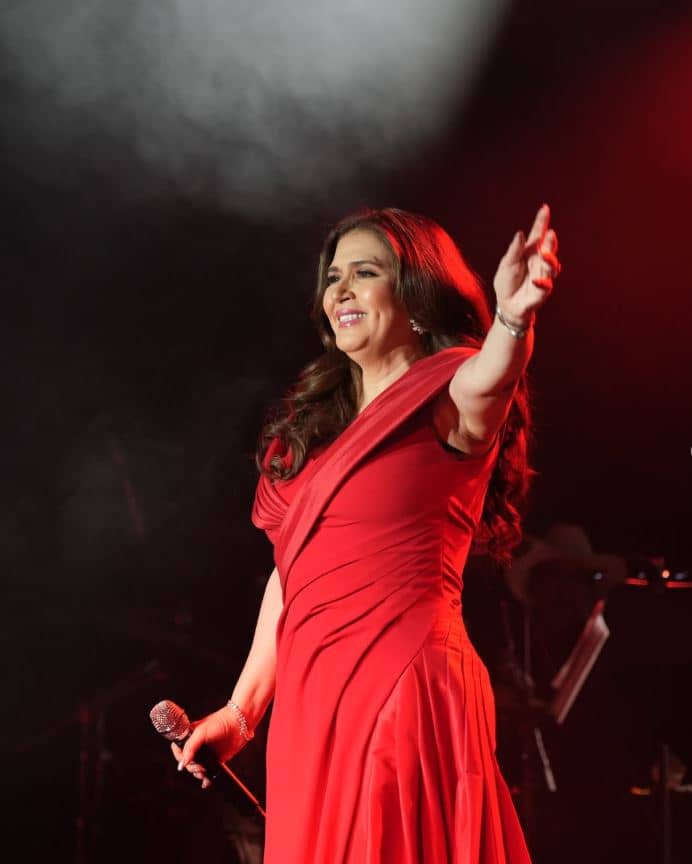
Zsa Zsa Padilla.
Photograph courtesy of IG/gratoncasino
ZSA ZSA PADILLA
Zsa Zsa Padilla grew up on the “mestizaje” side of San Juan — when it was still a town in Rizal and not yet the progressive city it is today under Mayor Francis Zamora. Another mestizo celebrity from the area was Pepe Pimentel, the first-ever Tawag ng Tanghalan champion who later became an iconic game show host.
Zsa Zsa’s family lived on Valenzuela Street, named after Sancho Valenzuela, a businessman-turned-katipunero during the revolt against Spain. For their spiritual needs, they went to Pinaglabanan Church, which stood as a silent witness to the first battle of the Philippine Revolution.
The Padilla sisters must have been a charming sight as they walked to church. Decades earlier, San Juan residents would look out their windows every afternoon to catch a glimpse of the elegant Tita Muñoz on her way to mass. She later became a respected entertainment personality, admired for her sophistication.
Zsa Zsa and her sisters, however, dressed more simply. As young girls, they chose practicality, especially since the church was a 15-minute walk from their home. Still, they enjoyed the sights along the way, including the grand Ejercito mansion, where Joseph Estrada was raised.
During Lent, Zsa Zsa recalls walking to church to pray the Stations of the Cross — all 14 stations depicting Christ’s suffering from condemnation to burial.
Her father, Carlos “Sonny” Padilla Jr., an actor-turned-international boxing referee, is currently in town after decades in Las Vegas. One of their first activities together was revisiting their old San Juan neighborhood. According to Zsa Zsa, it looks much nicer now. They also visited Pinaglabanan Church, which she found “so different — but much more beautiful” than she remembered.

Boots Anson Roa-Rodrigo.
Photograph courtesy of IG/boots anson roa
BOOTS ANSON ROA RODRIGO
The church has always been central to the life of Boots Anson Roa Rodrigo. In 2008, while in France for a film event, she slipped away from the Philippine delegation to pray before the incorrupt body of St. Catherine Labouré at Rue du Bac in Paris.
Despite not speaking French or knowing how to navigate the city, she relied on faith and managed to rejoin her group before the official activities began.
As a child, Boots lived in Santa Cruz, Manila, at the corner of Oroquieta and Malabon Streets, in what was known as the Cristobal Row. Her parish church was Espiritu Santo, located at Rizal Avenue and Tayuman.
She recalls attending Mass there regularly, especially during Lent. One of her fondest memories is the “pa-caridad” (distribution of free food) her family sponsored during Holy Week. They served “sopas” — elbow macaroni soup with minced carrots and evaporated milk — and sometimes “sotanghon.”
This tradition continues today, though instead of soup, packed “mamon” is distributed during Good Friday processions.
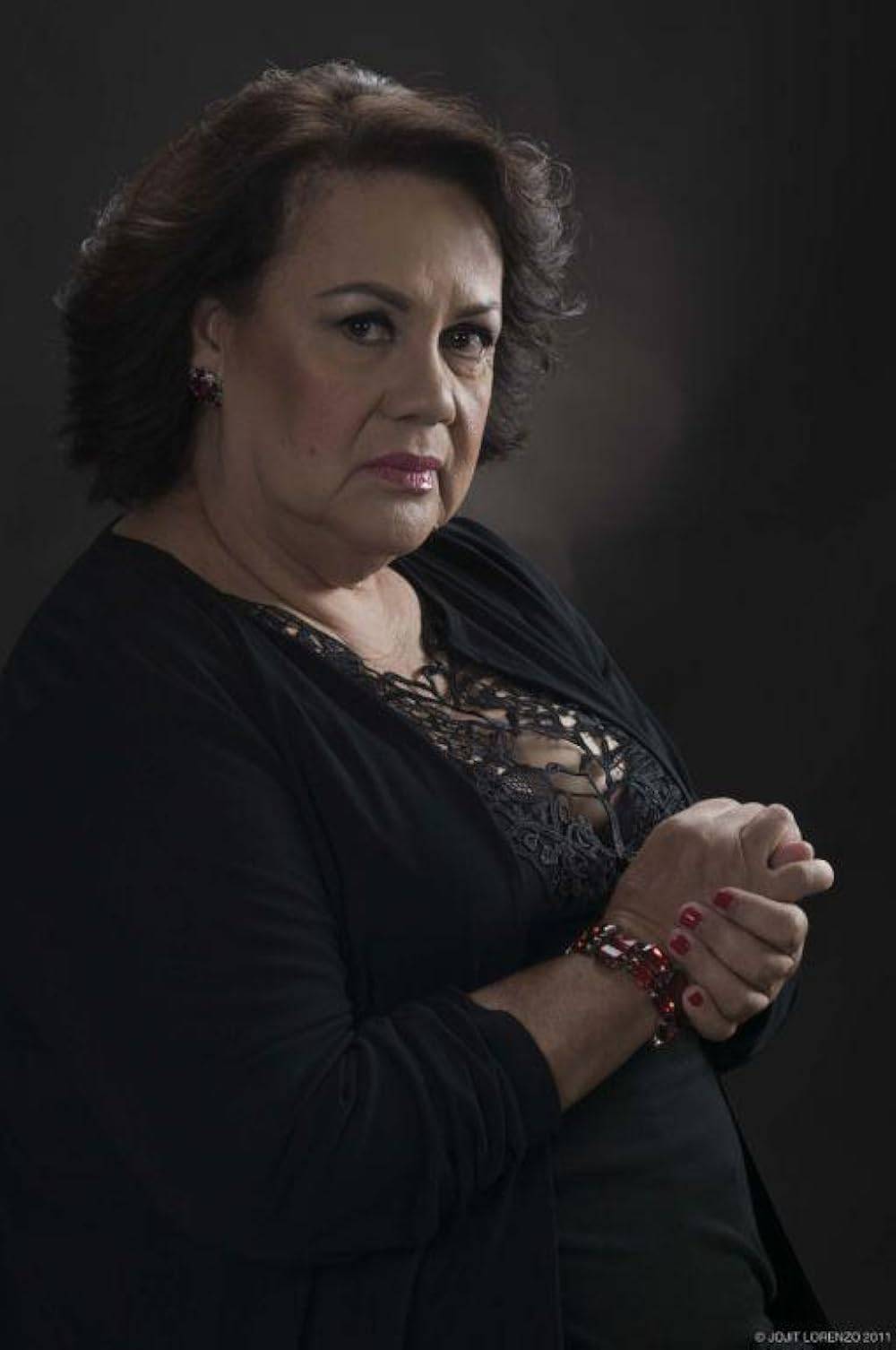
Divina Valencia
Photograph sourced from IMDb
DIVINA VALENCIA
Divina Valencia was born and raised in Abucay, Bataan, where her parish church was Santo Domingo de Guzman. St. Dominic is credited with popularizing the recitation of the Holy Rosary.
One vivid memory from her youth is the “pabasa” — the uninterrupted chanting of the pasyon, which narrates the life, passion, death, and resurrection of Jesus. A nearby household sponsored it annually, and the tradition remains alive in many Filipino communities.
On Holy Wednesday mornings, she would wake to cries of “Nasaan si Hudas? (Where is Judas?)." Known as Spy Wednesday, it commemorates Judas Iscariot’s betrayal of Christ. In her hometown, a volunteer portraying Judas would be publicly mocked as part of a penitential ritual.
While not widely observed across the country, a similar tradition called “Hudas-Hudas” takes place in San Jose de Buenavista, Antique. A large effigy of Judas filled with firecrackers is burned in a public square, accompanied by cheering townspeople.
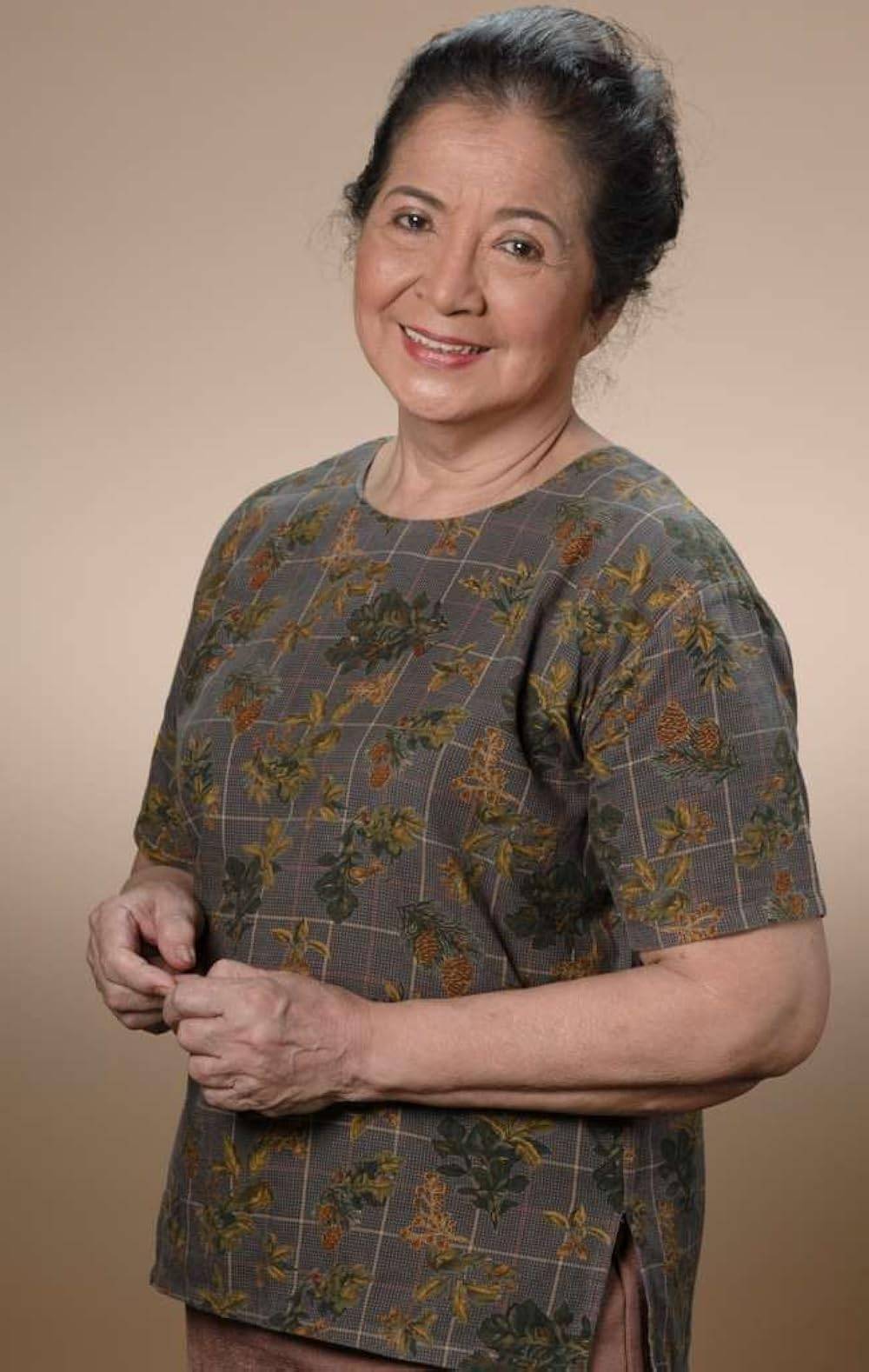
Perla Bautista
Photograph courtesy of IG/Perla Bautista
PERLA BAUTISTA
Perla Bautista grew up on Isla Balut in Tondo, Manila. She recalls how flagellants participating in the “hampas-dugo” ritual used their home as a staging area every Good Friday. She witnessed penitents having their backs lacerated before parading through the streets while flogging themselves.
To her amusement, some of these flagellants were neighborhood toughs who repented on Good Friday — only to return to their old ways by Easter Monday.
Perla now lives in Mandaluyong and is an active parishioner of San Roque Church. She has even expressed her wish for her wake to be held there.
Morbid? Perhaps. But as a devout Catholic, she firmly believes in the teaching: “From dust you came, to dust you shall return.”
It is a powerful reminder of humility — that everything on earth is temporary. Even the “penitencia” brought about by the oil crisis, with God’s mercy, shall eventually pass.