
Diplomatic coup with Iran hailed
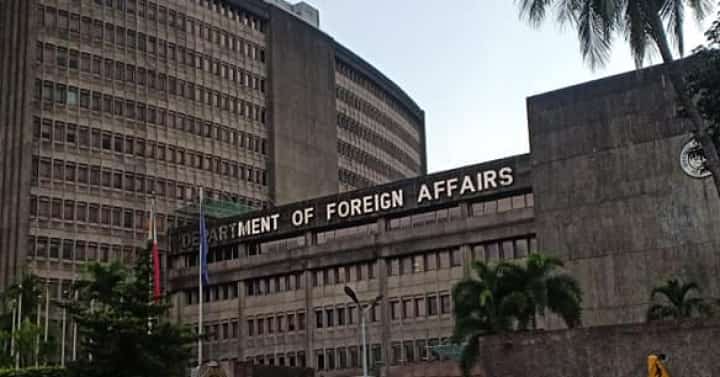
Senators commended the Department of Foreign Affairs (DFA) for its efforts to secure the safe and unhindered passage of Philippine-bound oil tankers through the Strait of Hormuz, despite the worsening conflict in the Middle East, following successful talks with Iran.
Senator JV Ejercito, who recently criticized the administration’s supposed slow response and lack of concrete solutions to mitigate the dire effects of the looming oil supply shortage, labeled the move on Saturday a “welcome development” expected to replenish the country’s petroleum reserves.
He commended the administration and the DFA for initiating diplomatic negotiations with Iranian Foreign Minister Seyed Abbas Araghchi. The senator remains hopeful they will materialize immediately and be sustained.
Araghchi assured the expeditious passage of Philippine-flagged vessels, energy sources, and all Filipino seafarers through the Strait, where about 20 percent of the world’s total oil passes through, following a call with Foreign Affairs Secretary Ma. Theresa Lazaro, who requested that the Philippines be designated a “non-hostile country.”
Not part of alliance
The Strait remains technically closed to the United States, Israel, and their allies who support their war on Iran.
“Hopefully, this development will help, even in a small way, to ease the situation so that the people can breathe a sigh of relief. Because we are already feeling it — this supply problem, oil prices, and so on, including fares, food, and other goods,” Ejercito said in Filipino.
Senator Panfilo Lacson also commended Lazaro for “quietly and effectively negotiating with Iran to allow passage of vessels through the Strait of Hormuz that deliver 80 percent to 100 percent of the Philippines oil imports.”
Senate PROTECT committee chairperson Win Gatchalian, who pressed Malacañang to hold a high-stakes dialogue with Iran to ensure that the oil shipments bound for the Philippines would be recognized as “neutral entities,” projected that the “economic disruption caused by the Middle East conflict will be tempered” by the deal.
Good graces of the Iranian regime
Iran’s commitment is expected to secure an adequate supply for the country in the months ahead, according to Gatchalian.
He assured that the ad hoc committee will continue to advance contingency plans to ensure that the socio-economic impacts of the oil crisis are cushioned and that essential goods and services remain uninterrupted.
The Philippines has been greatly affected by the ongoing US-Israel conflict with Iran, as it is heavily dependent on the Middle East for from 95 to 98 percent of its oil imports.
Though Iran is not officially an ally of the Philippines, the two nations have maintained diplomatic relations since 1964. They also have resident embassies in their capitals.
Meanwhile, the Philippines is a longstanding ally of the US, and its military has been granted rotational access to some of Manila’s military bases through the Enhanced Defense Cooperation Agreement (EDCA).
The EDCA sites earlier sparked concerns that the Philippines may pose a threat to Iran, which has launched drone airstrikes in Middle East countries hosting US military bases.
The DFA had allayed these fears, saying the Philippines maintains a “good relationship” with Iran, and that it had been informed back in November that the Philippines retained full ownership and control over the EDCA sites.
Despite the positive developments, Ejercito said the safe passage of Philippine-bound oil tankers through the Strait, which is expected to boost petroleum supplies and prevent prices from skyrocketing, must be coupled with the full and swift implementation of the suspension of the fuel excise tax.