
15-minute city gains ground amid fuel crisis


Rising oil prices are renewing calls for more compact, walkable urban design, as higher transport costs continue to strain households in an import-dependent economy like the Philippines.
With up to 95 percent of the country’s crude supply sourced from abroad, fluctuations in global oil prices quickly translate into higher fares, increased costs of goods and reduced household spending power, analysts said.
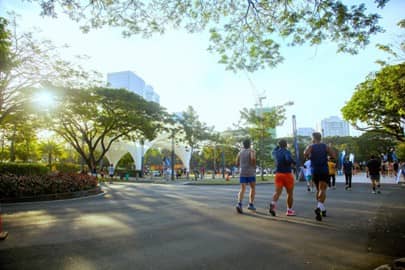
Urban planners point to the “15-minute city” model as a potential solution, emphasizing proximity over long-distance travel by placing workplaces, services and essential establishments within short distances from residential areas.
The concept gained relevance during the COVID-19 pandemic, when communities with access to nearby services experienced fewer disruptions despite mobility restrictions.
In the Philippines, integrated developments such as Filinvest City illustrate this approach, combining residential, commercial and institutional spaces within walkable districts to reduce reliance on daily commuting.
Features such as electric vehicle shuttles, charging stations, bike lanes and pedestrian-friendly infrastructure further support reduced fuel dependence and improve resilience to price volatility, planners said.
Experts said the shift reflects a broader change in urban development, where accessibility and proximity are becoming key factors in sustaining economic activity amid rising energy costs.