
Palace caves amid Senate furor: Energy emergency declared after weeks of ‘no crisis’ line
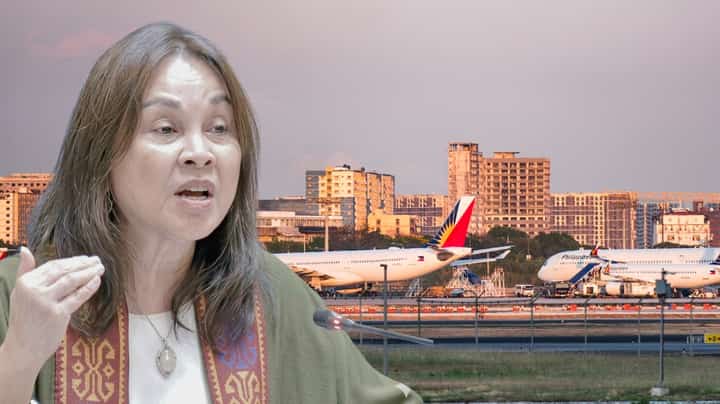
EVEN as President Ferdinand R. Marcos Jr. warned that grounding flights in the Philippines is a ‘distinct possibility’ due to potential jet fuel shortages linked to the ongoing Middle East tensions, Senator Loren Legarda (inset) raised a ruckus about government’s seeming nonchalance to the fuel crisis already affecting Filipino citizens.
PHOTOGRAPHS by Yummie Dingding and Aram Lascano for DAILY TRIBUNE
Malacañang on Tuesday declared a state of national energy emergency, just hours after senators sharply criticized the government’s handling — and apparent downplaying — of the looming oil crisis.
Through Executive Order 110, President Ferdinand Marcos Jr. authorized a set of unified measures to secure the fuel supply and stabilize energy availability across key sectors, including transport, food production, industry and livelihoods.
The order comes as tensions in the Middle East continue to disrupt global oil supply chains, driving price volatility and raising fears of shortages.
Malacañang acknowledged that the Philippines, which relies heavily on imported fuel, remains highly vulnerable to these external shocks.
“The Philippines remains highly dependent on external sources of fuel and is therefore vulnerable to disruptions in global oil production and transportation,” the order read.
Particular concern was raised over the Strait of Hormuz, a critical corridor for global shipments, where any disruption could tighten supply and push prices even higher.
The Department of Energy (DoE) warned of an “imminent danger” of critically low energy supply, prompting the government to prepare an energy allocation plan and enforce conservation measures.
The President also invoked his authority to direct executive agencies and oversee local governments in implementing emergency responses.
Legarda: Palace’s denial is the crisis
The declaration came against the backdrop of a heated Senate hearing, where lawmakers accused the administration of failing to acknowledge the severity of the situation early on.
Senator Loren Legarda led in the criticism, taking aim at Malacañang’s earlier insistence that the country was not yet in an oil crisis.
“Let’s not get lost in translation or pretend there’s no crisis. Until we define it as a crisis, we will not act in record time to save our people,” Legarda said during the inaugural hearing of the Senate’s PROTECT Committee.
Her remarks followed statements by Palace Press Officer Claire Castro, who cited Energy Secretary Sharon Garin in saying the fuel supply would remain adequate until the first week of May. Garin has maintained that while global factors have driven up prices, the country still has enough fuel buffer and does not need to ration supply.
That position did not sit well with several senators.
“If we do not admit there is a crisis affecting petroleum prices, energy, food, and transport, agencies will not act with urgency,” Legarda said, adding that the government response in normal times has been “painfully slow.”
She also questioned Garin’s initial absence from the hearing, suggesting the energy chief may have been preoccupied with “politicking.” Garin later arrived after a meeting with the President.
Senator Win Gatchalian and Senator JV Ejercito echoed Legarda’s concern, saying an uncertainty in supply already constituted a crisis.
“If the supply is uncertain — even if we have stock on hand but don’t know if more will come — for me, that’s a crisis,” Gatchalian said.
DoE data showed that as of March 20, the country’s fuel reserves could last around 53 days for gasoline, 45 days for diesel, and 38 days for jet fuel. LPG stocks, however, may only last about 23 days.
With the Middle East supplying up to 98 percent of the country’s crude oil imports, lawmakers warned the Philippines remains dangerously exposed, especially as the government has yet to secure alternative sources.
Russian oil eyed
Foreign Affairs Secretary Ma. Theresa Lazaro earlier said the Philippines is exploring the possibility of importing oil from Russia following a temporary easing of US sanctions.
Ejercito, meanwhile, criticized what he described as the administration’s delayed response, noting that a crisis management committee was formed only recently despite escalating tensions since late February.
“The ball is in the President’s court,” he said, urging Marcos to act on a proposed measure that would grant him emergency powers to suspend or reduce the excise tax on petroleum products.
The bill, which the President had certified as urgent, aims to ease the burden on public transport drivers, farmers, and fisherfolk struggling with rising fuel costs. However, it has yet to be transmitted for his signature.
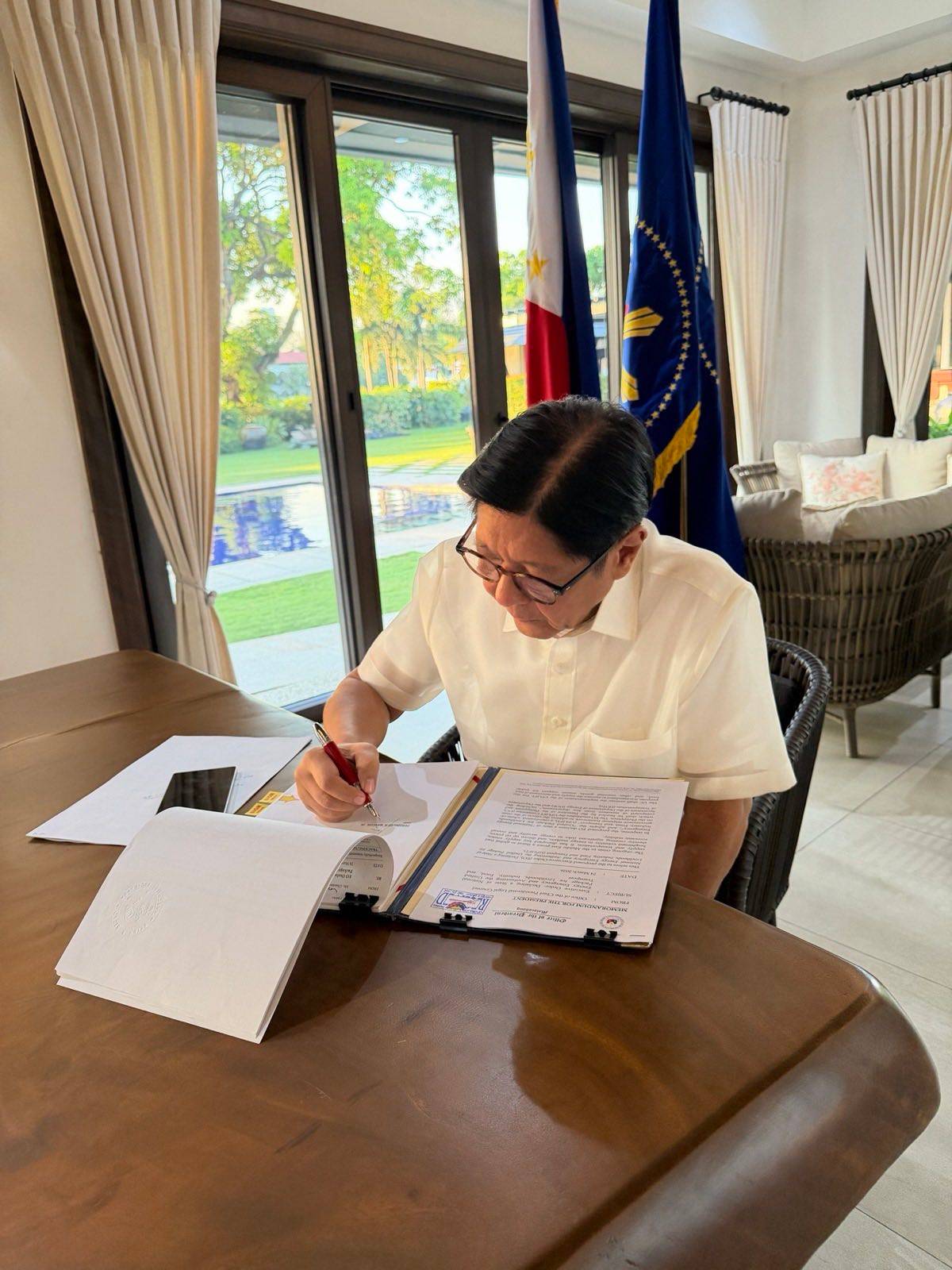
PRESIDENT Ferdinand Marcos Jr. signs an executive order declaring a national emergency after repeatedly denying there’s a prevailing fuel crisis.
PHOTOGRAPH COURTESY OF PCO
Marcos had expressed willingness to sign the measure despite potential revenue losses that could reach over P120 billion.
As the crisis unfolds, the government now faces mounting pressure to move beyond assurances and deliver concrete measures to cushion the impact on consumers already grappling with high fuel prices and rising living costs.