
‘‘Yorme’’’ urges budget discipline amid rising petrol, commodity costs
Additionally, the city government will implement a four-day workweek for its employees as a contingency measure to reduce transportation costs.
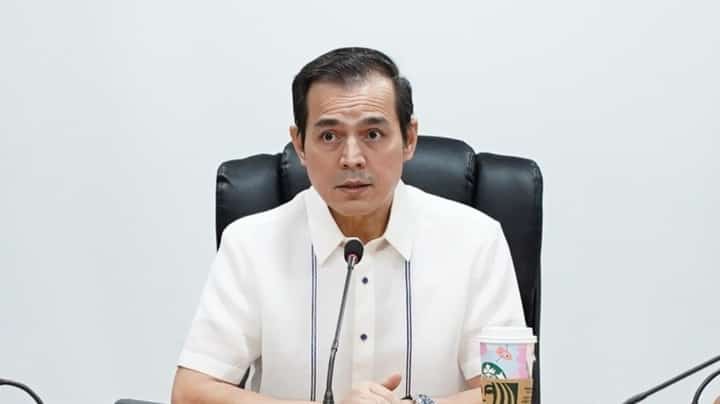
Mayor Francisco “Isko Moreno” Domagoso on Monday urged city employees to practice strict financial discipline as rising petroleum prices begin to drive up the cost of basic commodities.
Speaking during the city’s weekly flag-raising ceremony, Domagoso warned that the ongoing oil crisis, fueled by tensions in the Middle East, presents a significant economic challenge for Filipino families.
“Life is difficult, and people’s earnings are barely enough to cover daily needs, so it is necessary to spend correctly,” Domagoso said. He advised employees to prioritize essential household expenses and avoid unnecessary spending.
“If possible, spend little by little for now because the crisis we are facing is quite long,” the mayor added. “We still have a long way to go.”
To mitigate the impact of the crisis, Domagoso announced a rice subsidy for 74,000 families in the city, funded through a presidential allocation.
Additionally, the city government will implement a four-day work week for its employees as a contingency measure to reduce transportation costs.
Meantime, despite the rapid surge in fuel prices, Manila’s commuters have yet to see a significant shift toward bicycles as an alternative mode of transportation.
A survey of bicycle shops along Quezon Boulevard in Quiapo, the city’s traditional hub for cycling trade, showed that sales remain at normal levels.
Shop employees reported that while there is a slight uptick due to the start of the school break, there has been no rush of customers similar to the surge seen during the Covid-19 pandemic lockdowns.
Industry observers noted that while fuel is expensive, the abundance of public transportation options — including jeepneys, buses, trains, and motorcycle taxis — has kept most commuters from switching to cycling for their daily travels.