
Convoy of questions

Residents of a Central Luzon province confided to Nosy Tarsee that they are watching closely how authorities will handle the much talked-about road incident involving the convoy of their governor and a politically connected companion.
In quiet conversations, locals said the outcome of the investigation may prove pivotal, not just for accountability, but for shaping political choices they feel can no longer wait until the next electoral cycle.
Frustration, they claim, has long been simmering over what they described as a leadership that has grown distant, imperious and inattentive.
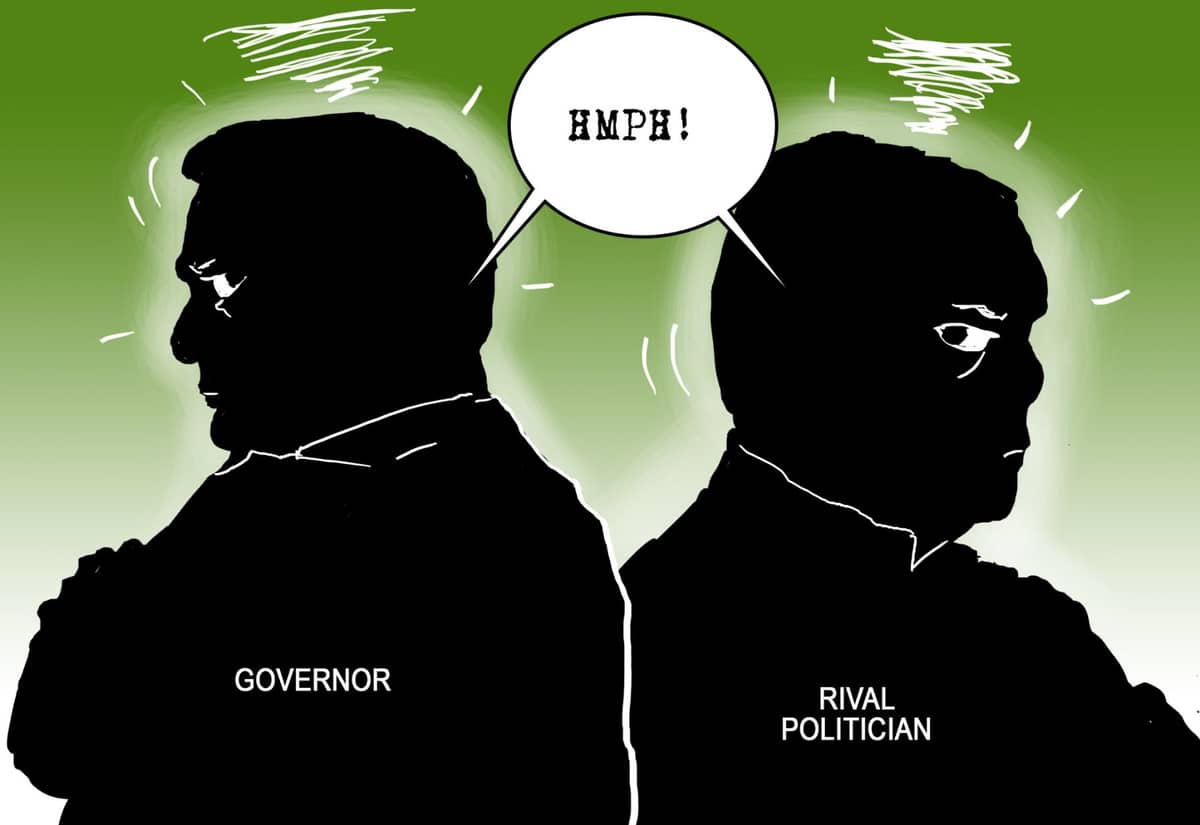
The recent roadside altercation, they add, merely crystallized a pattern they had observed: a convoy that allegedly brooks no interruption, with motorists recounting instances of being forced aside or intimidated on major thoroughfares.
More troubling, according to insiders, are whispered accounts of the governor’s private dealings like lavish excursions, generous gifts, and the involvement of personalities from the entertainment world said to facilitate such arrangements.
These claims have fueled further discontent among constituents already questioning the propriety of public officials’ conduct.
Beyond personal controversies, residents also point to decisions tied to large-scale infrastructure developments, which they allege have worsened flooding in agricultural communities.
They say that approvals granted for major projects have come at the expense of farmlands and, ultimately, their livelihoods.
Compounding these concerns are allegations surrounding the use of discretionary funds, with critics claiming a lack of transparency in how such resources are spent.
For many in the province, the pending resolution from transport authorities is more than a procedural outcome; it is seen as a potential opening to pursue formal complaints. Whether these grievances will translate into legal action remains uncertain, but one thing is clear: the disquiet on the ground is no longer easily dismissed.