
OFW remittances rise to $3.02B in January – BSP
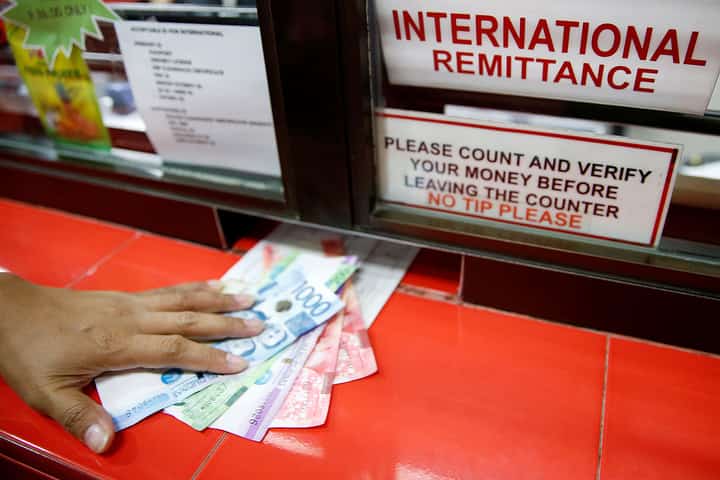
Cash remittances from overseas Filipino workers (OFWs) reached $3.02 billion in January 2026, up 3.5 percent from $2.92 billion in the same month last year, according to data released by the Bangko Sentral ng Pilipinas (BSP).
Including transfers sent through informal channels and remittances in kind, personal remittances increased to $3.36 billion, likewise 3.5 percent higher than the $3.24 billion recorded in January 2025.
The central bank said the United States remained the largest source of remittances, followed by Singapore and Saudi Arabia.
Remittances from both land-based and sea-based workers supported the growth. BSP data show land-based workers sent $2.41 billion in January, while sea-based workers accounted for $610 million, highlighting the steady contribution of overseas employment across industries.
Remittance inflows remain a major pillar of the Philippine economy, helping sustain household consumption and providing a steady source of foreign exchange. In 2025, cash remittances reached a record $35.63 billion, equivalent to 7.3 percent of gross domestic product (GDP) and 6.4 percent of gross national income (GNI).
However, rising geopolitical tensions in the Middle East could pose potential risks to remittance flows. Bank of the Philippine Islands president and CEO TG Limcaoco said the primary concern remains the safety of Filipinos working in the region.
“Really, the Philippines is quite dependent on a good number of remittances that come from that area. The Filipinos there tend to be higher paid than the average overseas Filipino worker, so that contributes a significant amount of remittances here,” he added.
According to BPI lead economist Emilio S. Neri Jr., the Middle East hosts roughly 40 percent of all OFWs, although remittances from the region account for less than 20 percent of total inflows.
This suggests the potential impact on remittances may remain manageable unless the conflict escalates significantly.
Despite global uncertainties, economists expect remittance inflows to remain resilient as overseas demand for Filipino workers continues across sectors such as healthcare, maritime services and professional services, helping support domestic spending and the country’s external accounts.