
Smuggling war at sea
For Australia, secure sea lanes protect trade. For the Philippines, they help defend a coastline stretching more than 36,000 kilometers.
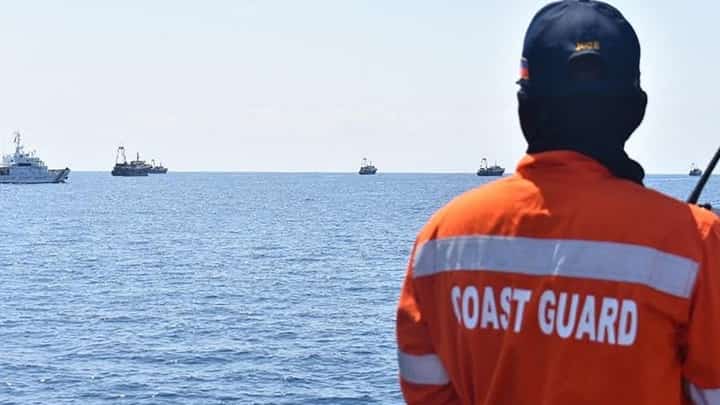
Two coast guards. One ocean getting busier by the year.
Australian Border Force this month trained officers from the Philippine Coast Guard in Sydney, marking the first time Australia has delivered vessel-search instruction directly to Filipino maritime personnel.
The course, held earlier this month, focused on a simple but essential skill: how to stop a ship and search it safely, lawfully and thoroughly.
It is slow ladders, tight corridors and cargo holds, a frontline of maritime law enforcement in a region where smugglers, traffickers and gray-zone actors move quietly across crowded sea lanes.
Officials say the training strengthens Manila’s ability to inspect vessels suspected of carrying illegal cargo, from narcotics to contraband goods.
It also builds operational familiarity between two coast guards that increasingly patrol the same strategic waters.
“Australia is working closely with the Philippines to help keep our region peaceful, stable and prosperous,” said Australian Ambassador Marc Innes Brown.
Behind the diplomatic phrasing sits a harder reality: the Indo-Pacific’s sea routes are under pressure. Organized crime networks exploit porous maritime borders. Smuggling operations move through fishing fleets and small cargo vessels that rarely make the news.
The training falls under the Australian Department of Foreign Affairs and Trade initiative known as Southeast Asia Maritime Partnerships, designed to help regional states police their own waters.
For Australia, secure sea lanes protect trade and supply chains. For the Philippines, they help defend a coastline stretching more than 36,000 kilometers.