
Vanishing yuan


Something curious is happening behind the scenes of the country’s trade corridors, and a few insiders in business circles are quietly raising alarms.
For years, a Southeast Asian nation relied heavily on imports from a powerful neighbor to keep its markets stocked, from electronics to everyday consumer goods. But lately, that neighbor has been quietly changing the rules of the game, Nosy Tarsee discovered.
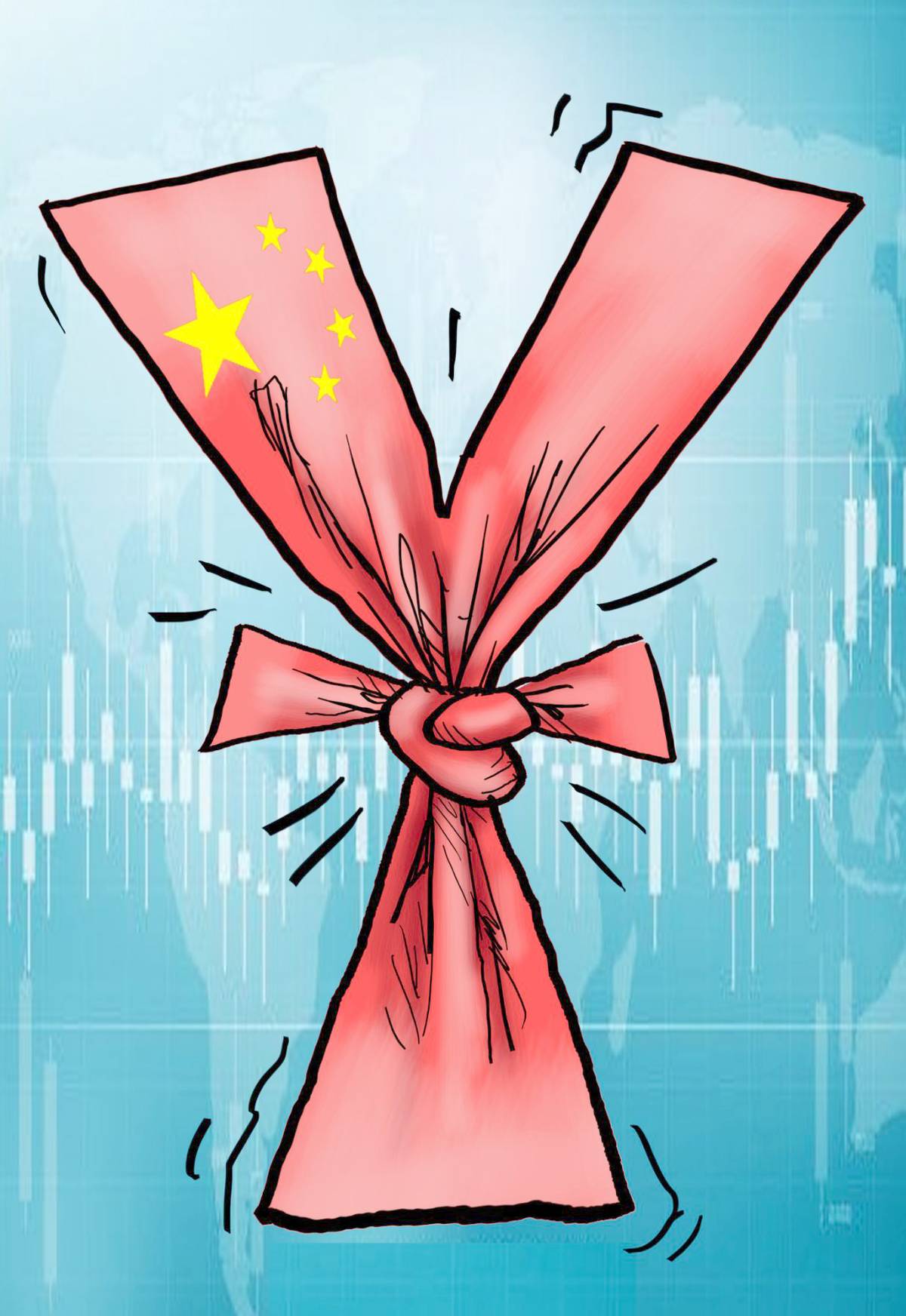
Trade settlements are gradually shifting from the US dollar to the yuan. Here’s the catch: the importing country reportedly holds little to no yuan reserves.
According to some observers, this situation is partly self-inflicted. Diplomatic tensions have cooled previously warm economic ties. Aid, grants and investment flows that once quietly lubricated commerce have slowed to a trickle.
Meanwhile, the closure of a controversial gaming sector, once accused of being a major source of yuan liquidity, has removed another pipeline for Chinese currency.
At the same time, smaller foreign entrepreneurs who once operated local businesses are said to have left following stricter enforcement actions and asset seizures.
The result? A tightening supply of yuan in local markets.
Some traders whisper that informal currency channels could soon emerge to fill the gap — a classic supply-and-demand reaction.
Economists also warn that the country’s heavy reliance on imports from the same trading partner could pose a hidden risk. Even a modest price adjustment on exported goods — say, a 10 percent increase — could ripple through domestic markets and trigger inflation, with the poorest consumers bearing the heaviest burden.
Critics argue that the situation reflects a broader strategic dilemma: navigating the economic rivalry of global powers while lacking a strong manufacturing base of its own.
In today’s world, one analyst remarked, wars are no longer fought only with weapons. Increasingly, they are fought through currencies, supply chains and trade leverage.
For a country caught between competing giants, the real question may not be who wins the geopolitical contest — but whether it has prepared its own hand well enough to stay in the game.