
Panagbenga marks 30 years of Baguio’s resilience and culture

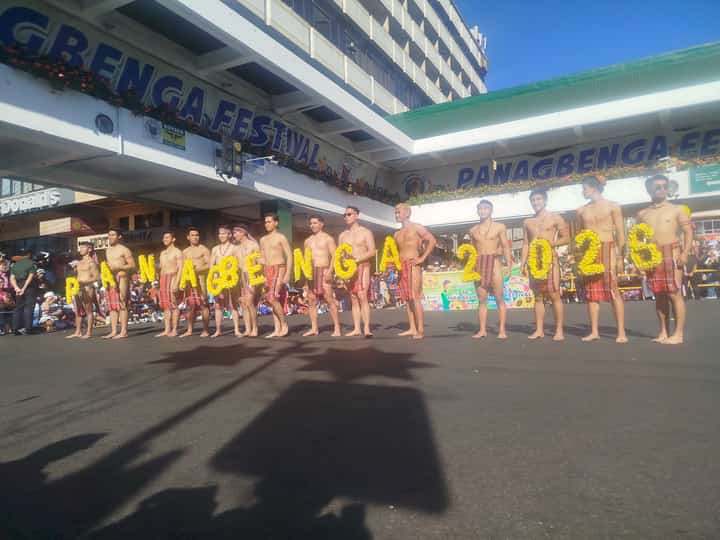
BAGUIO CITY — The Baguio Flower Festival, widely known as Panagbenga or “Season of Bloom,” marks its 30th year in 2026, reflecting not only a celebration of flowers but also the story of a city’s resilience and cultural heritage.
Before the 1990s, Baguio was known for its orderly streets, cool climate and role as a center for Cordilleran traditions such as weaving and woodcarving. The city was often regarded as a model of discipline and cleanliness, with public spaces hosting civic parades and cultural activities highlighting the heritage of the Ibaloi and Kankanaey peoples.
The city’s trajectory changed dramatically on 16 July 1990, when a magnitude 7.7 earthquake struck Northern Luzon. Baguio was among the hardest-hit areas, suffering collapsed infrastructure and severe disruptions to daily life.
In the aftermath of the disaster, residents showed strong solidarity as communities worked together to clear debris and rebuild. The collective effort revealed a shared resilience that would eventually shape a new identity for the city.
Community leaders later sought ways to revive the local economy and restore public morale through a unified celebration.
In 1995, Damaso Bangaoet Jr. and the Baguio Flower Festival Foundation Inc. (BFFFI) conceptualized an event highlighting the city’s floral heritage and its recovery from adversity. The festival was named Panagbenga, a Kankanaey term meaning a season of blooming, symbolizing the city’s transition from destruction toward renewal.
The first festival introduced street dancing and floral floats to attract visitors and showcase local culture. What began as a strategy to revive tourism soon evolved into a lasting cultural tradition supported by the community.
The festival also incorporated traditional Cordilleran music and dance alongside elaborate floral displays, ensuring that the celebration remained rooted in indigenous culture while appealing to a wider audience.
Over time, Panagbenga expanded beyond a local recovery initiative and gained recognition on the international stage.
Its consistent programming and cultural depth contributed to Baguio’s designation as a UNESCO Creative City of Crafts and Folk Art in 2017, affirming the global value of the city’s artistic traditions. The festival has also received recognition for excellence in programming from the International Festivals and Events Association.
Now in its 30th year, Panagbenga serves as a bridge between Baguio’s historical heritage and future innovation.
What began as a symbol of recovery after a devastating earthquake has become one of the Philippines’ most prominent tourism events and a platform for cultural exchange. Through community participation and the preservation of Cordilleran traditions, the festival continues to support local livelihoods while reinforcing Baguio’s identity as a resilient and creative city.
With a legacy spanning three decades, Panagbenga embodies this year’s theme: “Blooming Without End.”