
Legalized theft


Imposing a Value-Added Tax (VAT) on system loss charges in electricity bills penalizes consumers for electricity they did not use, raising serious legal and ethical concerns.
System loss refers to the discrepancy between the electricity purchased or generated by utilities and what was actually delivered and billed to consumers. This includes both technical losses, such as energy dissipated as heat during transmission, and theft via illegal connections, meter tampering, or pilferage.
Charging consumers for these losses, and then applying a 12-percent value-added tax on top of it, effectively forces paying customers to subsidize inefficiencies and criminal activities. At the same time, the government collects tax revenue from it, a power industry veteran said.
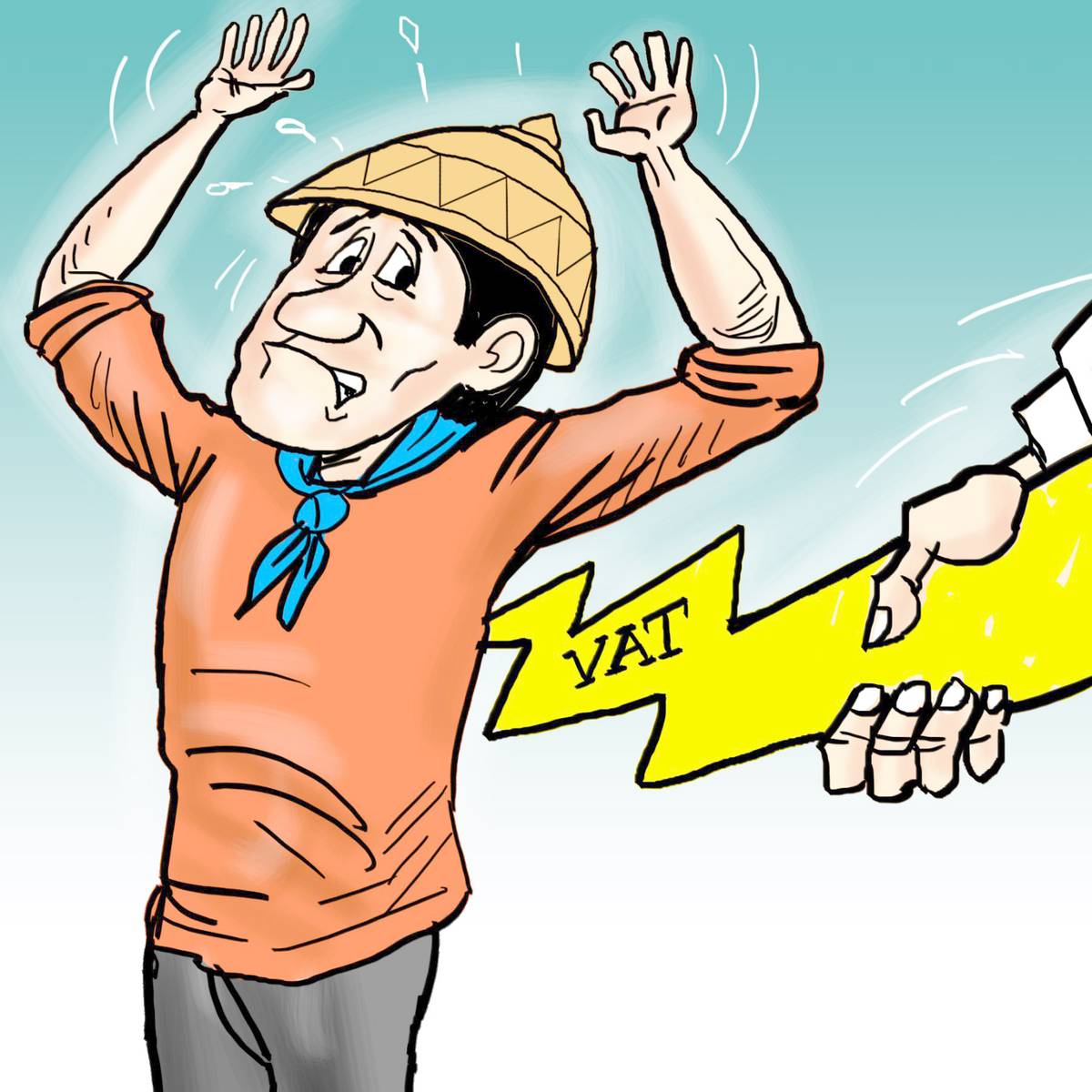
“When you impose a tax on an illegal activity, you have practically legalized a crime,” the energy veteran intimated to Nosy Tarsee.
The VAT, as defined under Republic Act 8424 (National Internal Revenue Code, as amended by RA 9337 or the Expanded VAT Law), is a tax on the value added to goods or services at each stage of production or distribution. It is not intended to tax losses, inefficiencies, or undelivered services.
An energy stakeholder explicitly argued that “by its very definition, the imposition of VAT upon this system-loss charge is unfounded and illegal.”
A 2017 House bill highlighted that system loss is not a taxable service but a burden shifted to consumers, making the application of VAT an overreach.
The Energy Regulatory Commission has implemented a VAT on “allowed” system losses (capped under RA 7832 and EPIRA or RA 9136), but this is seen as a misinterpretation of the law’s intent.
If system loss isn’t a genuine sale or service, taxing it contravenes Section 105 of the NIRC, which limits the VAT to actual transactions.
Under RA 7832 (Anti-Electricity and Electric Transmission Lines/Materials Pilferage Act), utilities may recover system losses from all consumers, effectively socializing the cost of a crime.
Applying the VAT to this portion turns a criminal act into a taxable event, arguably legalizing theft by integrating it into the formal billing system.
This practice undermines the criminal provisions of RA 7832, which penalize electricity theft, while paradoxically allowing utilities to pass on the financial burden to innocent consumers.
By taxing it, the government implicitly recognizes theft as a legitimate cost component, violating the principle that taxes should not incentivize or normalize illegal activities.
The double whammy for electricity users, who pay for power firms’ losses and even pay VAT on them, exacerbates inequality and violates consumers’ rights to commensurate benefits for the services they pay for. Consumers taxed for services they never received could be seen as another form of thievery.