
‘Scarlet Heart’ captivates hearts: From China to Korea


Imagine tumbling through time and waking up in a world of silk robes, treacherous thrones, and princes whose hearts break as fiercely as yours.
That’s the magic of Scarlet Heart, the 2011 Chinese drama that first swept viewers away, and its 2016 Korean adaptation, Moon Lovers: Scarlet Heart Ryeo — each version tugging at the emotions in wildly different ways.
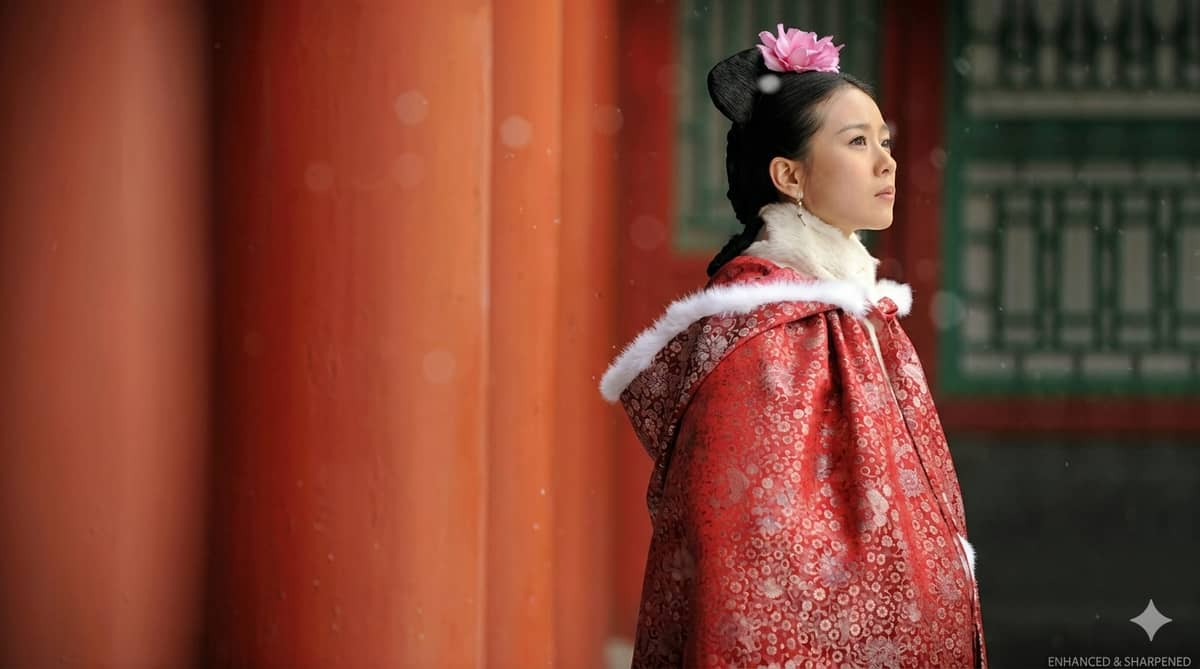
CECILIA Liu as Zhang Xiao.
In the original Chinese tale, the heroine Zhang Xiao — reborn as Ruoxi — finds herself in the Qing Dynasty during Emperor Kangxi’s reign in the late 1600s, a period steeped in real historical weight. She is caught between the charming 8th Prince Yinsi, who first wins her heart with gentle smiles, and the steely 4th Prince Yinzhen, destined to become the Yongzheng Emperor.
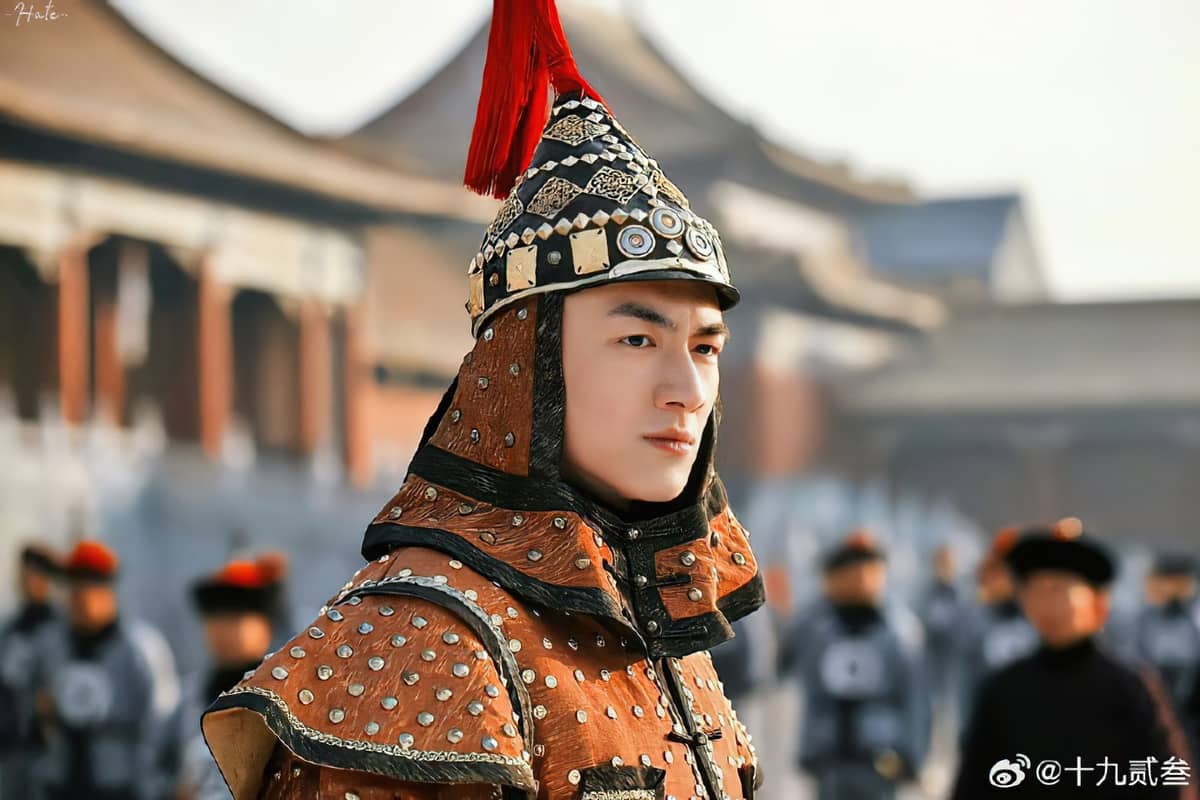
KEVIN Cheng as the eighth prince Yinsi.
The story unfolds over 35 slow-burning episodes, layering intricate political schemes in which Ruoxi’s divided loyalties unintentionally spark chaos. She endures a heartbreaking miscarriage amid imprisonments, suicides, and the emperor’s death. Profound guilt haunts her as she realizes she may have altered history itself. The drama ends with her quiet death while Yinzhen rules in eternal regret, capped by a modern-day cliffhanger featuring his lookalike.
Fast-forward to Korea’s reimagining, and the story takes on a pulse-racing energy set in the Goryeo Dynasty around 941 AD under King Taejo. Go Ha-jin awakens as Hae Soo, surrounded by ten fictionalized princes in a tighter, 20-episode run that trades some historical detail for brighter humor and heightened romance. She initially falls for the gentle 8th Prince Wook, but it is the scarred “wolf-dog” 4th Prince Wang So — brought to life with brooding intensity — who ultimately captures her heart. Their love blossoms amid gritty violence and Queen Yoo’s favoritism toward her ruthless 3rd Prince Yo.
Unlike Ruoxi, Hae Soo does not bear the same burden of world-altering guilt; instead, personal betrayals and brutal succession battles drive the narrative. The series concludes with her tragic death and Wang So’s ascent to the throne. He raises their secret daughter alongside the kind 14th Prince, with the ending hinting at a bleaker modern-day reunion.
What gives these stories their enduring pulse is the contrast in storytelling. The Chinese version leans into restrained, steady emotional devastation, with long, dialogue-heavy scenes that linger in the soul. The Korean adaptation amplifies unpredictability, striking visuals, and electrifying chemistry — though some felt it rushed key moments and faced backlash at home. Fans continue to debate which adaptation best captures the novel’s aching spirit, but both leave audiences replaying palace whispers and eclipse-crossed fates, wondering whether love can ever survive such savage crowns.