
A Valentine’s serenade at the Goldenberg Mansion
At the historic Goldenberg Mansion, ‘Harana ng Pag-ibig’ brought the Filipino serenade to life with the PIMA Guitar Quartet playing kundiman, opera and contemporary song, and tracing love in its many forms.


To celebrate the month of love, Goldenberg The Concert Series presented Harana ng Pag-ibig: A Musical Journey Through Love, Memory, and Belonging, an evening of guitar music which paid homage to the beloved Filipino tradition of harana — the serenade offered beneath a window, where music and song was as a form of courtship. Staged at the Goldenberg Mansion with the Malacañan Complex, the concert heartwarmingly extended the custom into a broader reflection on how love has been expressed across time and cultures.
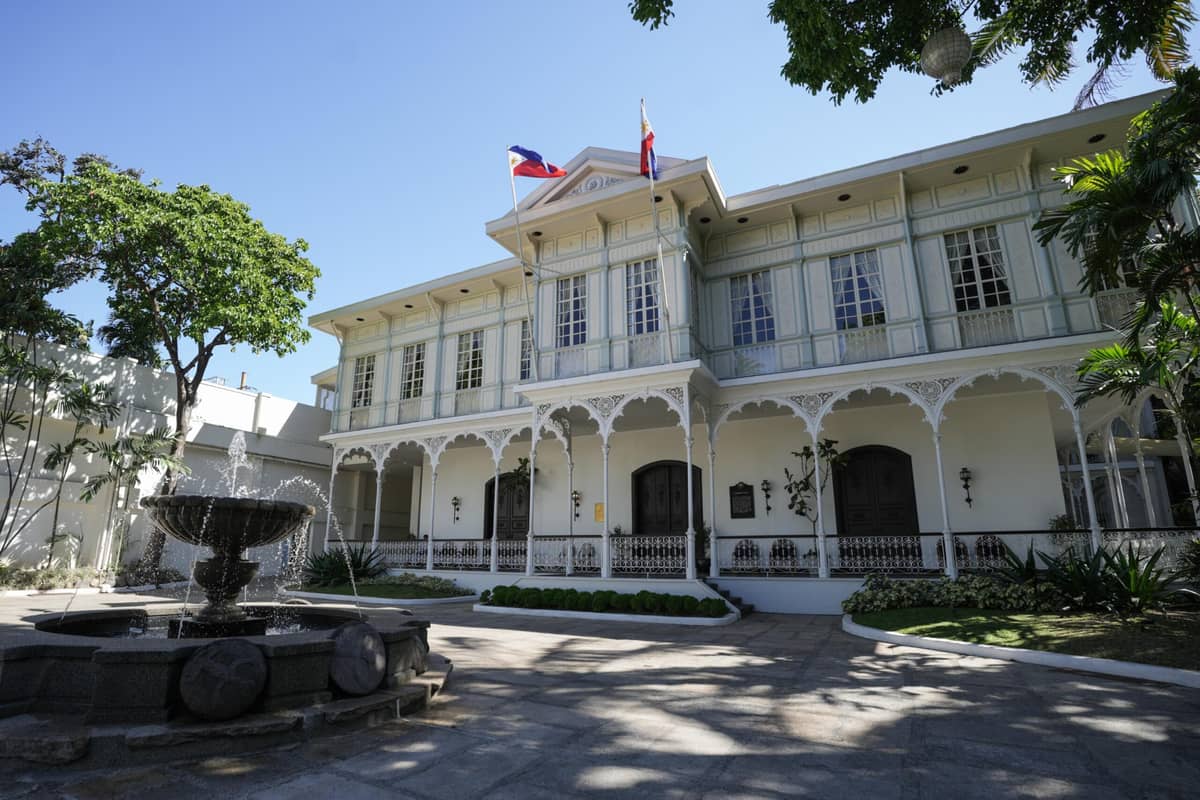
THE Goldenberg Mansion
Photograph courtesy of goldenbergmansion.gov.ph
Built in 1898, this neoclassical residence has served both as a private home and has since then been a fitting venue for state functions, and its layered history granted the affair a sense of continuity between the past and present, of old customs and rituals and modern-day habits and regimens. And both times, the harana has adamantly persisted.
At the center of the program was the PIMA Guitar Quartet, composed of Patrick Roxas, Iqui Vinculado, Monching Carpio, and Adrik Cristobal — four close friends whose musical partnership through playing the guitar has lasted through the years. Cristobal, who also imparts his knowledge at the De La Salle–College of Saint Benilde, shared the evening’s repertoire was a gift to the attendees, most specially to the young audience mostly from public schools within the area.
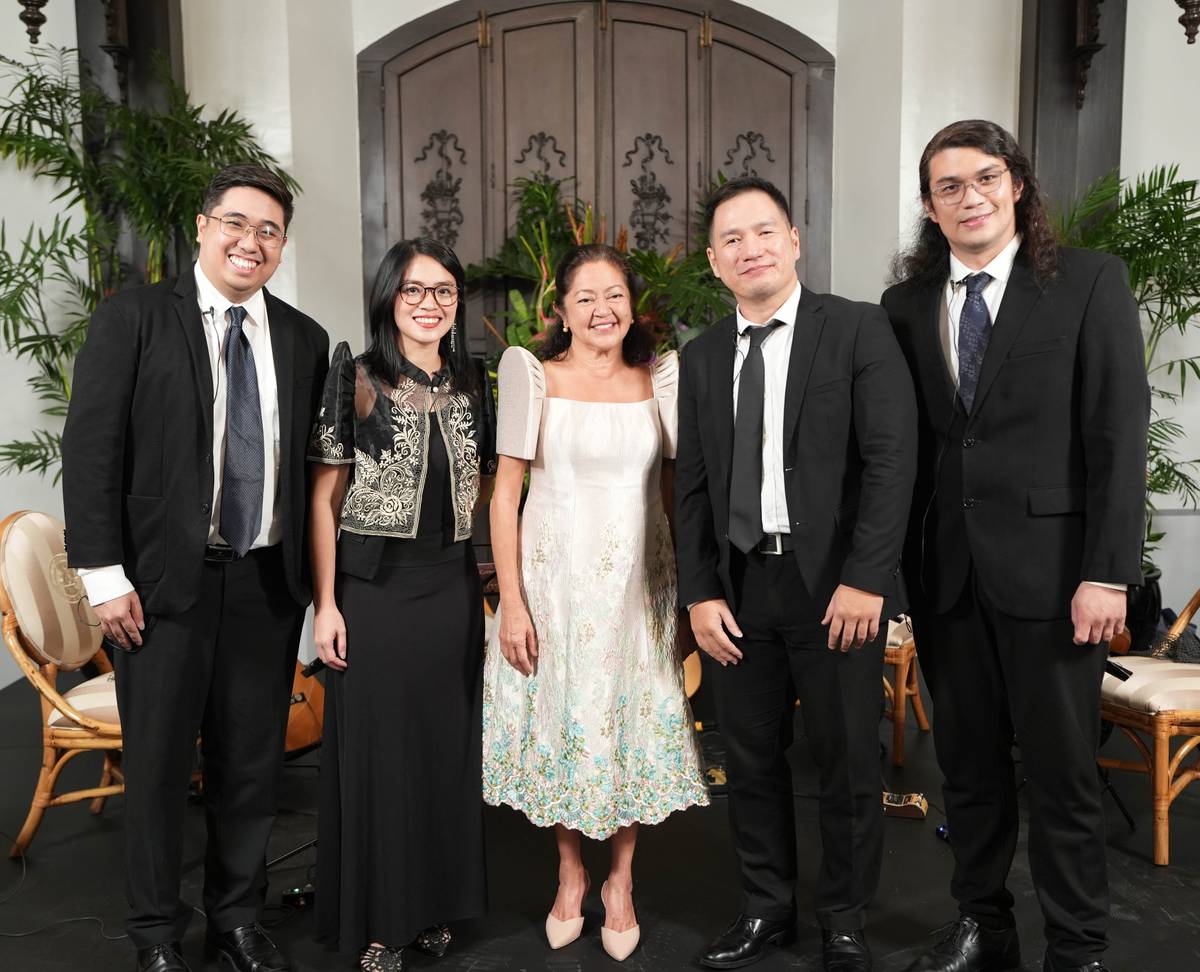
PATRICK Roxas, Iqui Vinculado, First Lady Louise “Liza” Araneta-Marcos, Monching Carpio and Adrik Cristobal.
PHOTOGRAPHS COURTESY OF THE SOCIAL SECRETARY'S OFFICE
The curated result: the sequence featured adored Filipino romantic melodies to operatic seduction and contemporary pop, while maintaining a coherent theme.
The program opened with Dolores Paterno’s “La Flor de Manila,” composed in 1879 and transcribed for guitar quartet by Cristobal. Lovingly known as “Sampaguita,” the piece represented the image of the national flower as a stand-in for the Filipina maiden — idealized through fragrance and restraint, and admired from a respectful distance.
This reserve gave way to Miguel Velarde Jr.’s “Minamahal Kita” (1937), arranged by Alberto Mesa. Velarde’s lyrics insisted on naming devotion outright, repeating its central phrase as promise and even an eternal pledge — a surefire kilig moment.
Astor Piazzolla’s Adiós Nonino and Libertango, transcribed by Nobuyuki Hirakura, was somber. Written after the death of his father, Adiós Nonino moved through tenderness and anguish to signify the loss of a loved one. Meanwhile, Libertango declared independence through driving rhythm and modern harmony. Together, the song duo suggested that love could mourn and still refuse confinement.
Gorges Bizet’s Habanera and Seguidilla from the forever staged opera Carmen, arranged by William Kanengiser, introduced another register — passion as seduction. The performance teetered on the edge of becoming sultry yet still controlled — two sides of desire.
The program then returned home through meticulously-selected love songs by the legendary APO Hiking Society, whose hummable pieces are relatable for everyday Filipino relationships. Ryan Cayabyab’s “Limang Dipang Tao,” arranged by Monching Carpio, deepened this familiar intimacy. Its image of two ever-so-in-love beings within arm’s reach, yet emotionally distant, spoke of the quiet ache of hesitation, and thus, sadly, missed connections.
Contemporary voices closed the evening. “Golden,” arranged by Richard Ashby, drew from the animated film KPop Demon Hunters, where it appeared as the signature anthem of the fictional group Huntrix, performed by Audrey Nuna, Ejae and Rei Ami. Within the context of the program, the song reframed courtship as a bold action — not a gesture one should be ashamed of. The young students sang along to the delight of the other attendees.
To conclude, Paolo Benjamin and Miguel Guico’s fan favorite “Ride Home” brought the audience back into the present, where love continues to remain and endure, despite unexpected turns and challenges.
As the final notes faded within the Goldenberg Mansion, Harana ng Pag-ibig left behind no single definition of love. The appreciative audience resonated with each tune in a different way.
Bravo, PIMA Guitar Quartet! ¡Enhorabuena, Goldenberg The Concert Series!

CLARISSA A. Castro and Camille C. Seechung.
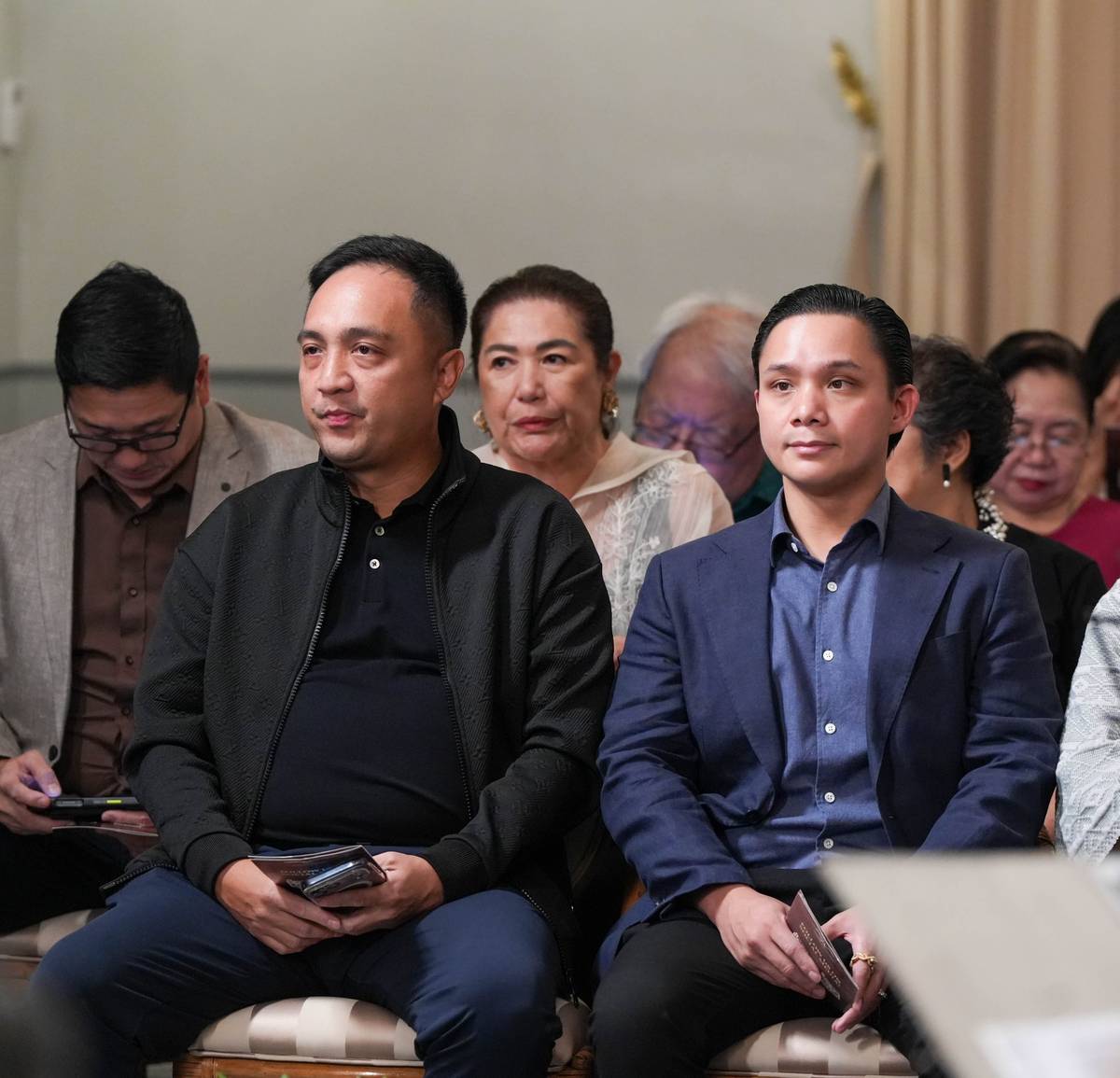
NOEL Estrella and Faustino U. Dy IV.
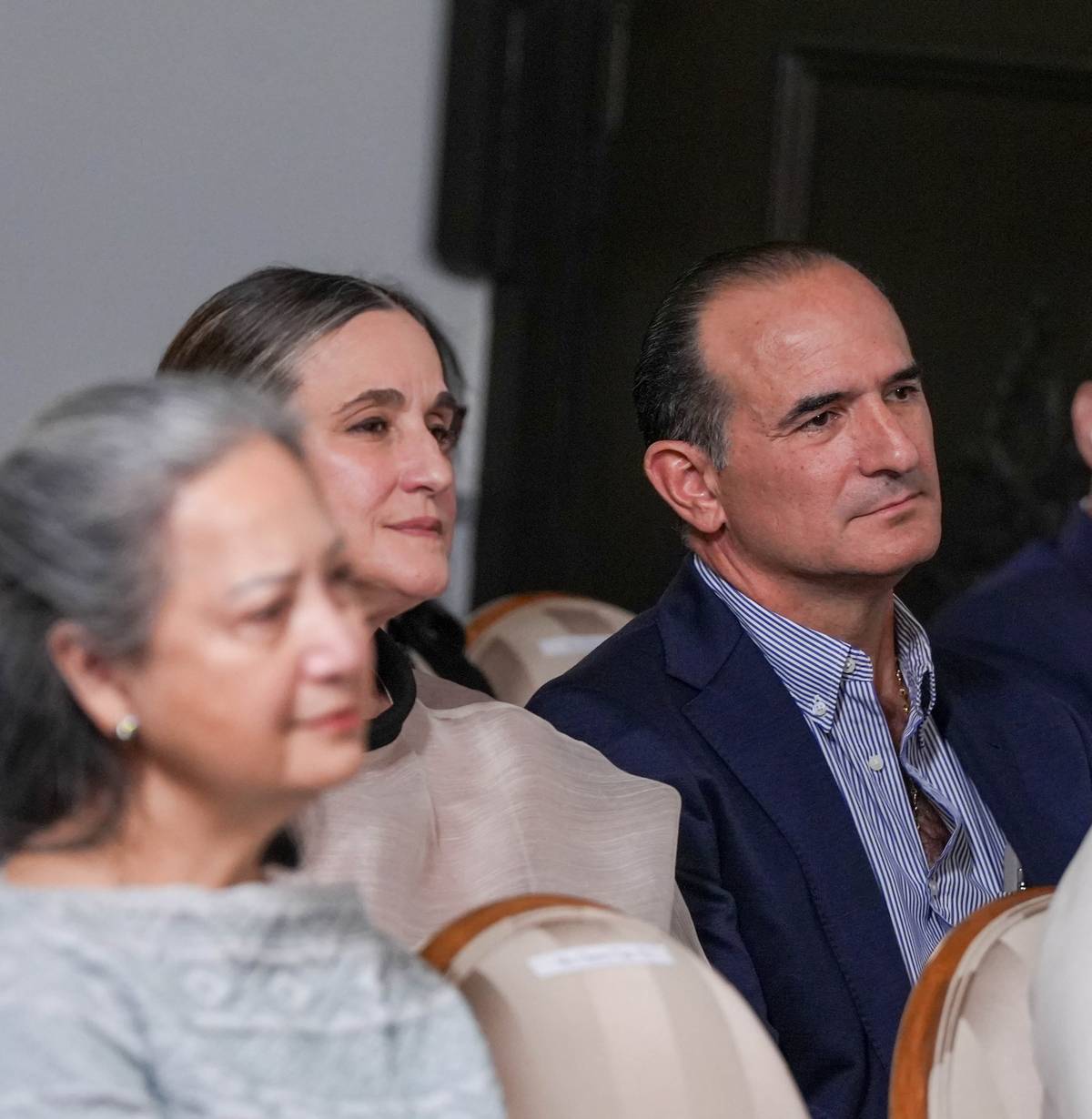
MONETTE Iturralde–Hamlin, Sofia Zobel–Elizalde and Francisco Elizalde Jr.
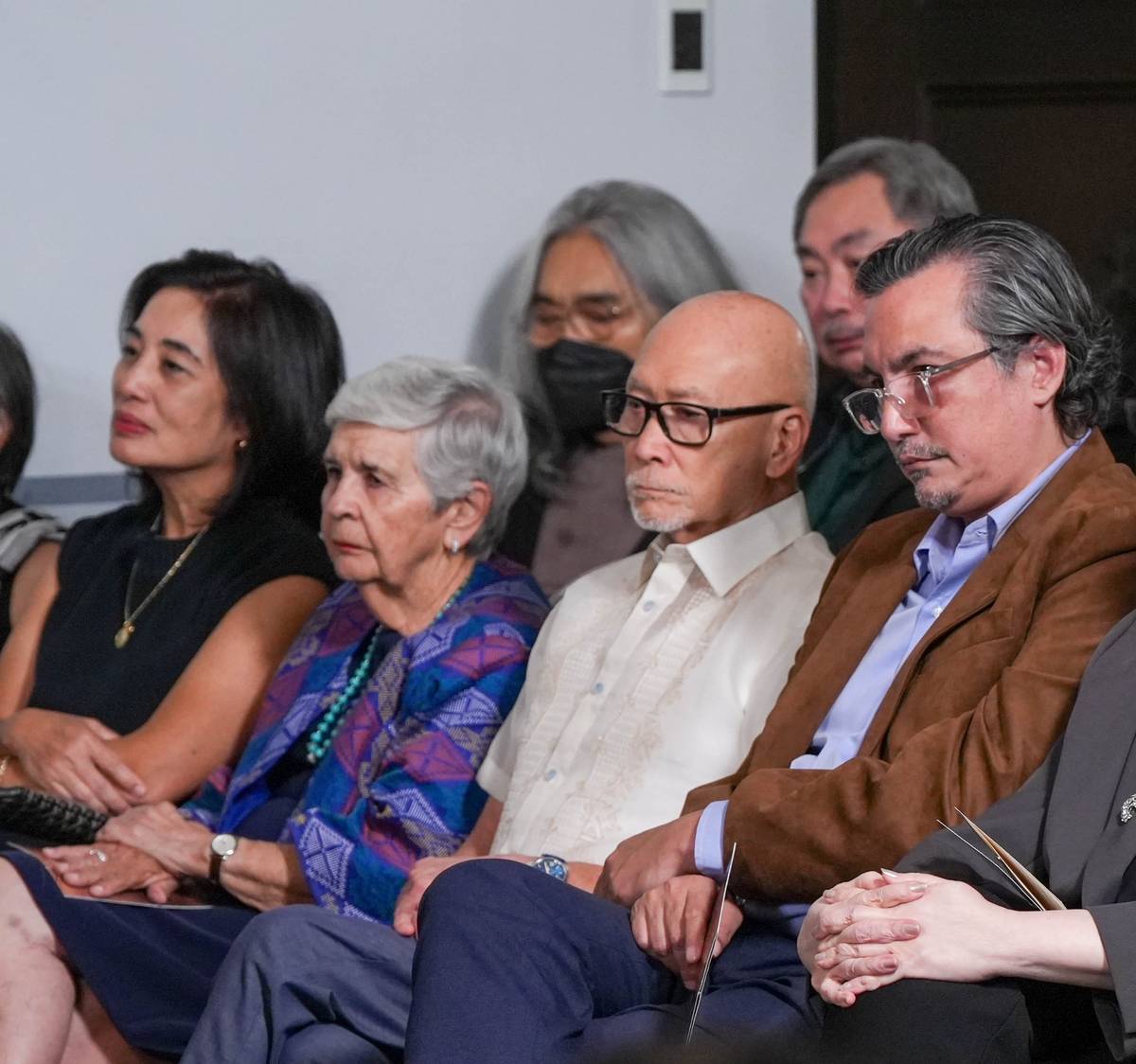
MA. Lourdes Gamboa Lindo, Ma. Isabel G. Ongpin, Ernest de Leon Escaler and Jeremy Barns.
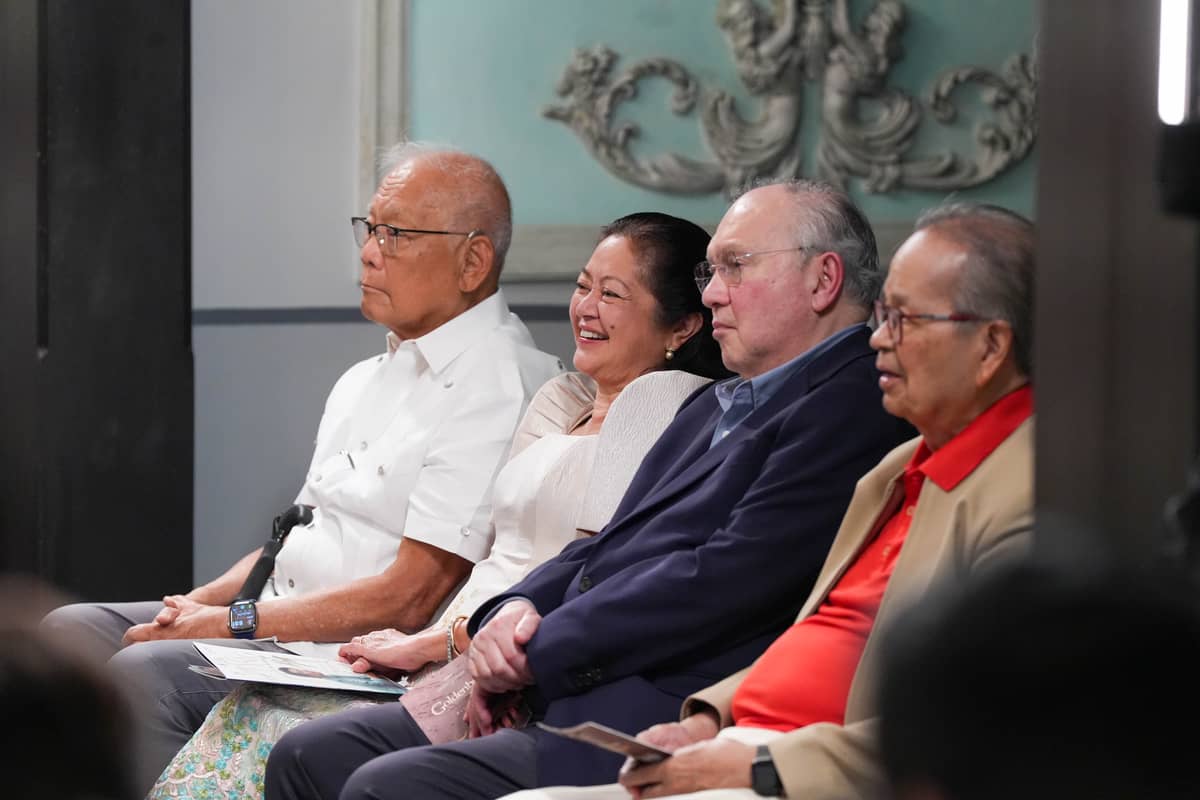
CULTURAL Center of the Philippines chairman Jaime C. Laya, First Lady Louise “Liza” Araneta-Marcos, Philippine Ambassador to the USA Jose Manuel G. Romualdez, and Retired Chief Justice of the Supreme Court Artemio V. Panganiban.
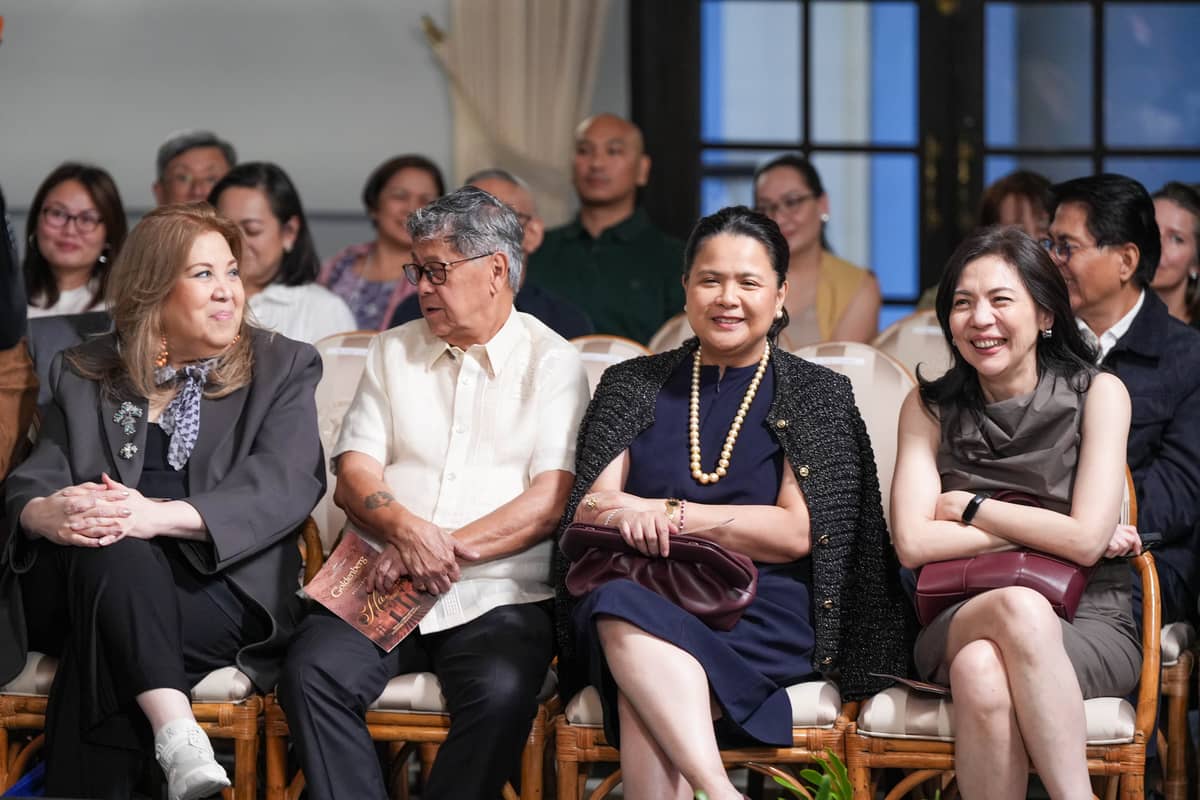
LISA Guerrero-Nakpil, Felix Monino S. Duque, Carissa Coscolluela and Kaye Tinga.