
Filipino movies secure legacy
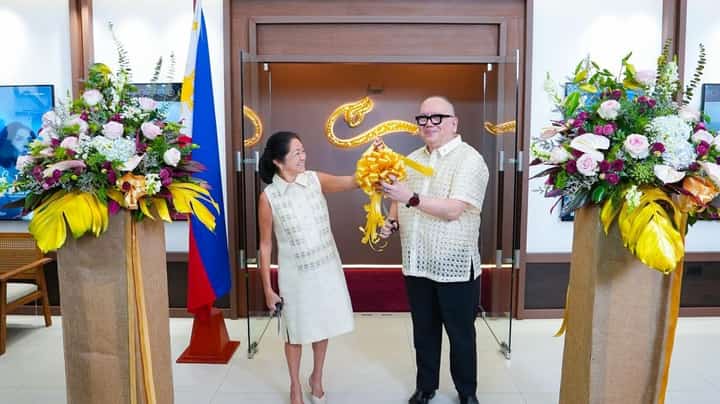
FIRST Lady Liza Araneta-Marcos (left), together with filmmaker and Film Development Council of the Philippines chairperson Jose Javier Reyes, graces the opening of the Cinematheque Centre Manila at Intramuros — the new home for Filipino cinema..
PHOTOGRAPH courtesy of liza marcos/fb
The opening of the Cinematheque Centre Manila in Intramuros is more than an infrastructure milestone, it is a cultural statement that situates cinema at the heart of Filipino memory, identity and artistic continuity.
Cinema, often described as the seventh art, occupies a singular place in Philippine culture.
From the golden age of studio filmmaking to the rise of independent cinema, films have served as both mirrors and archives, capturing social realities, political upheavals, and everyday Filipino aspirations.
Cinematheque’s mandate of preservation and restoration is not merely technical; it is an act of safeguarding collective memory.
Each restored frame rescues fragments of history that might otherwise fade with deteriorating celluloid and digital obsolescence.
The choice of Intramuros as Cinematheque’s home carries symbolic weight. As the Walled City embodies layers of colonial encounter, resistance and rebirth, housing a cinematic repository within its walls creates a dialogue between architectural heritage and moving images.
Films projected in this historic space transform it into a living cultural forum where past and present intersect, reinforcing the idea that the Filipino identity is continuously shaped through storytelling.
With her devotion to the so-called seventh art, cinema, First Lady Liza Araneta-Marcos recently joined local film stalwarts in leading in the unveiling of the Cinematheque Centre Manila in the historic district.
“Today, we opened the Cinematheque Centre Manila in Intramuros, the new home for Filipino cinema. A space where our films are preserved, restored and honored, so the stories that shaped our identity will continue to inspire generations to come,” Mrs. Marcos wrote on Instagram.
Cinematheque Centres are also found in Iloilo, Davao, Zamboanga, Compostela Valley and Bacolod City.
With the opening of Cinematheque Centres, the public will get to view Hilda Koronel’s classic movie “Sisa,” a character in the globally acclaimed novels of Jose Rizal, Noli Me Tangere and El Filibusterismo.
Reliving history-defining films
“Fittingly, we inaugurated it with ‘Sisa,’ a timeless Filipino classic that still moves audiences today. Congratulations to Director Jun Robles Lana, Hilda Koronel, and everyone who made this premiere possible,” the First Lady said.
At the opening, noted Filipino filmmaker Jose Javier Reyes enthused that, finally, Filipino films have their own home.
“We are 107 years old. But it is only now that Filipino cinema has found its home. We celebrate the opening of Cinematheque Manila, which is more than just a micro cinema. It would have screenings of very special local and foreign films. More so, it is a hub for education,” Reyes said.
While commercial movie theaters primarily show mainstream films dictated by business interests, the Film Development Council of the Philippines’ Cinematheques serve as alternative theaters that showcase more diverse content offerings to the regions, including independent, classic, and world cinema.
More than a screening venue, Cinematheques across the country have become hubs where the film community can come together, nurture local filmmakers, and build an audience that supports their local area’s stories and narratives.