
AstraZeneca forum spotlights rare disease care, patient realities


MANDALUYONG CITY, Philippines — AstraZeneca convened medical experts, patient advocates, healthcare leaders, and industry partners on 26 February 2026 at the EDSA Shangri-La Hotel for its Agham Kapihan session titled “More than we can imagine: Amplifying voices to strengthen holistic rare disease care in the Philippines.”
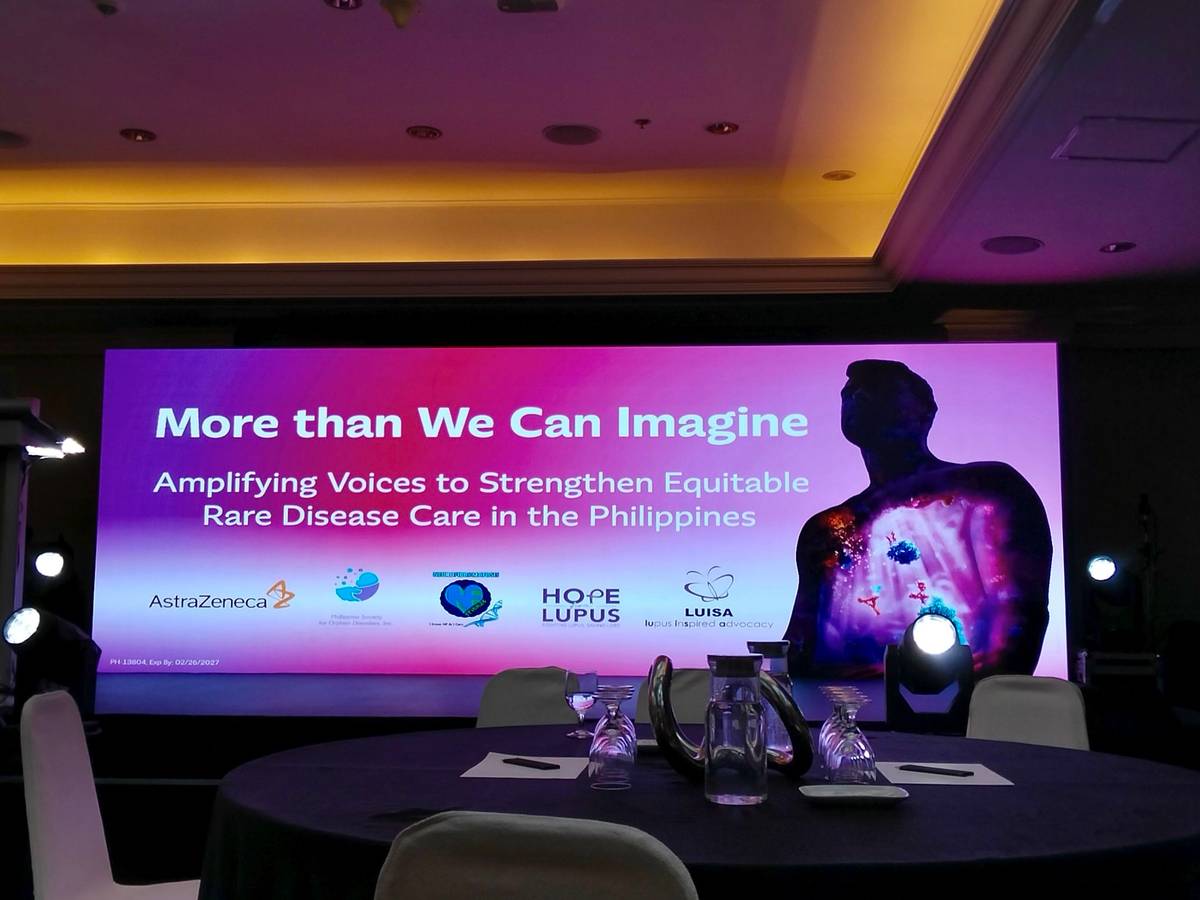
AstraZeneca held its forum at the EDSA Shangri-La Hotel on Thursday, 26 February 2026.
Photo by Amelia Clarissa de Luna Monasterial / Daily Tribune images.
The event was held in line with the 17th National Rare Disease Week, observed from 22 February to 28 February under Proclamation No. 1989, s. 2010, led by the National Council on Disability Affairs. Discussions centered on persistent barriers faced by Filipinos living with rare diseases, including long diagnostic journeys, limited specialist access, and fragmented care systems.
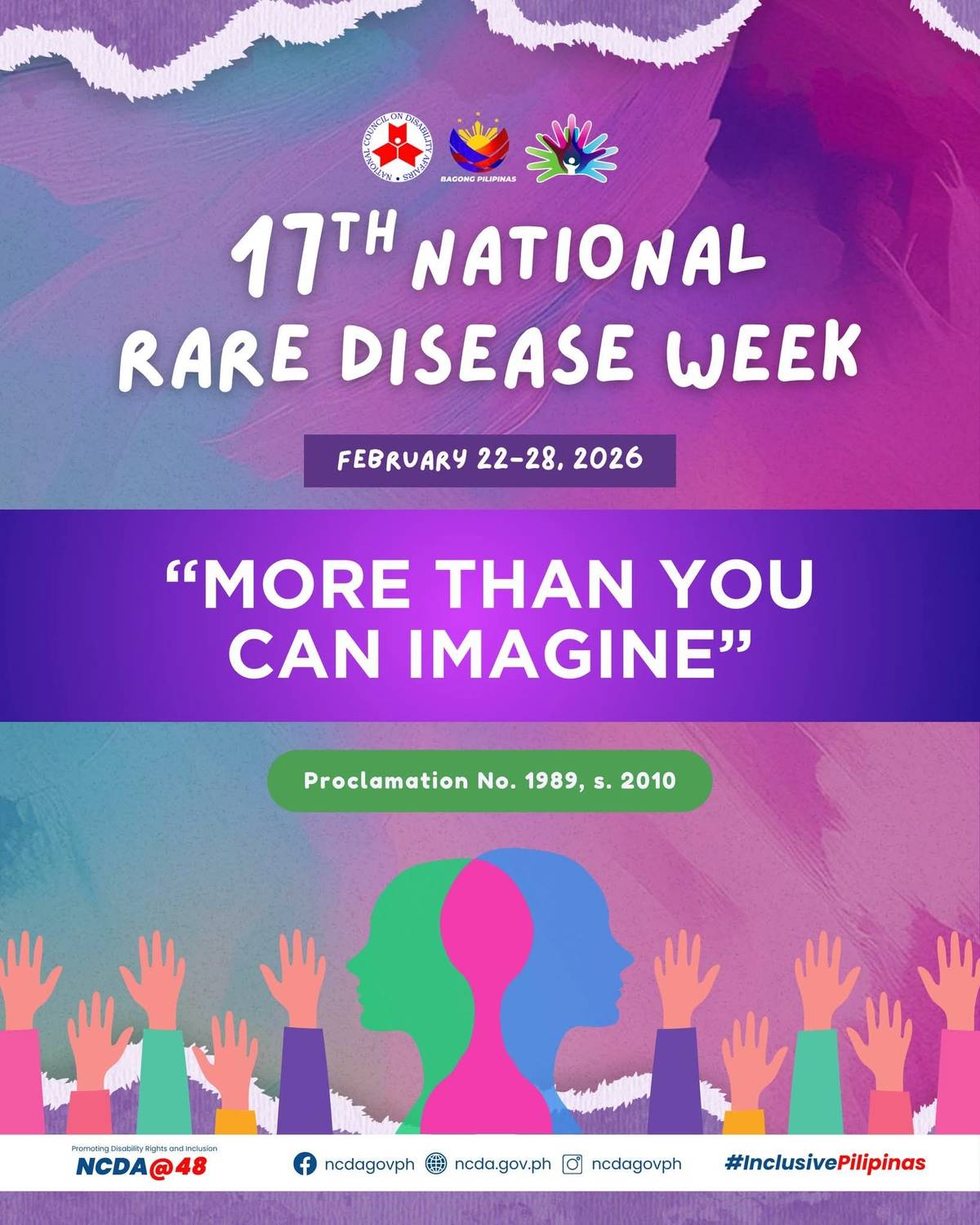
One in 20,000 individuals or fewer in the Philippines is diagnosed with a rare disease.
Photo courtesy of National Council on Disability Affairs.
Rare diseases in the Philippines are defined as conditions affecting one in every 20,000 individuals or fewer, pending final classification by the Department of Health technical working group. Globally, more than 7,000 rare diseases have been identified, most of which are genetic, chronic, and progressive.
Dr. Melanie Alcausin of the National Institutes of Health emphasized structural gaps in care delivery. While many rare disorders can be detected through newborn screening, the Philippines had recorded 159 rare conditions as of 2022, yet still lacks a National Rare Diseases Registry. Rare disease care continues to depend on a combination of public and private funding, with donations remaining critical to research efforts.
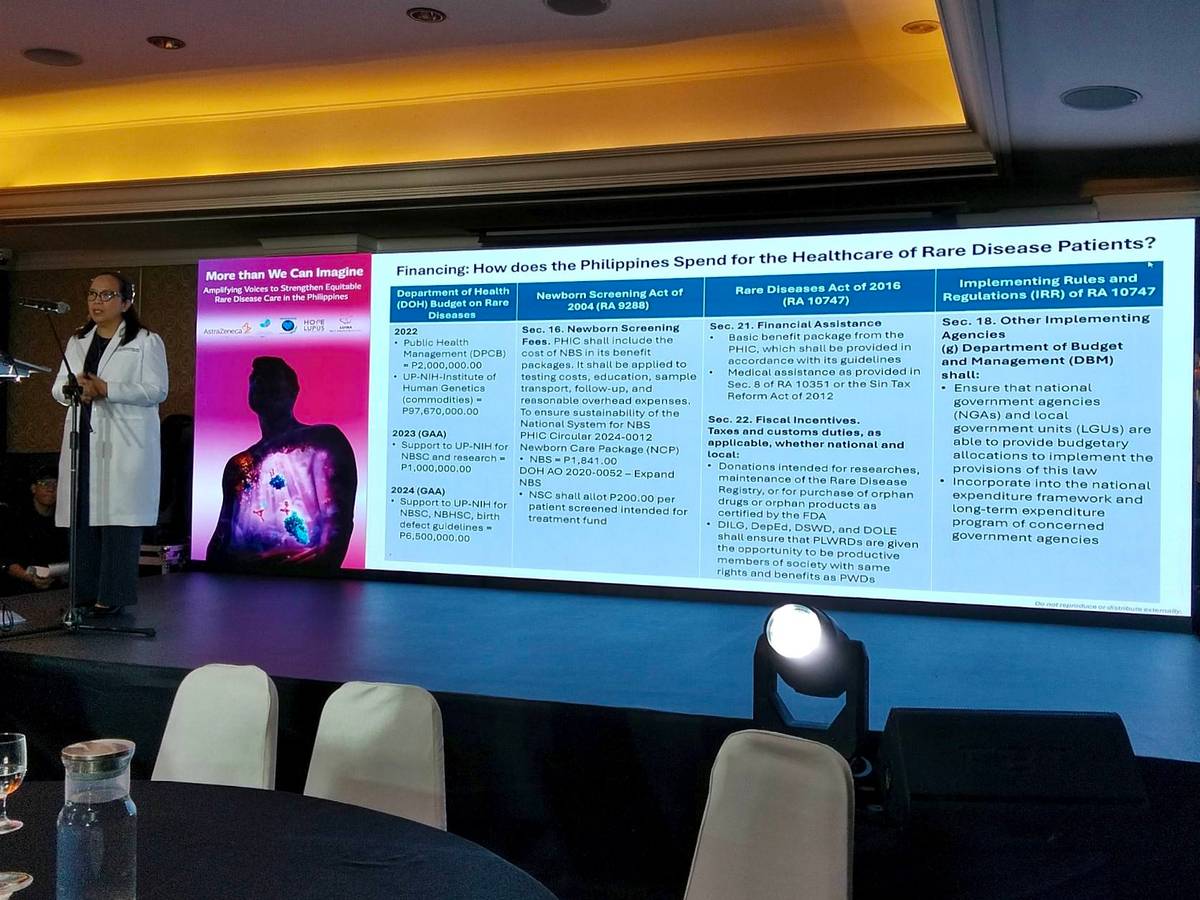
Dr. Melanie Alcausin from National Institutes of Health discussed the challenges of rare disease healthcare in the Philippines.
Photo by Amelia Clarissa de Luna Monasterial / Daily Tribune images.
PhilHealth currently provides Z Benefits packages for only 10 of the 159 recorded rare conditions. These include:
Maple Syrup Urine Disease
Methylmalonic Acidemia
Galactosemia
Phenylketonuria,
Gaucher’s Disease,
Pompe’s Disease,
Fabry’s Disease,
Hunter syndrome.
Morquio syndrome, and
Osteogenesis Imperfecta.
Despite limited coverage, all rare disease patients are recognized as persons with disability under Republic Act No. 10747, or the Rare Disease Act of 2016, granting them eligibility for disability-related benefits and protections.
Speakers included Dr. Loudella Calotes-Castillo of the Philippine Neurological Association Rare Disease Interest Group, Dr. Alcausin, and Dr. Cyril Tolosa, Medical Director of AstraZeneca Philippines. Representatives from advocacy groups, including the Philippine Society for Orphan Disorders, NF Friends, and Hope for Lupus Foundation, contributed clinical and patient-centered perspectives.
Patient testimonies added a human dimension to the science-driven forum. A lupus patient recounted years of uncertainty marked by severe weight loss, hair loss, persistent fatigue, and joint pain before receiving a correct diagnosis. The patient described how misinterpretation of symptoms initially led to an incorrect cancer diagnosis and an unnecessary surgical procedure, with the proper lupus diagnosis coming only after three to four years.
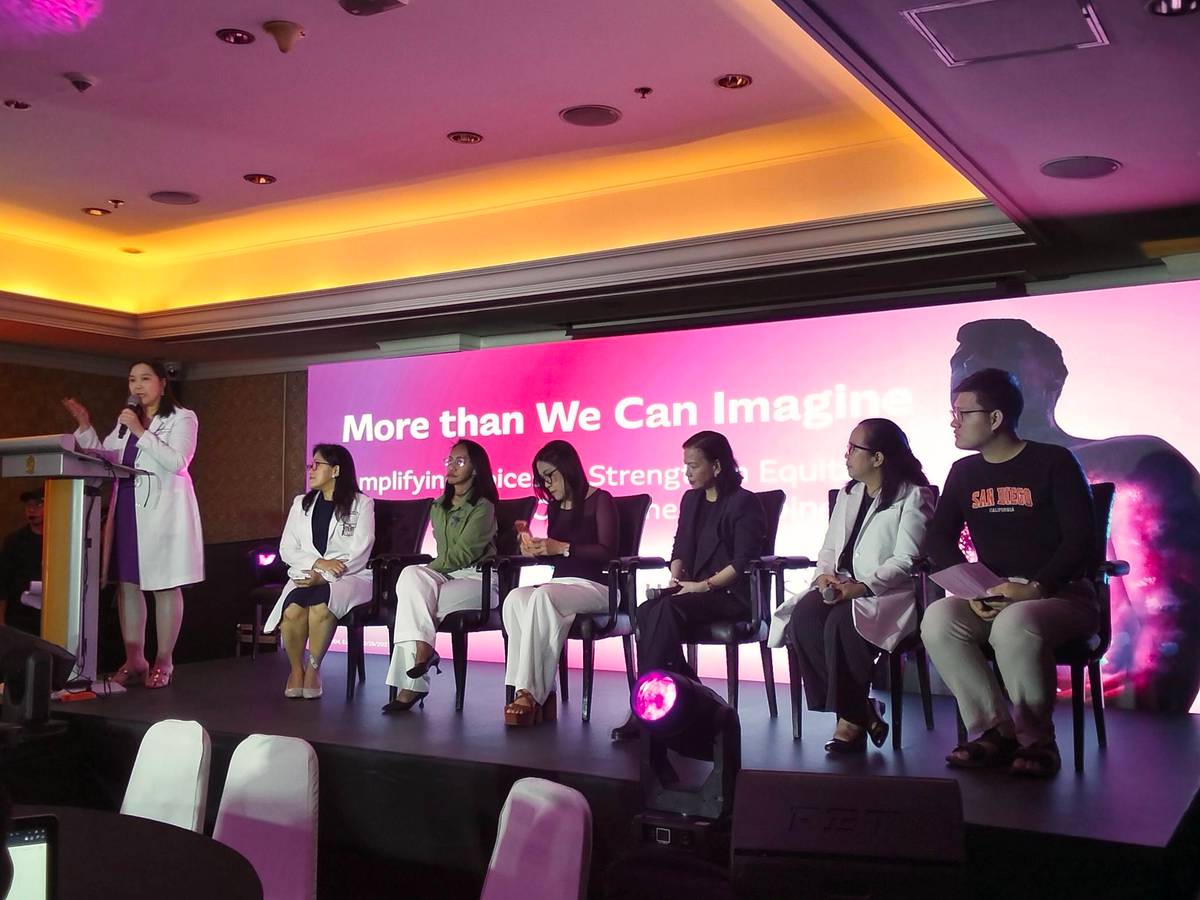
Medical experts, patient advocates, healthcare leaders, and industry partners shared their insights and experiences in battling rare disease either as health workers or patient warriors.
Photo by Amelia Clarissa de Luna Monasterial / Daily Tribune images.
Although Systemic Lupus Erythematosus is not classified as a rare disease in the Philippines, medical and advocacy representatives highlighted its growing public health implications. The condition affects an estimated 30 to 50 per 100,000 Filipinos, predominantly women aged 20 to 40, and is frequently associated with delayed diagnosis and serious complications, including kidney involvement.
A patient living with Neurofibromatosis type 1 shared concerns about social stigma linked to the disorder’s visible manifestations. The condition, which commonly appears in childhood, is characterized by features such as café au lait spots and tumor growth. The patient described fears of social exclusion driven by misconceptions that the condition is contagious, underscoring the psychological burden alongside physical symptoms.
Advocates stressed the importance of stronger support systems for patients and families, noting that emotional, medical, and financial assistance remain uneven. Participants also emphasized the role of digital platforms and patient networks in connecting individuals with similar conditions, reducing isolation, and improving access to information.
Panelists called for improved implementation of Republic Act No. 10747, expanded funding for rare disease programs, better data systems, and sustained public awareness initiatives. The session concluded with participants pinning ribbons of commitment on a zebra symbol, representing the need to “think rare" and to be vigilant in diagnosis and care.

Panelists pin their ribbons of commitment on a zebra cutout, the symbol of rare disease awareness.
Photo by Amelia Clarissa de Luna Monasterial / Daily Tribune images.