
Remembering EDSA through Philippine cinema


The People Power Revolution of 1986 was more than a historical event—it motivated generations of filmmakers to reflect on tyranny, resistance, and the enduring struggle for freedom. From Martial Law-era narratives to post-EDSA social critiques, Philippine cinema has chronicled the nation’s journey with power, violence, and hope.
Here’s a look at notable films and documentaries, arranged from oldest to newest, that capture the spirit of EDSA and its aftermath.
Batch ’81 (1982)
Mike De Leon’s Batch ’81 is a masterclass in metaphorical storytelling. Set within the intense world of fraternity initiation, the film mirrors the power dynamics of Martial Law, exploring authoritarianism, submission, and rebellion through family, school, and fraternal bonds.
People Power: An Eyewitness History (1986)
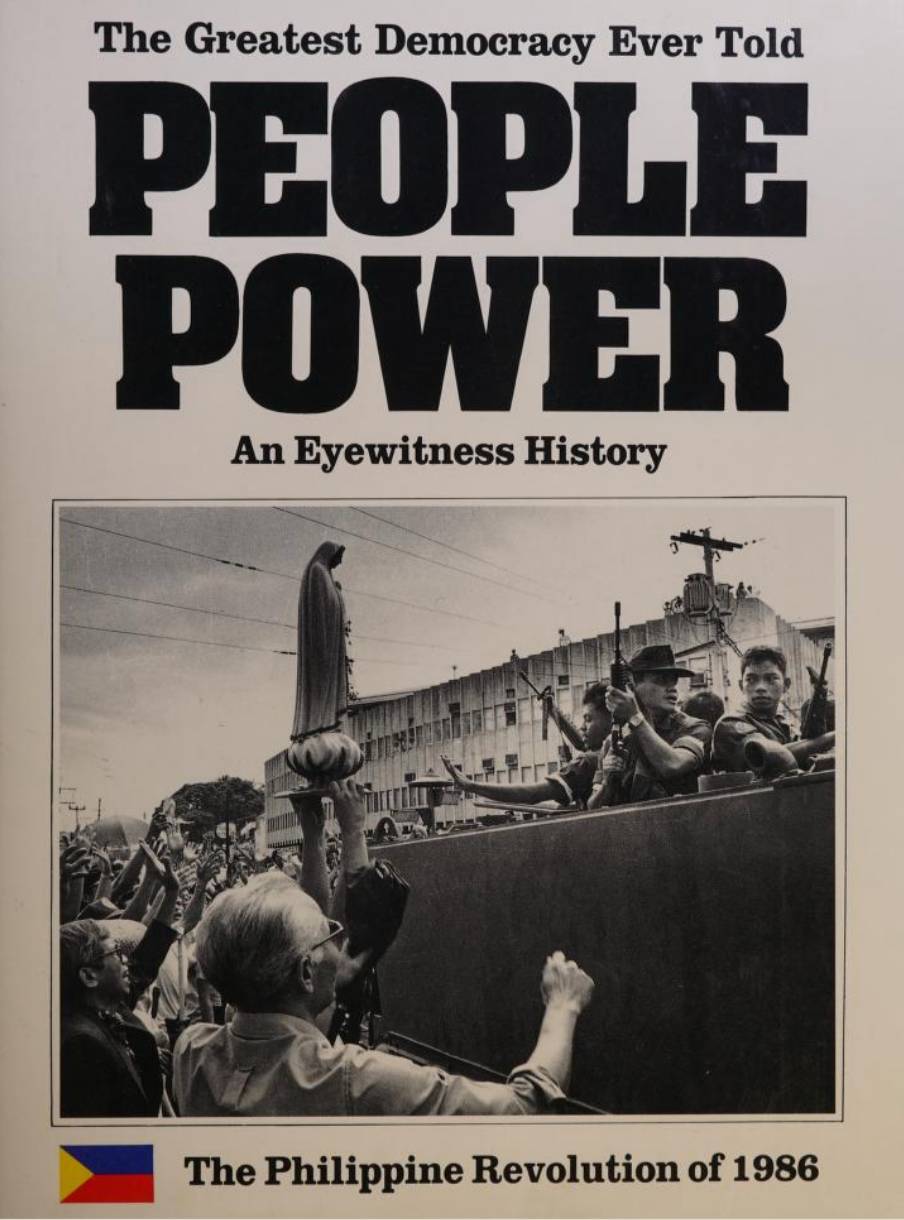
This documentary compiles firsthand accounts from participants in the revolution, offering an intimate perspective of the courage, unity, and resilience that fueled EDSA. It’s a crucial historical document preserving the memories of ordinary citizens and key figures alike.
Coup d’Etat: The Philippines Revolt (1986)
Peter Couchman’s television movie documents the four-day uprising that toppled Ferdinand Marcos. By blending archival footage with firsthand narratives, it provides a detailed account of the events leading up to the revolution.
Marcos: A Malignant Spirit (1986)
Rolly Reyes’ documentary exposes the systematic corruption and economic mismanagement under Marcos, presenting rare archival footage and recordings that reveal the greed and excesses that fueled public outrage.
Orapronobis (1989)
Lino Brocka’s Orapronobis follows a cult led by Kumander Kontra in the town of Dolores. It critiques not only Marcos-era human rights abuses but also the failures of the Aquino administration, reflecting the ongoing struggle for justice after EDSA.
EDSA: The World Remembers (1995)
This international documentary features reflections from world leaders on the February 1986 uprising, placing the revolution in a global context and highlighting its significance as a model of nonviolent resistance.
Batas Militar (1997)
Produced by the Eggie Apostol Foundation, this television documentary covers Martial Law and the Marcos ouster, dramatizing human rights violations, economic collapse, and the lives of opposition leaders including Ninoy Aquino, Jovito Salonga, and Satur Ocampo.
Curacha: Ang Babaeng Walang Pahinga (1998)
Chito S. Roño’s film explores post-EDSA political unrest through the story of a live sex performer caught in a world where life, death, power, and corruption collide. It captures the chaotic transition of the nation during Aquino’s presidency.
EDSA 2000 (2000)
Historian Xiao Chua calls this one of the best People Power documentaries ever. The film compiles perspectives from journalists, citizens, and anthropologists, offering a concise yet rich reflection on EDSA’s enduring legacy.
Dekada ’70 (2002)
Adapted from Lualhati Bautista’s novel, this film chronicles Amanda Bartolome, a middle-class mother guiding her family through Martial Law. It remains a touchstone for feminist perspectives on resistance, courage, and moral awakening.
Barber’s Tales (2013)
Jun Lana’s film follows Marilou (Eugene Domingo) as she assumes her late husband’s role as town barber, exploring small-town life and resilience during Marcos-era Philippines.
Anino sa Likod ng Buwan (2015)
Lana returns with a minimalist post-EDSA story. Set years after the dictatorship, it examines how authoritarian tendencies persist, questioning why rebellion continues when the supposed enemy is gone.
Portraits of Mosquito Press (2015)
JL Burgos’ documentary highlights journalists who fought censorship and oppression during Martial Law, celebrating the courage of the press in defending democracy.
Respeto (2017)
Treb Monteras II’s film narrates extrajudicial killings under Duterte through an aspiring rapper’s eyes. Poetry and music visualize generational cycles of violence, linking Martial Law to contemporary abuses.
ML (2018)
Eddie Garcia delivers a haunting performance as a demented military veteran, reflecting on the impunity and brutality of Martial Law, and the elusive quest for justice.
Liway (2018)
Kip Oebanda’s film depicts a child raised in a Marcos-era prison camp, portraying indoctrination, fear, and survival under oppressive regimes.
Imelda & Ferdinand: Exile in Hawaii (2019)
This documentary follows the Marcos family during their exile, showcasing their attempts to retain influence and privilege abroad while the Filipino people struggled at home.
Two Nuns of EDSA
A documentary examining the crucial role of religious women in supporting and sustaining the revolution, highlighting faith-based activism in the streets of EDSA.
Laban
Marking the 30th anniversary of the ouster of Marcos, Laban compiles personal accounts from key figures, reflecting on the revolution’s impact and lessons for succeeding generations.
From student struggles to feminist awakenings, street protests to poetic resistance, these films and documentaries chronicle the enduring legacy of Martial Law and the People Power Revolution. They remind us that freedom is never final—it must be remembered, defended, and reimagined by every generation.