
Whatever it takes


Political reformists believe the anti-dynasty bill, while imperfect, should be passed in the current legislative session and reconfigured later, since this is the first time in so many decades that the chance for such a law has been greatest.
The law will end the stranglehold of powerful families on local and national politics.
At the moment, Nosy Tarsee noticed, dynasties dominate all elective posts, a pattern that has persisted for generations. While some clans produce capable leaders, many do not.
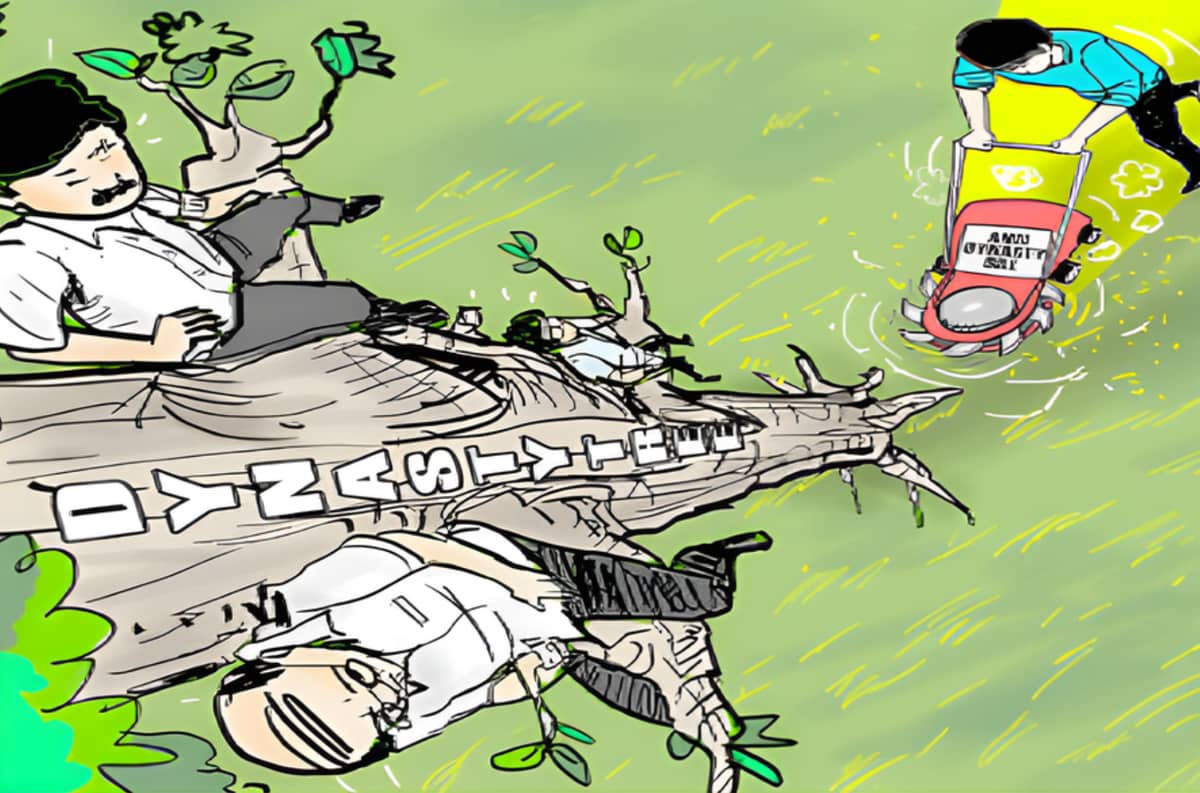
Public office has become a chattel for controlling local resources, permits and contracts, and dominant clans exert quiet influence over businesses that need government access to survive.
Competition during elections is removed. Challengers are not simply “out-campaigned;” they are out-funded, out-networked, and outlasted by a formidable machine built over decades.
Elections are expensive. Traditional dynasties usually have donors, logistics, and alliances already locked in. In places where there is less economic activity, people become dependent on dynasties not because they are blind, but because the alternatives feel risky.
Behind all that is a brutal reality that the right to choose better candidates becomes slim, sometimes almost impossible. The system stops being a contest of ideas and becomes a contest of inheritance.
That is exactly why an anti-dynasty law has been taboo in Congress for almost 40 years.
Everyone knows what the Constitution says about political dynasties needing an enabling law. Yet Congress — where many members belong to dynasties — has repeatedly failed to deliver that enabling law.
So when an anti-dynasty bill starts moving as an official priority, it seems unthinkable, so it is up to the current Congress to grab the chance of a lifetime, particularly with the Anti-Political Dynasty Law the main priority on the recent Legislative Executive Development Advisory Council (LEDAC) agenda for passage by June 2026.
If a true anti-dynasty law becomes enforceable, its impact is expected to change the local political dynamics by widening the field. It will force families to compete through performance instead of succession. It will also address corruption at its root.
Dynastic dominance often sustains itself not just through popularity, but through control: who gets contracts, who gets permits, who gets protection, who gets access.
Governance must stop being a hereditary business.