
Wearing Filipino culture thru Terno


THE brand has attracted international clients or expatriates in the UAE. Babylyn Buchan, (above, left) with Filipino artisan Sammy.
Photograph courtesy of TERNO by TCG
From a personal longing to wear something proudly Filipino in a foreign land, Terno by TCG was born.
Terno by TCG (The Cultured Group) is an online boutique introduced in November 2022. It specializes in authentic, handcrafted Filipiniana clothing, including ternos, barong tagalog and kimona. Based in Dubai, United Arab Emirates (UAE) and catering to the Middle East and beyond markets, the brand promotes sustainable, artisan-made Filipino heritage wear, offering both purchases and rentals.

A MODEL wears a reversible poncho of Terno by TCG which are co-created with artisans and weavers from Abra, Ilocos, South Cotabato, Ifugao and the Tinguian tribe.
Photograph courtesy of TERNO by TCG
In an interview on DAILY TRIBUNE’s digital show Usapang OFW, Terno by TCG owner Babylyn Buchan shared how nearly two decades of working abroad inspired her to build a brand that brings Philippine national attire closer to overseas Filipinos.
Buchan has been based in Dubai for 18 years. As an overseas Filipino worker (OFW), she regularly attended formal events where her husband would proudly wear his traditional attire. She began to feel the desire to do the same.
“I feel like I also want to wear our own national attire,” she recalled, noting how wearing something distinctly Filipino brings a sense of pride and identity.
That simple but powerful realization led to the formal launching of Terno by TCG in January 2023. Together with her business partner, Buchan saw the need to make Filipino national clothing more accessible to Filipinos working and living in the Middle East.
“We wanted to give access to Filipinos here to our national clothing,” she said.

Photograph courtesy of TERNO by TCG
Co-creation of artisans
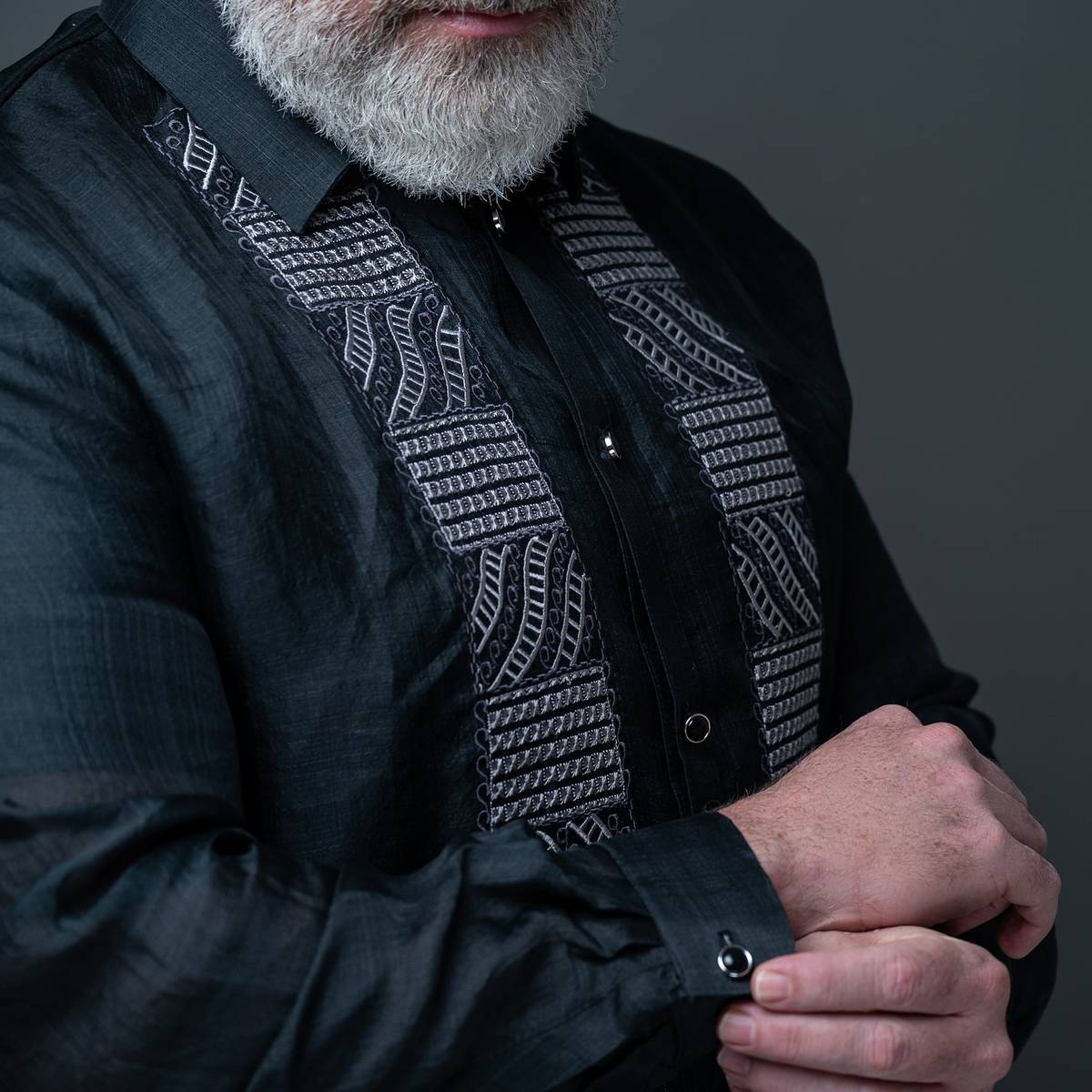
Terno by TCG operates on a co-creation model. Rather than designing pieces alone, Buchan works closely with independent artisans across the Philippines. Many of them are mothers who work from home, preserving traditional craftsmanship while earning a livelihood.
Their barong and Filipiniana pieces come from Lumban, Laguna, known as the embroidery capital of the Philippines. They also collaborate with weavers from Abra and Ilocos for inabel fabrics, artisans from South Cotabato for t’nalak bags, and indigenous communities in Ifugao and the Tinguian tribe for woven and embroidered pieces.
“We co-create,” Buchan explained. Artisans develop the fabrics and traditional designs, while her team refines the tailoring — adjusting cuts, linings and silhouettes to ensure comfort and suitability for modern wear.
“It’s not only wearable but comfortable,” she emphasized.
Photograph courtesy of TERNO by TCG
Ready-to-wear
The brand primarily offers ready-to-wear pieces, addressing a common need among OFWs who require attire that can be tried on and worn immediately. While custom orders are accepted — especially for weddings — the core concept remains accessible, off-the-rack national clothing.
Sizing is also tailored to their market. Recognizing that Philippine size tends to be smaller, Terno by TCG follows international size standards to better serve customers in Dubai and the wider Middle East. Alterations are available when needed.
While the majority of customers are Filipinos living and working abroad, Buchan shared that the brand has also attracted international clients. British nationals and other expatriates purchase pieces for weddings and formal events. International schools in the UAE also reach out during “International Day” celebrations, when students are assigned to wear traditional attire from different countries — including the Philippines.
Affordable vibe of culture
In terms of pricing, Buchan described their products as competitive. Pieces range from 160 to 600 dirhams — roughly P2,500 to P10,000 — depending on the fabric, whether it’s piña, jusi, or inabel. Despite shipping costs from the Philippines to the UAE, she said the prices remain comparable to local Philippine rates, minus the high international shipping fees customers would otherwise shoulder.
To make purchases more accessible, Terno by TCG also offers installment options, recognizing that many OFWs juggle family remittances and other financial obligations.
Currently operating primarily as an online shop with a showroom in Dubai, Buchan said expansion within the Middle East is a priority. Collaborations with emerging designers are in the pipeline, with hopes of further strengthening ties between modern creatives and traditional artisans.
For Buchan, the mission remains clear: To encourage more Filipinos abroad to wear their national clothing with pride — no matter where they are in the world.