
On Pointe and on purpose
‘An audience will keep the arts alive’

IN every precise line and unwavering gaze, Lisa Macuja-Elizalde proves that true greatness is not only danced — it is built, sustained and generously passed on.
Photograph courtesy of Ballet Manila
For four decades, Lisa Macuja-Elizalde has lived by a discipline few can sustain and a passion few can rival. A world-renowned Filipina prima ballerina, educator and artistic director of Ballet Manila, she has built a life not only on pointe shoes and principal roles, but on a singular mission: To bring ballet to the people — and more people to ballet.
When she speaks of destiny, it is without drama. In 1986, at the height of her early international career, Macuja-Elizalde was a member of the Kirov Ballet in Leningrad. She had been offered a contract by Sadler’s Wells Royal Ballet in London — an opportunity many dancers spend a lifetime chasing. But visa complications halted the move. Rather than remain in limbo abroad, she came home.

IN every precise line and unwavering gaze, Lisa Macuja-Elizalde proves that true greatness is not only danced — it is built, sustained and generously passed on.
Photograph courtesy of Ballet Manila
What might have seemed like a detour became a defining turn. After a homecoming concert in Manila, she was invited by the Cultural Center of the Philippines to become its first Artist-in-Residence — part of a program encouraging Filipino artists trained abroad to return and share their craft. Two years turned into seven as principal dancer of Philippine Ballet Theatre. In 1995, she founded Ballet Manila. She married radio executive and painter Fred Elizalde. She built a family. And she began crafting something more enduring than a solo career: An institution.
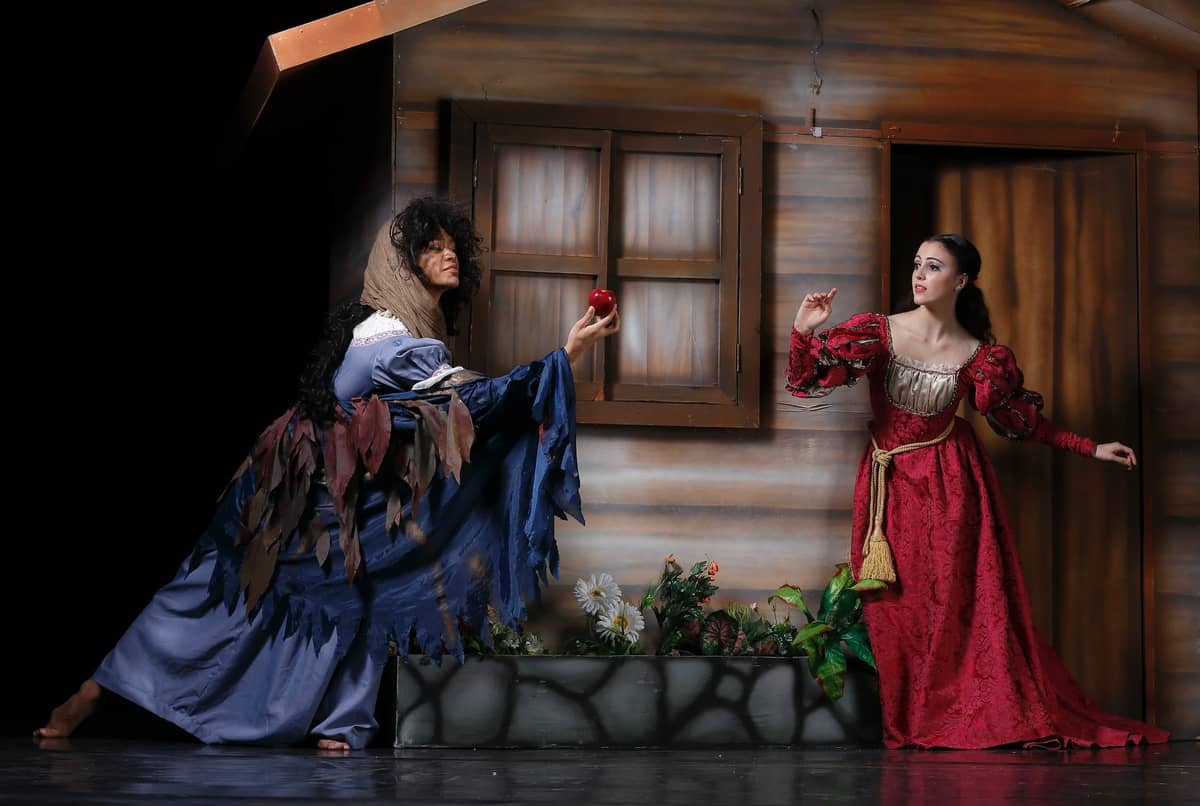
‘SNOW White,’ where innocence becomes courage and kindness becomes quiet strength.
Photograph courtesy of Ballet Manila
A Filipino talent on the global stage
Macuja-Elizalde would go on to become the first Philippine-based international guest artist, performing with companies across Russia, the United States, Singapore, and New Zealand while remaining rooted in Manila. The arrangement, she now believes, may have extended her performing life. Without the rigidity of a permanent foreign contract, she danced on her own terms — retiring at 52 after a remarkable 32-year career, far longer than the typical 15 to 20 years for most professionals.
Her farewell was not abrupt. As head of her own company, she designed a three-year “Swan Song Series,” reprising her most beloved classical roles in a deliberate, graceful goodbye. “I had my day in the sun,” she says. There is no regret in her voice — only gratitude.
But if her dancing years were formidable, her second act may be just as consequential. For the past eight years, she has focused on mentoring, choreographing, and directing through Ballet Manila and the Lisa Macuja School of Ballet. Her guiding principle was shaped during her training years in Russia, where ballet was not an elite indulgence but a living, breathing part of culture. Families attended performances together. Audiences adored ballerinas the way Filipinos revere film stars.
She wanted that accessibility at home.
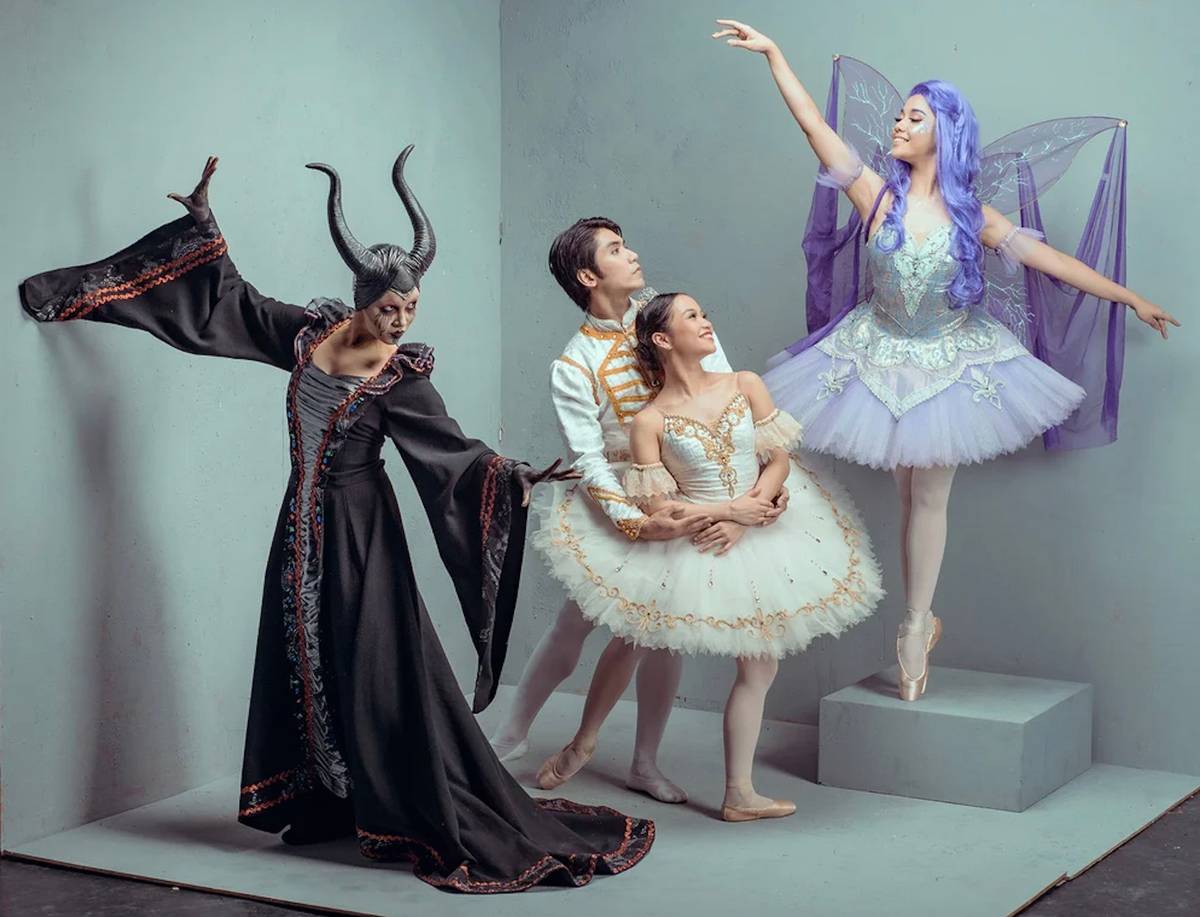
TIME itself bows to hope in ‘Sleeping Beauty.’
Photograph courtesy of Ballet Manila
Lifeblood of the arts
When she was a teenager performing at Luneta Park, audiences would scream at the mere sight of a leg extension. In the 1950s, ballet had even been deemed indecent and briefly banned from television. Today, the Philippines boasts four professional ballet companies and numerous schools. Ballet appreciation is part of many academic curricula. “We’ve come a long way,” she reflects. Still, she is candid about the challenges. Ballet is expensive. A single pair of pointe shoes can cost between P5,000 and P8,000 — and may not survive a single performance. Training begins at eight or nine. Mastery requires years of daily discipline. Retirement comes early.
Which is why audience development remains her advocacy. In a culture where complimentary tickets are common, she champions the paying audience as the lifeblood of the arts. “An audience will keep the arts alive,” she insists.
That philosophy fuels her willingness to experiment. This season, Ballet Manila collaborates with Filipino rock band The Dawn in The Dawn of Ballet, part of the long-running Ballet and Ballads series conceived by her husband nearly three decades ago. The fusion aims to spark curiosity — drawing rock fans into theaters and inviting classical loyalists to see ballet anew. It is followed by contemporary Filipino works and the grandeur of Sleeping Beauty, performed with the Manila Symphony Orchestra. The same 40 dancers will execute it all, shifting seamlessly from classical to contemporary, from neoclassical to Filipino narratives.
Versatility, she says, rests on foundation. And foundation rests on discipline.
Her lessons for young dancers are practical and universal: decide early; seek the best mentors; work hard — but smart; protect the body; show up consistently. “Your body is your instrument,” she reminds them. Beyond technique, she urges exposure — to museums, travel, opera, theater, ideas. A complete dancer, she believes, must first be a complete human being.
At home, art is ambient. Her daughter, once a professional dancer, is now a California-licensed lawyer and digital creator. Her son is pursuing advanced studies in archaeology. They grew up backstage, surrounded by rehearsals and canvases. They chose different paths, but with the same discipline.
For Macuja-Elizalde, that may be the quiet triumph: not merely extending her own career, but embedding ballet into the country’s cultural bloodstream — step by disciplined step.